
Last updated November 25, 2026
 Sweep & inspection
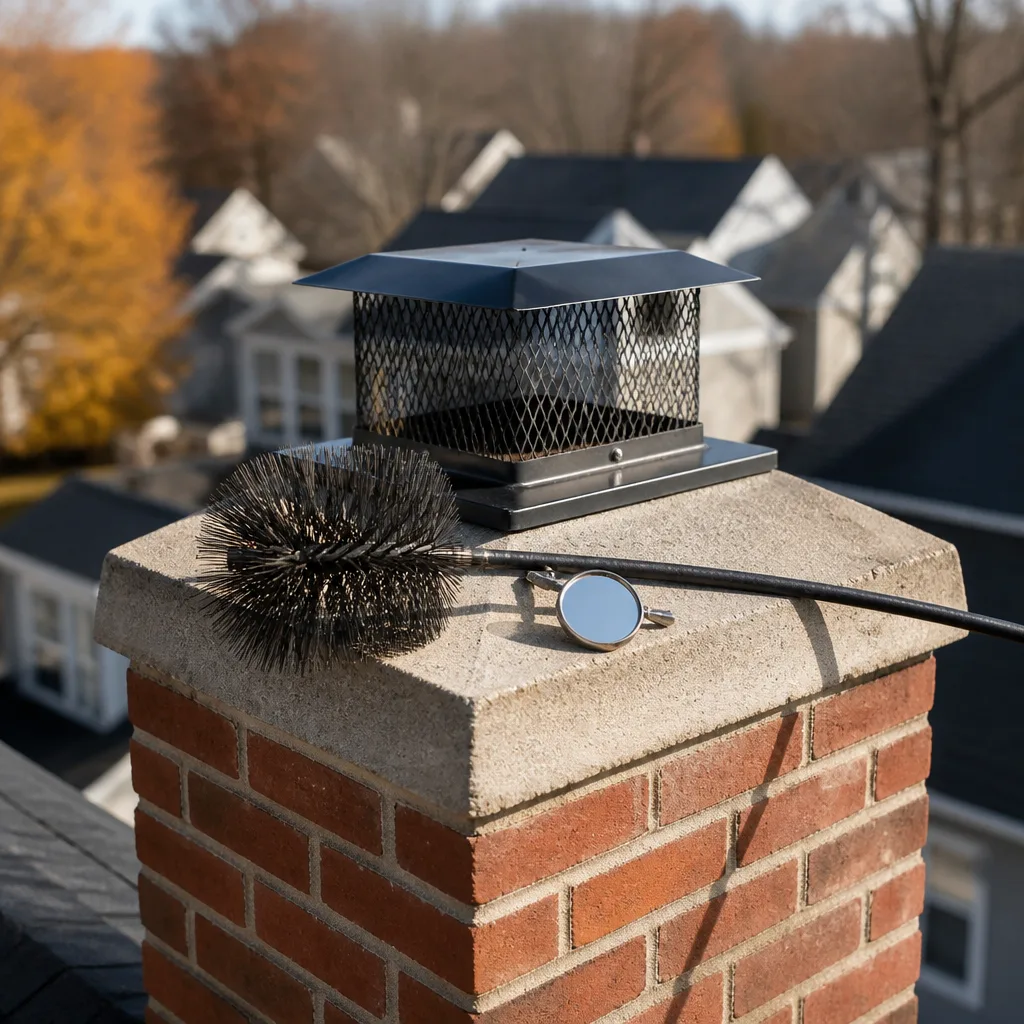
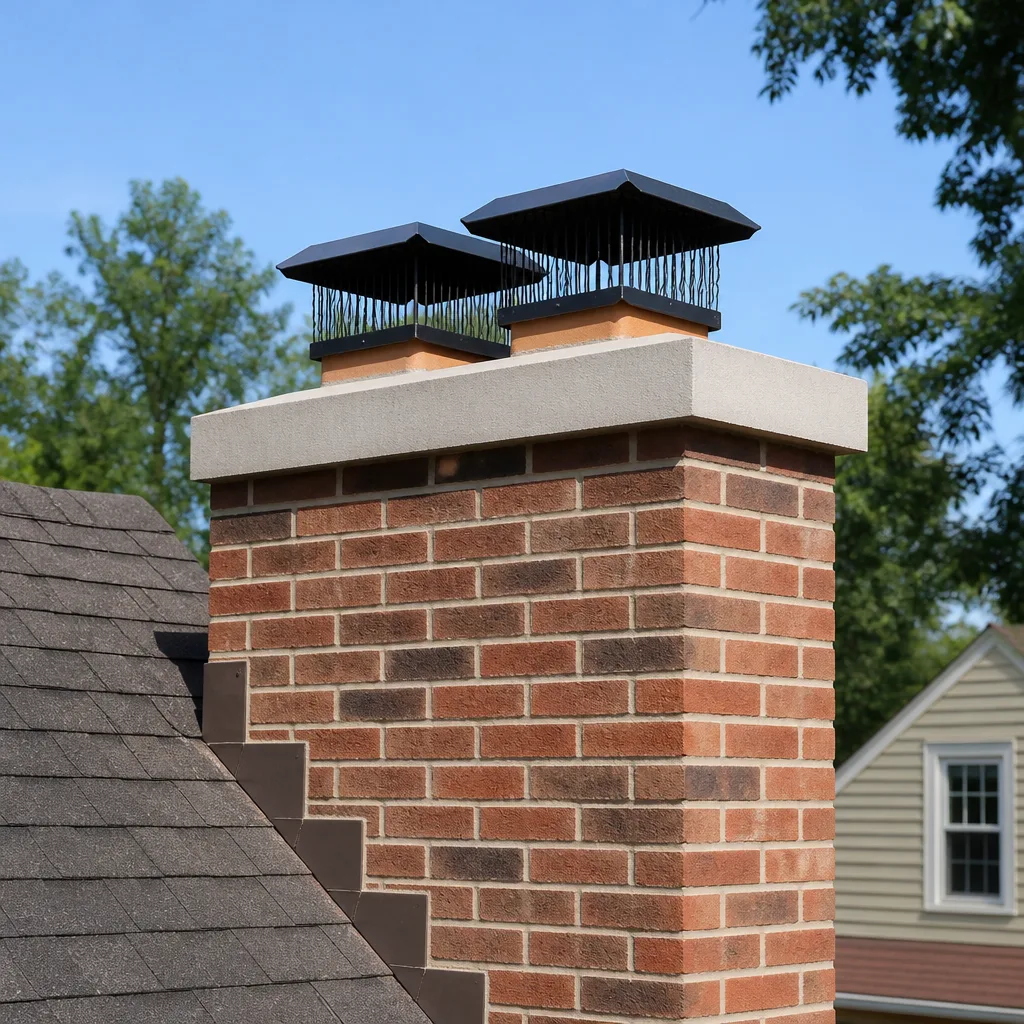 Caps & crowns
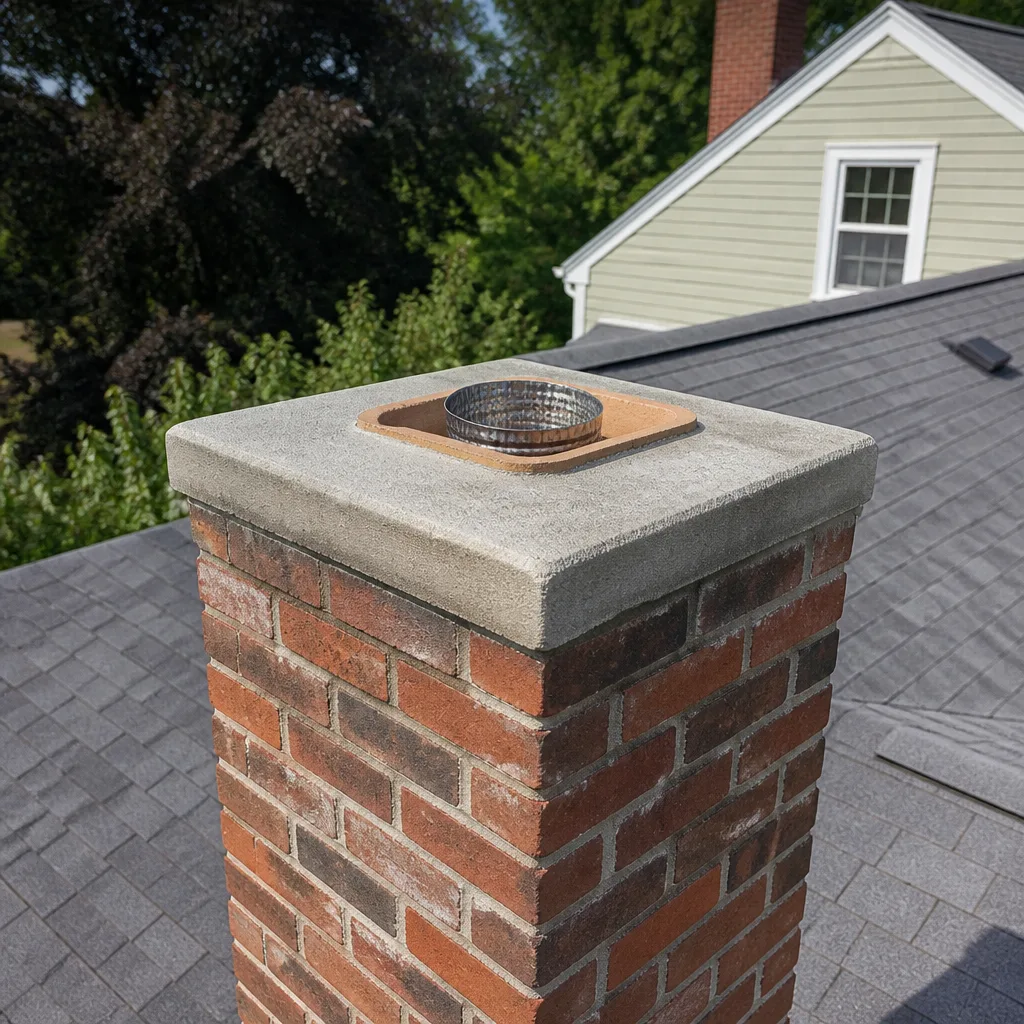 Flue relining
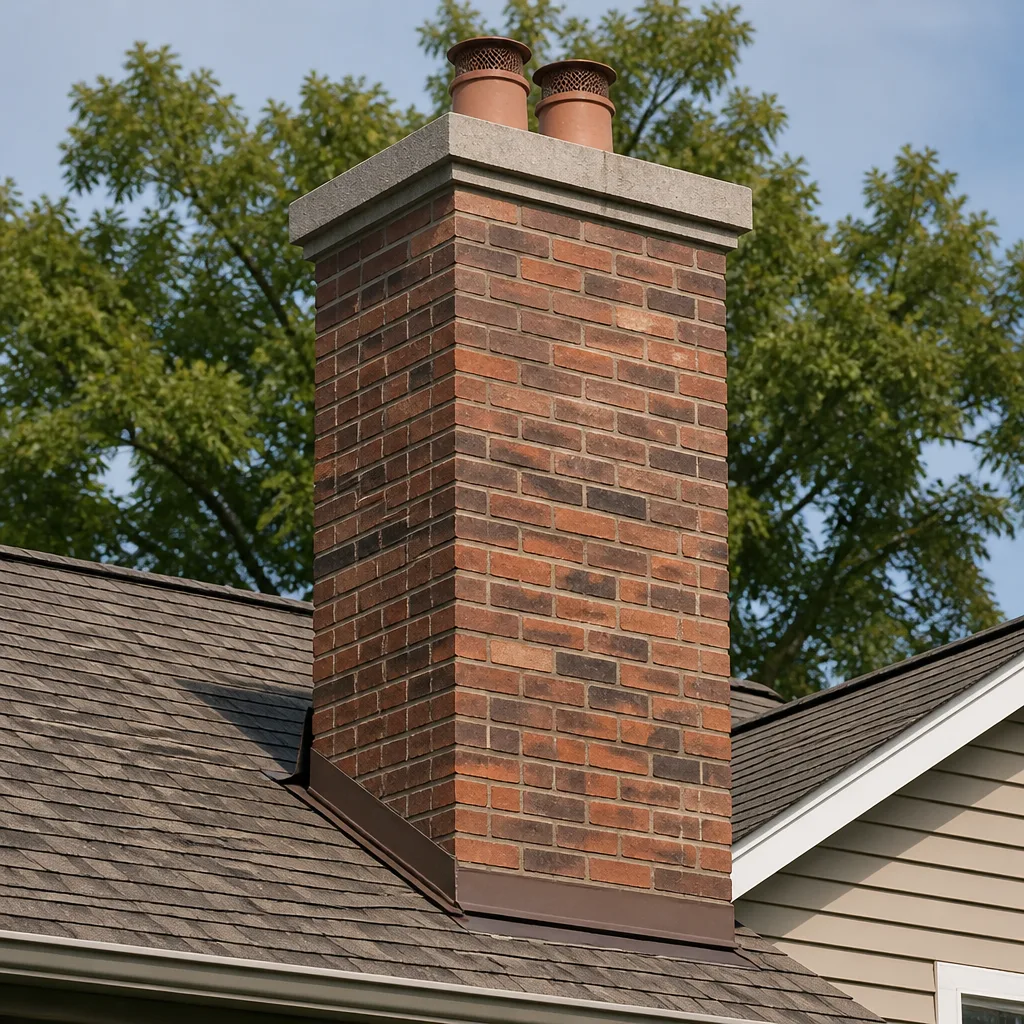 Masonry repair
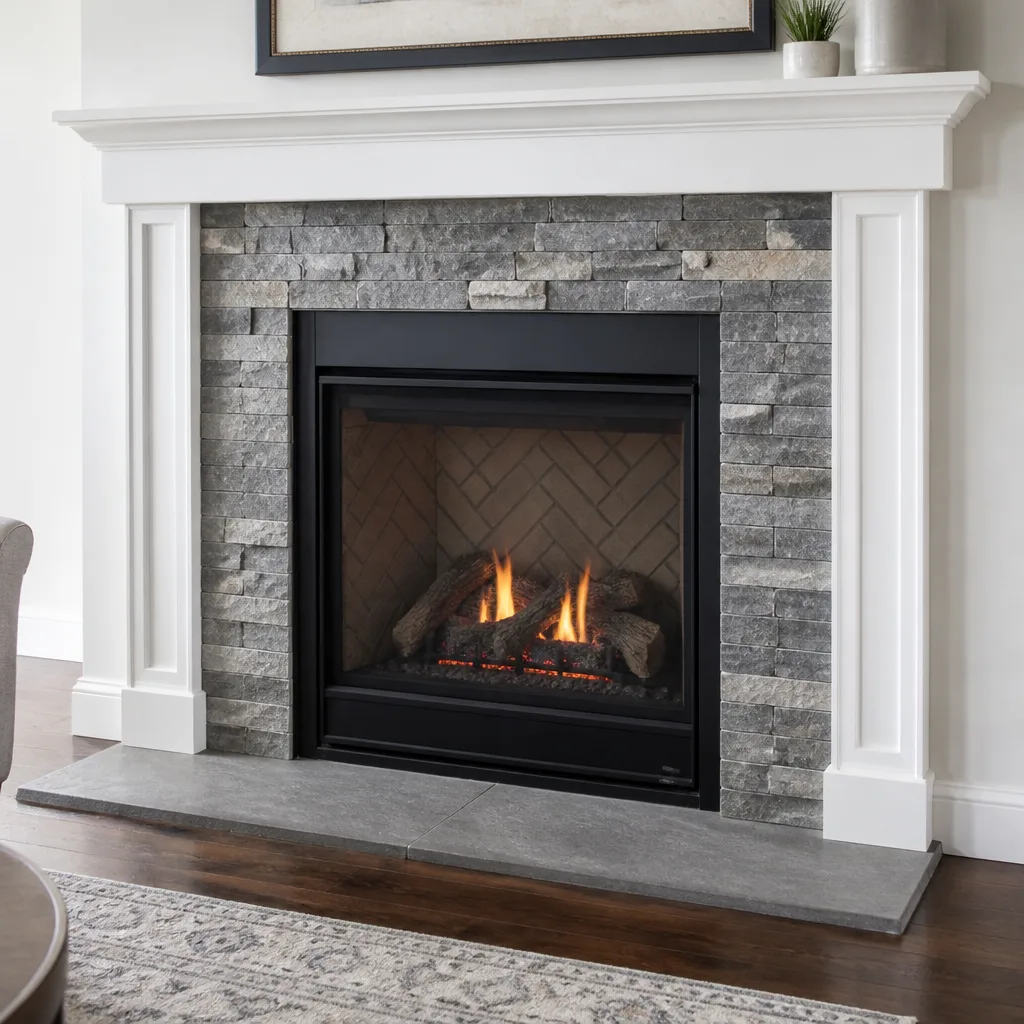 Gas fireplace service
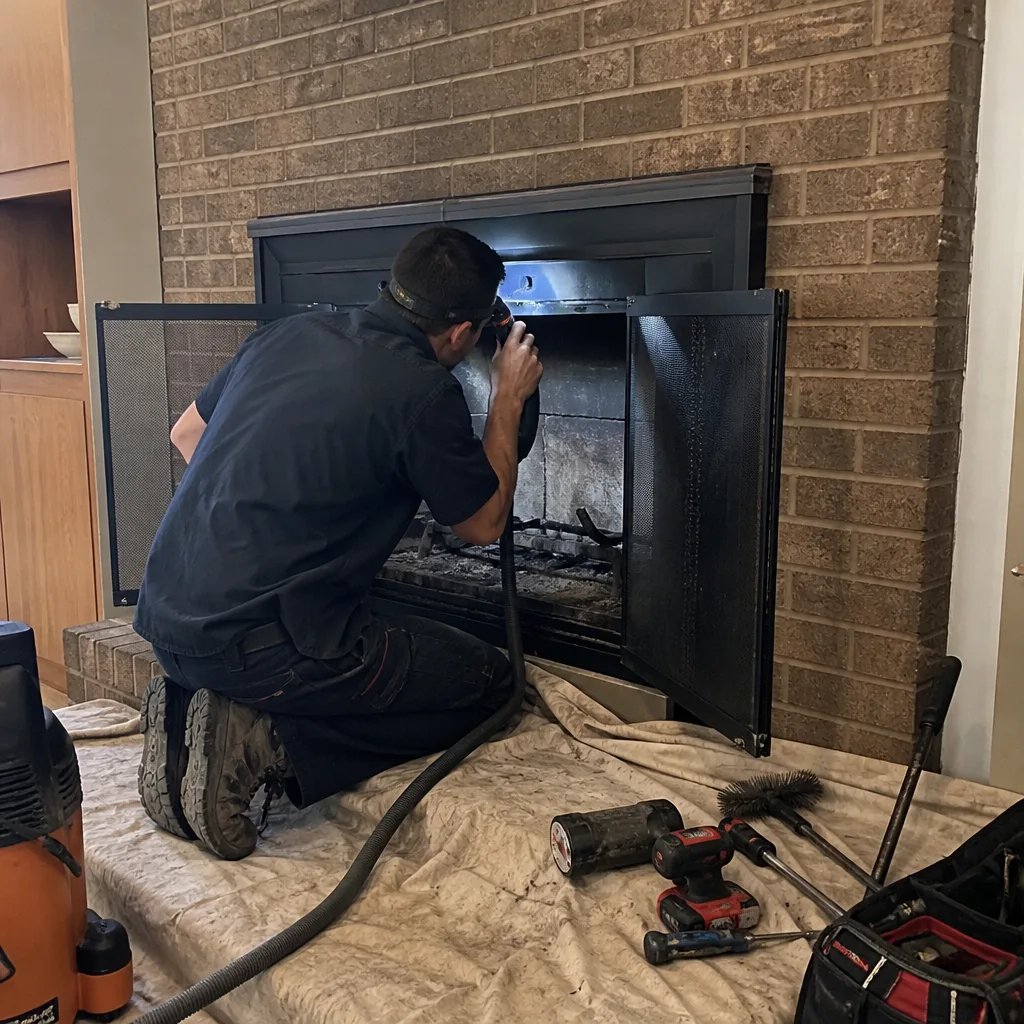
Level 1 sweep and inspection to the NFPA 211 annual standard - flue, crown, cap, and flashing checked and photographed
Chimney sweep logs do not sweep chimneys. They loosen some creosote - which then falls where a brush and vacuum still have to collect it.
How to Hire a Chimney Cleaning Contractor in West Valley City: A Step-by-Step Guide
Any handyman with a $40 brush set from a home improvement store can call themselves a chimney sweep. There is no universal licensing requirement in Utah for this trade, which means the credential check falls entirely on you. That’s the part most homeowners miss until they’ve already paid someone who swept the flue, handed over a verbal “looks fine,” and left without ever setting foot on the roof or running a camera up the chimney. This guide gives you the exact questions to ask, the credentials that actually mean something, the red flags in a quote, and the phone-call script that separates a true specialist from a brush-and-go operator. You’ll leave knowing how to hire a chimney cleaning contractor in West Valley City with confidence instead of guesswork.
Quick Answer
To hire a chimney cleaning contractor in West Valley City, verify trade credentials (CSIA Certified Chimney Sweep and NFI certification), confirm which inspection level is included, ask whether they use a camera and provide a written report, and get a flat price agreed before booking. A qualified contractor cleans, inspects, and documents what they find – and can repair the same system rather than handing you off to someone else. Price is set by a written estimate, not a phone quote.
Styles & brands we work with
- Sweep & inspection
- Caps & crowns
- Flue relining
- Masonry repair
- Gas fireplace service
Table of Contents
- Why Credentials Matter More Than a Business License
- What CSIA and NFI Certification Actually Certify
- The Five Questions to Ask Before Booking
- Why a Written Inspection Report Is Non-Negotiable
- Cleaners vs. Diagnosticians: How to Tell Them Apart on a Phone Call
- Warning Signs in a Quote
- What West Valley City Conditions Do to Chimneys
- Choosing a Contractor Who Covers the Whole System
Why Credentials Matter More Than a Business License
Utah does not require a statewide license to sweep a chimney. That surprises most homeowners in West Valley City, and it’s the single biggest reason this guide exists. A business license from the city tells you someone registered a company name and paid a fee. It tells you nothing about whether they know a cracked flue tile from a normal one, whether they understand NFPA 211 clearances, or whether they’ve ever looked inside a chimney with a camera in their life.
That vacuum is exactly why third-party trade credentials carry so much weight here. They’re voluntary. Nobody hands them out at city hall. A contractor earns them by demonstrating knowledge and, in most cases, keeping that knowledge current. When a sweep tells you they’re CSIA certified, they’re telling you they chose to be tested against an industry standard rather than simply buying a brush and a ladder.
Here’s the practical test: ask for the credential and ask what it covers. A real specialist answers without flinching. A brush-and-go operator changes the subject or says something vague like “we’ve been doing this a long time.” Time on the job can be real and still not mean the person ever learned to inspect properly. Our technicians have up to 14 years of experience, and even so, the credentials are what we point to first – because they’re verifiable and experience isn’t always.
For West Valley City homeowners, that distinction matters more than it might in a state that licenses the trade. You are the enforcement mechanism. The credential check is yours to run, and it takes about thirty seconds once you know what to ask for.
What CSIA and NFI Certification Actually Certify
Two credentials come up again and again in this trade, and they mean different things. Knowing the difference keeps you from being snowed by a logo on a website.
CSIA Certified Chimney Sweep
The Chimney Safety Institute of America (CSIA) runs a certification program specifically for chimney sweeps. Earning it means passing an exam on sweeping practice, chimney construction, venting, codes, and safety, and maintaining the credential through ongoing education. What it does not certify: that the person owns a camera, that they can do structural repair, or that they’ll show up on time. It certifies trade knowledge and a commitment to a standard of practice. That’s a meaningful floor, not a ceiling.
NFI Certification
The National Fireplace Institute (NFI) certifies specialists in venting and installation for specific fuel types – wood, gas, and pellet appliances. NFI credentialing tells you the person understands how the appliance connects to the venting system and why that relationship matters for safe combustion. A sweep who understands both the flue and the appliance behind it is better equipped to spot a problem than someone who only knows how to run a brush.
Neither credential is a license, and neither is legally required in West Valley City. But together they answer the question you actually care about: has this person been tested on the systems they’re about to work on? If the answer is yes, the rest of the vetting gets easier. If a contractor claims certification but can’t name the body that issued it, treat that as no credential at all.
The Five Questions to Ask Before Booking
You can screen a chimney contractor in one phone call. These five questions do the work, and each one has a right answer you can listen for.
- What inspection level is included with the sweep? A Level 1 inspection covers readily accessible portions of the chimney and is appropriate for a chimney under ongoing use with no changes. A Level 2 inspection adds a camera scan of the flue interior and is the standard to expect when a home changes hands, an appliance changes, or there’s been a chimney fire or an event. If the contractor can’t name the level, they’re not inspecting – they’re cleaning.
- Do you use a camera? A camera scan is the only way to see the flue interior above the smoke chamber. If the answer is no, you’re buying a cleaning with no diagnostic layer attached. That’s how a hairline crack gets missed for years.
- What materials do you stock for same-day repairs? Caps, crowns, and liner components get replaced, not just cleaned. A specialist carries or can source professional-grade products – DuraFlex flexible liner, HeatShield resurfacing compound, Gelco and Famco caps and crowns – rather than improvising with hardware-store parts.
- Can you provide written findings? Photos and a written summary should be standard, not an upsell. If findings only exist in the technician’s memory, you have nothing to hand an insurer or a future buyer.
- Is the price flat and agreed before you arrive? The written estimate should set the final number. If the sweep wants to quote after the work is done, you’ve lost control of the price.
Ask those five in order and you’ll have a clear read on the contractor before they ever pull into your driveway in West Valley City.
Why a Written Inspection Report Is Non-Negotiable
A verbal “your chimney’s in good shape” is worth exactly nothing the moment you need to prove it. A written inspection report with photos is what carries weight later, and there are two specific times it matters.
Insurance
If a chimney fire or a venting problem ever leads to a claim, your insurer will ask for documentation of maintenance and inspection. A dated written report shows the chimney’s condition was assessed and what was found. A verbal summary disappears the moment the technician drives away. Some insurers also ask for proof of a recent inspection before issuing or renewing coverage on a home with a solid-fuel appliance, and a written report is the document that answers that request.
Resale
When you sell a home in West Valley City, a buyer’s inspector will look at the chimney and flag anything questionable. A written report from a Level 2 inspection gives you a documented baseline – and if something was repaired, it shows the work was done and when. That file becomes part of your home’s maintenance record and can head off a negotiation surprise at the worst possible time.
The report itself doesn’t need to be elaborate. What it needs: the date, the inspection level performed, what was checked, what was found, photos of anything flagged, and a clear statement of what needs attention now versus what can safely wait. That last part is what separates a report from a sales pitch.
Cleaners vs. Diagnosticians: How to Tell Them Apart on a Phone Call
Both kinds of contractor will tell you they sweep chimneys. Only one of them will tell you what’s actually going on inside yours. The phone call reveals which one you’re talking to, usually within a minute.
What a cleaner sounds like
- Quotes a flat rate immediately, before asking anything about your chimney
- Can’t name an inspection level
- Has no camera and doesn’t mention one
- Says “we just sweep it and let you know if there’s a problem”
- Hands you a verbal summary and leaves
What a diagnostician sounds like
- Asks about your appliance first – wood fireplace, gas insert, pellet stove
- Explains what a Level 1 and Level 2 inspection each cover
- Talks about camera scans as part of the job
- Mentions written findings and photos
- Can describe what a repair would involve and which products they’d use – HeatShield resurfacing, a DuraFlex liner, a Gelco or Famco cap
The difference isn’t marketing. A cleaner’s job ends when the brush comes out. A diagnostician’s job is to tell you what the brush can’t show you. In our experience, the homeowners who get burned twice – once on a cleaning that missed the real issue, and again on the repair it should have caught – booked the first kind without realizing there was a second kind to choose from.
Warning Signs in a Quote
A quote tells you how a contractor thinks about the job. Some patterns are worth walking away from, even when the number looks attractive.
Unusually low flat rates
A rate set well below what a real sweep, camera scan, and written report cost to perform usually means one of three things is missing: the inspection, the camera, or the report. Sometimes all three. The low number isn’t a bargain; it’s a sign the job was scoped smaller than it should be.
No mention of inspection level
If a contractor can’t tell you whether they’re performing a Level 1 or Level 2 inspection, they don’t have a defined process. That’s a red flag for how the rest of the work will go.
No camera equipment
A sweep without a camera cannot see the flue interior. Ask directly. If the answer involves a mirror and a flashlight, you’re looking at a partial picture.
Cash-only pricing
Cash-only removes your paper trail. You want a written estimate, a written report, and a receipt that documents what was done. A contractor unwilling to put any of that in writing is telling you something.
Pressure to reline before any evidence
The flip side of the cheap sweep is the expensive scare. If a contractor recommends a full liner replacement without showing you camera footage of a cracked or damaged flue, ask to see the evidence. HeatShield resurfacing can restore a structurally compromised tile flue without the cost of full relining – a specialist will explain which option fits and why, and back it up with the scan.
What West Valley City Conditions Do to Chimneys
West Valley City sits in a valley, and the winters here put a specific kind of stress on a chimney system. Colder nights mean more fire, longer burns, and more creosote accumulating over the season. The local air-quality picture also matters: on inversion days, wood smoke lingers in the valley and burning practices get more scrutiny, which is a good reason to make sure your chimney is venting cleanly and efficiently rather than just burning more.
The bigger structural threat is moisture and freeze-thaw. A masonry chimney absorbs water during storms, the water freezes overnight when temperatures drop, and that cycle works on the mortar joints, the crown, and the tiles over time. A cracked crown lets water in at the top, and water in a chimney damages more than fire ever does. That’s why a cap and a sound crown aren’t cosmetic – they’re the first line of defense, and a chimney cap & crown inspection belongs in any annual check.
Creosote is the other West Valley City variable. It builds up faster in a chimney that’s burning cool, smoky fires, and the glaze stage – where it hardens into a tar-like layer – is the stage that fuels a chimney fire. A sweep removes what’s built up. An inspection tells you how fast it’s building and whether your burning habits or a venting issue are the cause. Homes in neighborhoods like Hunter and Granger, where a lot of the housing stock is older, tend to show more of these slow-accumulation issues, which is all the more reason to get the flue looked at properly rather than just swept.
Choosing a Contractor Who Covers the Whole System
Here’s the problem with a single-service provider: they can only diagnose the thing they do. A sweep who only sweeps will find that the chimney needs sweeping. A cap installer will find that you need a cap. That’s not dishonesty so much as scope – their tool set shapes their view of the job.
A specialist with a full service menu sees the whole system at once. Sweeping, inspection, cap and crown work, fireplace repair, and structural chimney repair all fall to the same person or team, which means one diagnosis instead of three partial ones. When the camera scan finds a cracked tile, the specialist can tell you whether HeatShield resurfacing will restore it or whether a DuraFlex flexible liner is the right fit – and they can tell you without referring you to a subcontractor who never saw the scan.
That matters most when the answer is “this can wait.” A single-service contractor has less reason to tell you that. A specialist who handles the whole system can let evidence drive the recommendation, because there’s no pressure to turn today’s sweep into tomorrow’s repair. If you’re scheduling a routine cleaning, look at our chimney sweep West Valley City service and confirm what’s included before you book. A qualified contractor quotes in writing, performs a defined inspection level, uses a camera, and repairs the whole system when the scan calls for it. That’s the profile to hold out for in West Valley City.
Common Mistakes to Avoid
- Hiring before asking about inspection level. A sweep without a defined level is a cleaning with no diagnostic layer. In a valley with cold winters and heavy seasonal burning, you’ll want the camera report to catch slow-forming issues before they become structural.
- Accepting a verbal summary instead of a written report. You won’t have anything to show an insurer or a buyer later, and you lose your own maintenance record.
- Choosing on price alone. A rate well below the market usually means the inspection, the camera, or the report got cut. The cheapest sweep is often the one you pay for twice.
- Skipping the annual sweep because “it looked fine last time.” Creosote builds at different rates depending on fuel and burning practice. What was fine a year ago may not be after a season of long, slow fires.
- Paying cash with no paperwork. You want a written estimate and a receipt. Cash leaves you no way to prove what was done if you need to later.
- Accepting a reline recommendation without seeing the footage. If a full liner is being recommended, ask to see the camera scan of the damaged flue. HeatShield resurfacing may be an option, and a specialist should explain both.
- Assuming a business license equals a credential. Utah doesn’t require a statewide license for this trade. The CSIA and NFI credentials are the ones that signal testing and standard, and it’s on you to ask.
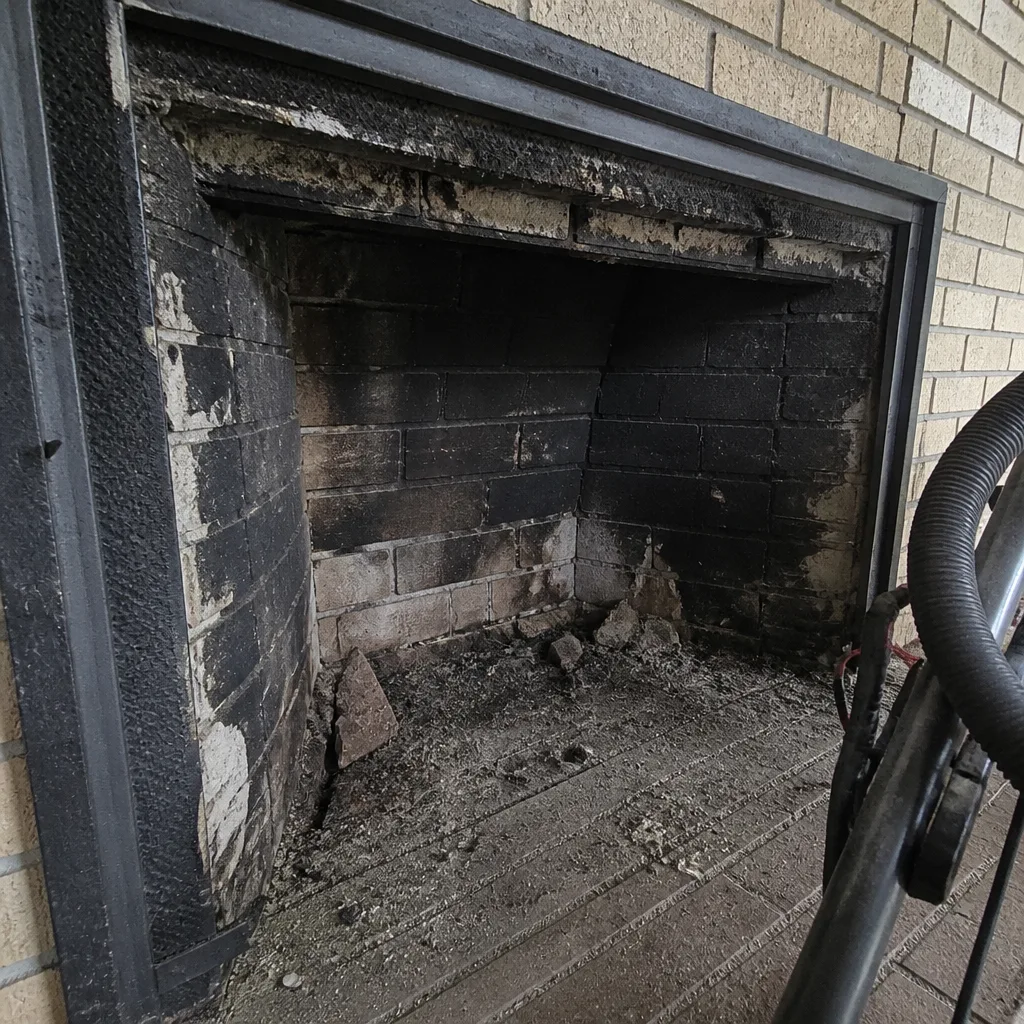
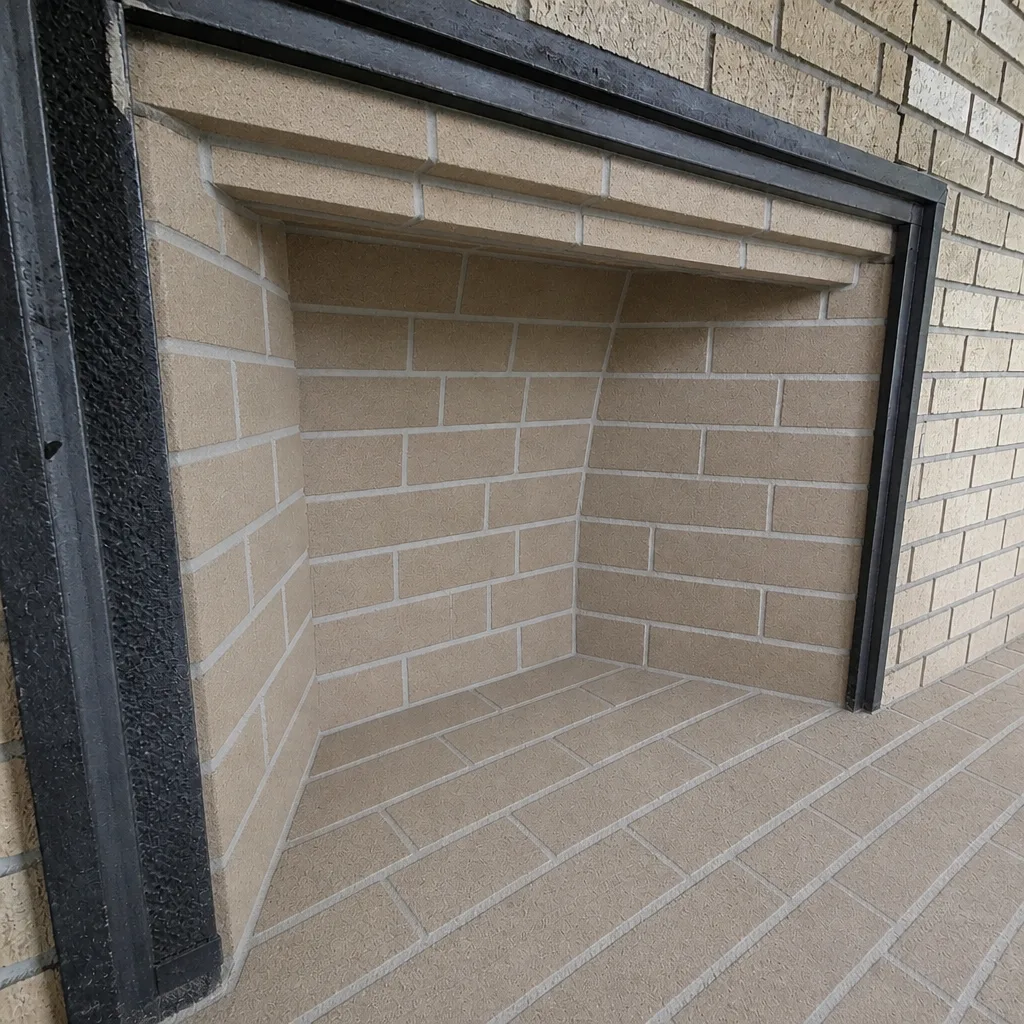
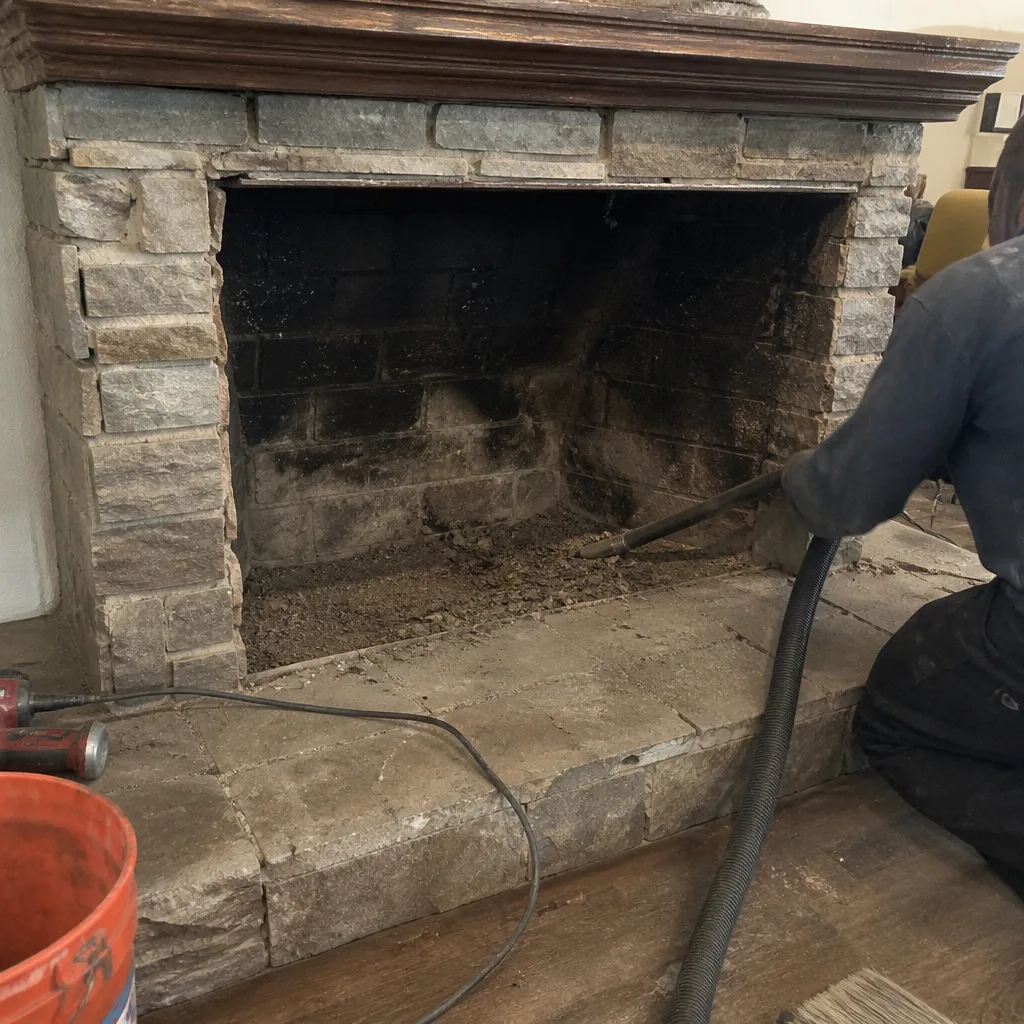
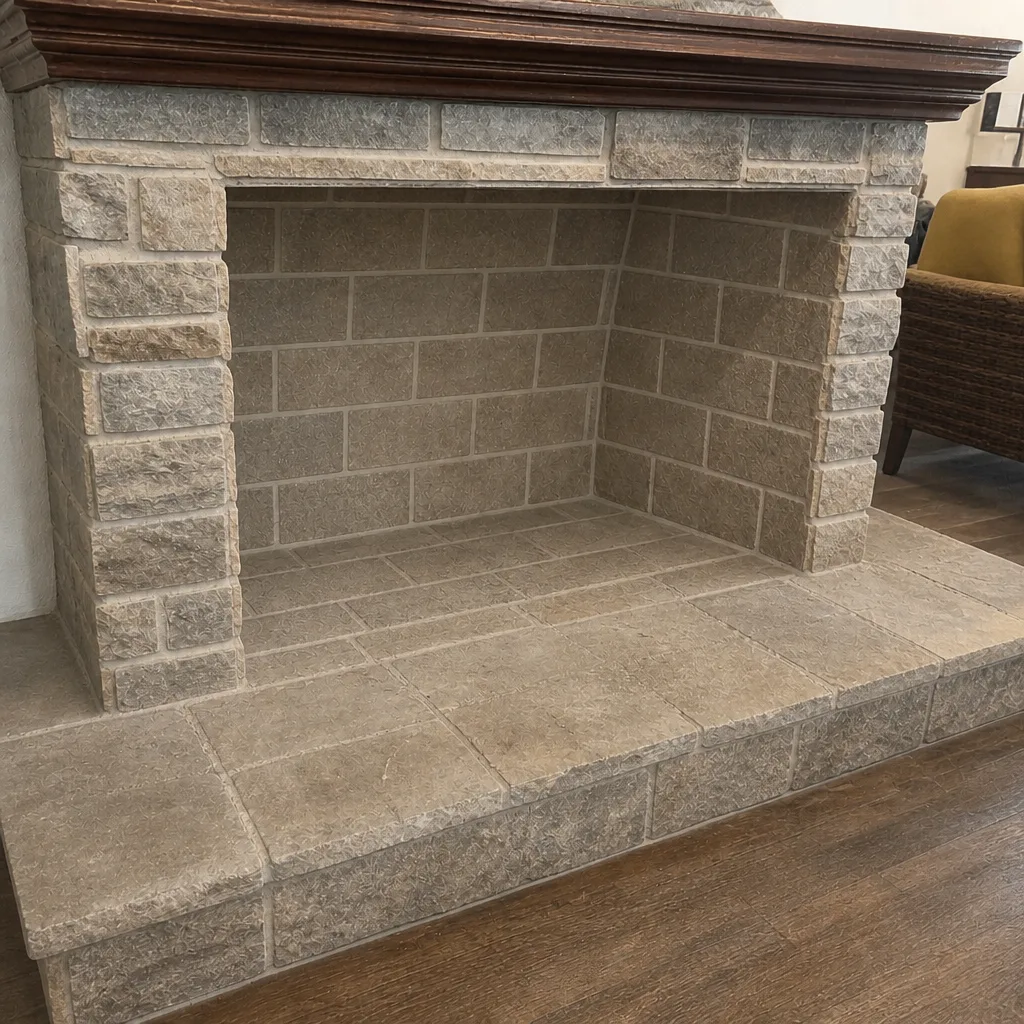
See the difference
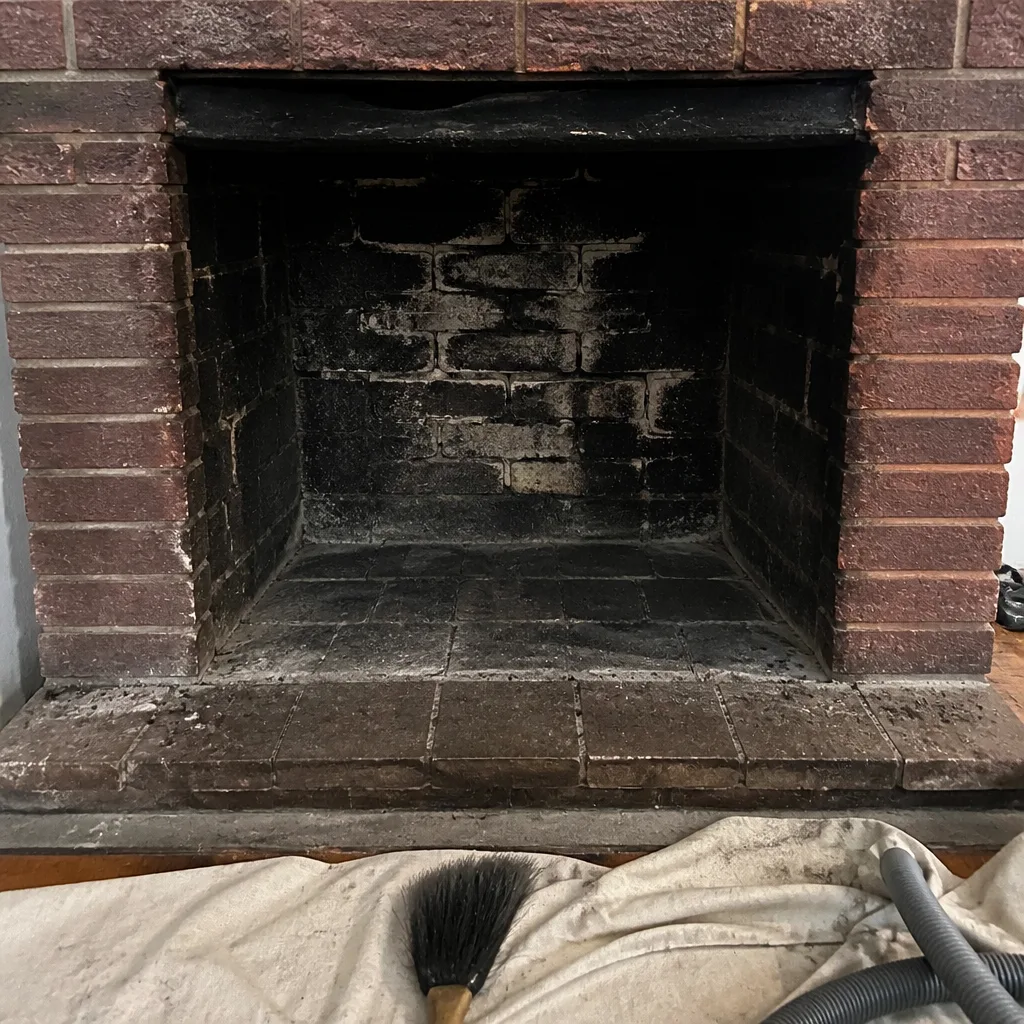 Before
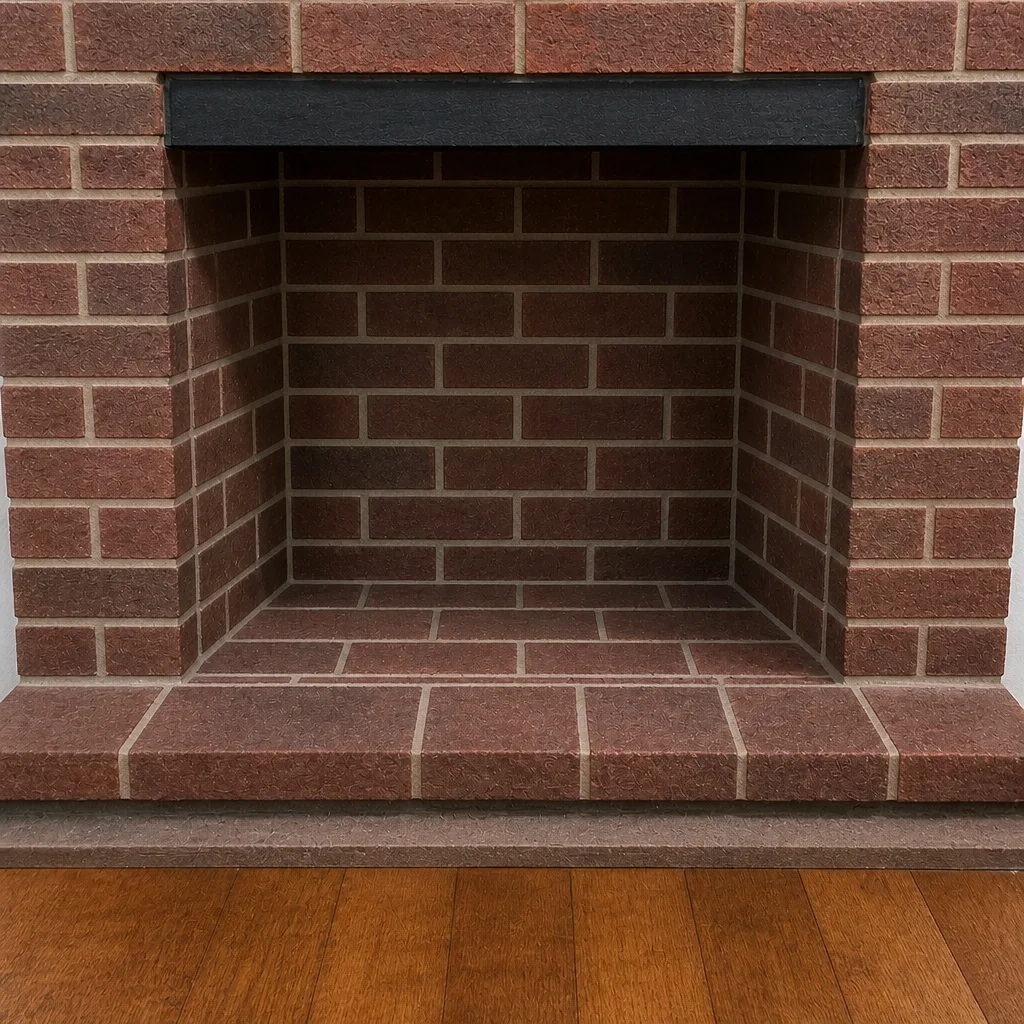 After
 Before
 After
 Before
 After
When to Call a Professional
Some chimney work is routine, and some of it tells you the system has a problem right now. Call a professional if you’ve burned through a full season without a sweep, if you notice creosote buildup you can see from the firebox, if there’s a strong smoke smell in the room when you burn, or if you’ve had a chimney fire even a small one. Call if the cap is missing, dented, or rusted to the point that water or animals can get in. Call if you’re buying or selling a home in West Valley City and need a Level 2 inspection and a written report. And call before you burn if it’s been years, or if you inherited a house with no chimney records at all.
Some of that work is genuinely urgent, and some of it can wait for an open slot. You’ll know which is which once you have the camera evidence in front of you. Chimney Sweep West Valley City offers free estimates in West Valley City – call (844) 625-7149 to schedule a sweep, an inspection, or a repair quote.
Frequently Asked Questions
A chimney sweep in West Valley City is priced per job, and the written estimate sets the final price. A standard sweep with a Level 1 inspection is the base job; a Level 2 inspection with a camera scan and written report costs more because it covers more. Call (844) 625-7149 for an exact quote – estimates are free.
Only if the camera scan shows the flue is compromised – a cracked or deteriorated tile, gaps at the joints, or damage that lets combustion gases escape. If the scan doesn’t show that, you don’t need a liner, and nobody should be recommending one without the footage to back it up. Call (844) 625-7149 for an exact quote on an inspection – estimates are free.
The general rule is once a year for a chimney in regular use, and sooner if you notice buildup or burn fuel that produces more creosote. A home that burns steadily through West Valley City winters may want a mid-season check. Call (844) 625-7149 for an exact quote – estimates are free.
Creosote accumulates in the flue, and enough of it can fuel a chimney fire. A blocked or partially blocked flue can also let carbon monoxide back into the home instead of venting it outside. Skipping a sweep doesn’t guarantee a fire, but it removes the check that would have told you the risk was building. Call (844) 625-7149 for an exact quote – estimates are free.
Look for a CSIA Certified Chimney Sweep credential and NFI certification, since Utah doesn’t require a statewide license for this trade. Ask what body issued each credential, and confirm the contractor performs a defined inspection level with a camera. Call (844) 625-7149 for an exact quote – estimates are free.
Yes. Nothing gets recommended without camera evidence you can see for yourself, in a written report with photos. Some findings can safely wait, and a specialist should say so plainly. Call (844) 625-7149 for an exact quote – estimates are free.
The Bottom Line
Hiring a chimney contractor in West Valley City comes down to vetting the credential, the inspection level, the camera, and the paperwork – not the price alone. A CSIA Certified Chimney Sweep with NFI certification, a defined inspection level, a camera scan, and a written report is the profile worth booking. Watch for unusually low rates, missing inspection language, no camera, and cash-only quotes, because each one points to a job that will be scoped smaller than it should be. A specialist who covers the whole system – sweep, chimney sweep, inspection, cap and crown, fireplace repair, liner, and structural repair – can diagnose honestly and tell you when work can wait. Ask the five questions, get the written estimate, and book with confidence.
Ready to Book With a Specialist?
Call (844) 625-7149 for a free estimate. We answer 24/7. Fast dispatch from 7am to 7pm, Sunday through Friday. You’ll get a flat price agreed before the sweep, a camera inspection, and a written report with photos – so you know exactly what your chimney needs and what can safely wait. If a cap, a crown, or a liner is on the list, we handle every layer of your chimney system in one call, using DuraFlex, HeatShield, Gelco, and Famco products rather than hardware-store substitutes.
Written by the team at Chimney Sweep West Valley City.