
Last updated November 25, 2026
 Sweep & inspection
 Caps & crowns
 Flue relining
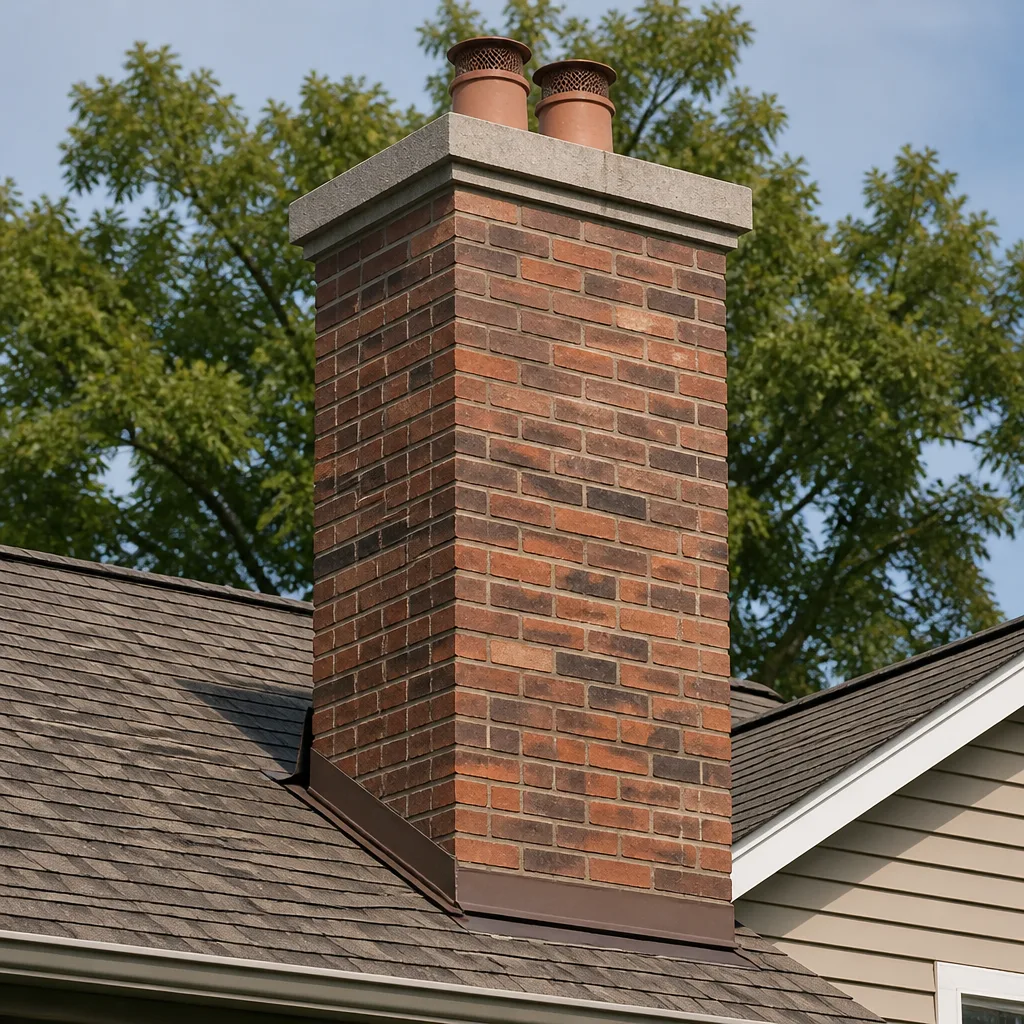 Masonry repair
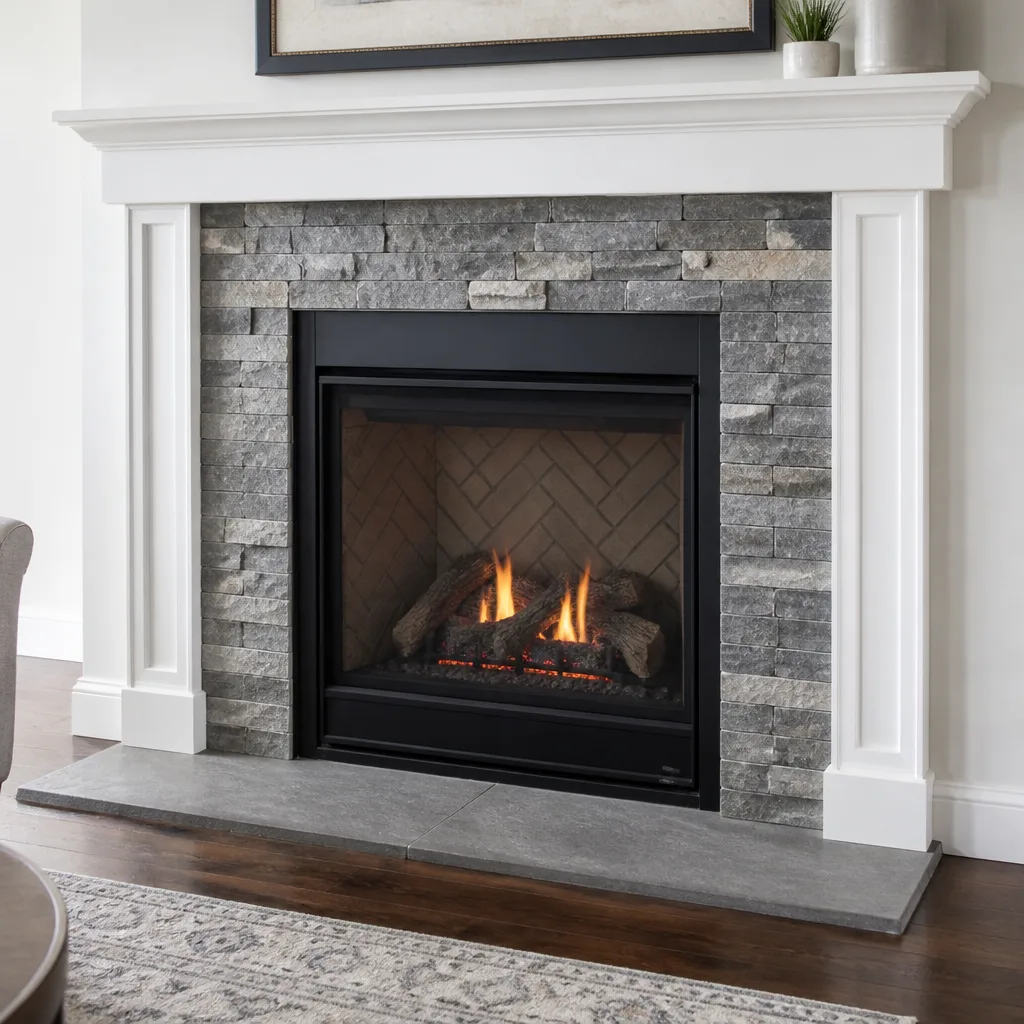 Gas fireplace service
Level 1 sweep and inspection to the NFPA 211 annual standard - flue, crown, cap, and flashing checked and photographed
Chimney sweep logs do not sweep chimneys. They loosen some creosote - which then falls where a brush and vacuum still have to collect it.
Seasonal Chimney Cleaning Care for West Valley City: Year-Round Homeowner’s Guide
Most homeowners think about their chimney exactly once a year, usually in late October, when the first cold snap hits and they realize a fire is coming. That single annual sweep is better than nothing, but it misses the season that does the most damage. The freeze-thaw cycles West Valley City sees between November and March crack mortar joints, push water into the masonry, and quietly open gaps around the flashing. By spring, that damage is at its freshest and cheapest to repair. Almost no one books chimney work in spring, and that’s exactly when it pays off. This guide walks through the four threat windows West Valley City faces across the year, what each season does to a chimney, and how to build a 12-month calendar that keeps you ahead of the damage instead of reacting to it.
Quick Answer
Seasonal chimney care in West Valley City is a four-phase cycle: a fall sweep and inspection before the first fire, winter attention to draft problems caused by temperature inversions, a spring inspection timed to catch freeze-thaw damage, and summer protection against moisture and nesting animals. If you want the short version, book the sweep in September or early October, look at the exterior every spring, and make sure the cap and crown are intact before the off-season. Everything else in this guide fills in the why.
Styles & brands we work with
- Sweep & inspection
- Caps & crowns
- Flue relining
- Masonry repair
- Gas fireplace service
Table of Contents
- Why West Valley City Chimneys Face Four Threat Windows, Not One
- Fall (September – October): The Sweep That Prevents, Not Reacts
- Winter (November – February): Inversions, Draft, and Carbon Monoxide
- Spring (March – May): Catching Freeze-Thaw Damage While It’s Fresh
- Summer (June – August): Moisture, Nests, and the Off-Season Threat
- Building Your 12-Month Chimney Calendar
- Five Signs You’ve Waited Too Long on a Repair
- Common Mistakes to Avoid
Why West Valley City Chimneys Face Four Threat Windows, Not One
Here’s what makes the calendar matter in this valley. A chimney in West Valley City doesn’t face one continuous set of conditions; it faces four fairly different ones. The Utah Valley brings dry, hot summers followed by cold winters with repeated freezing and thawing, often within the same 24 hours. A winter morning can thaw the north face of a chimney and a cold night refreeze it, and that cycle pushes and pulls at mortar joints and flue tile. The mountain-driven temperature inversions common in the valley are a second factor: during a strong inversion, the atmosphere above the valley warms and stalls, which changes how well a chimney draws. Summer brings its own work – moisture creep, nesting animals, and the slow degradation of a crown that no one has looked at since the last fire.
In our experience, the homeowners who end up with the biggest repairs are the ones who thought of their chimney as a winter appliance. A chimney is a building component made of mortar, brick, tile, and metal. It reacts to moisture, temperature, and time every month of the year, not just from the first fire to the last. The rest of this guide breaks the year into four work windows and tells you what to schedule in each one, so that the chimney you clean in September is still in good shape when the next fall arrives.
What Each Season Asks of You
- Fall: a sweep and a professional inspection before the first fire.
- Winter: watch for draft changes and any sign of smoke or gas backing into the room.
- Spring: a look at the exterior and an inspection for freeze-thaw spalling and flashing problems.
- Summer: confirm the cap and crown are intact and stop moisture and animals from getting in.
Fall (September – October): The Sweep That Prevents, Not Reacts
The most common timing mistake we see in West Valley City is scheduling the sweep after the first fire of the season, not before. It sounds minor, but it changes the whole purpose of the visit. A sweep after the first fire is a cleanup. A sweep before the first fire is prevention. The difference matters because the creosote and soot that build up in a wood-burning flue are what feed a chimney fire. Each season’s burning adds another layer, and if you light the first fire of the new season on top of last spring’s load of creosote, you’re running the stove on last year’s risk before anyone has checked the flue.
Scheduling in September or early October gives you two things. First, the flue is clean and inspected before any fire sees it, so you know the chimney can handle the season. Second, you’re ahead of the seasonal rush that always shows up after the first cold snap, when every sweep in the valley is booked solid and a true emergency has nowhere to go. Book in fall before the demand, not during it. This is also the right time for a full inspection, which is more than a sweep. A sweep cleans; an inspection tells you what the sweep can’t. We offer chimney inspections aligned with NFPA 211 standards at Level 1 and Level 2, which is the benchmark for knowing whether the flue is actually safe to use.
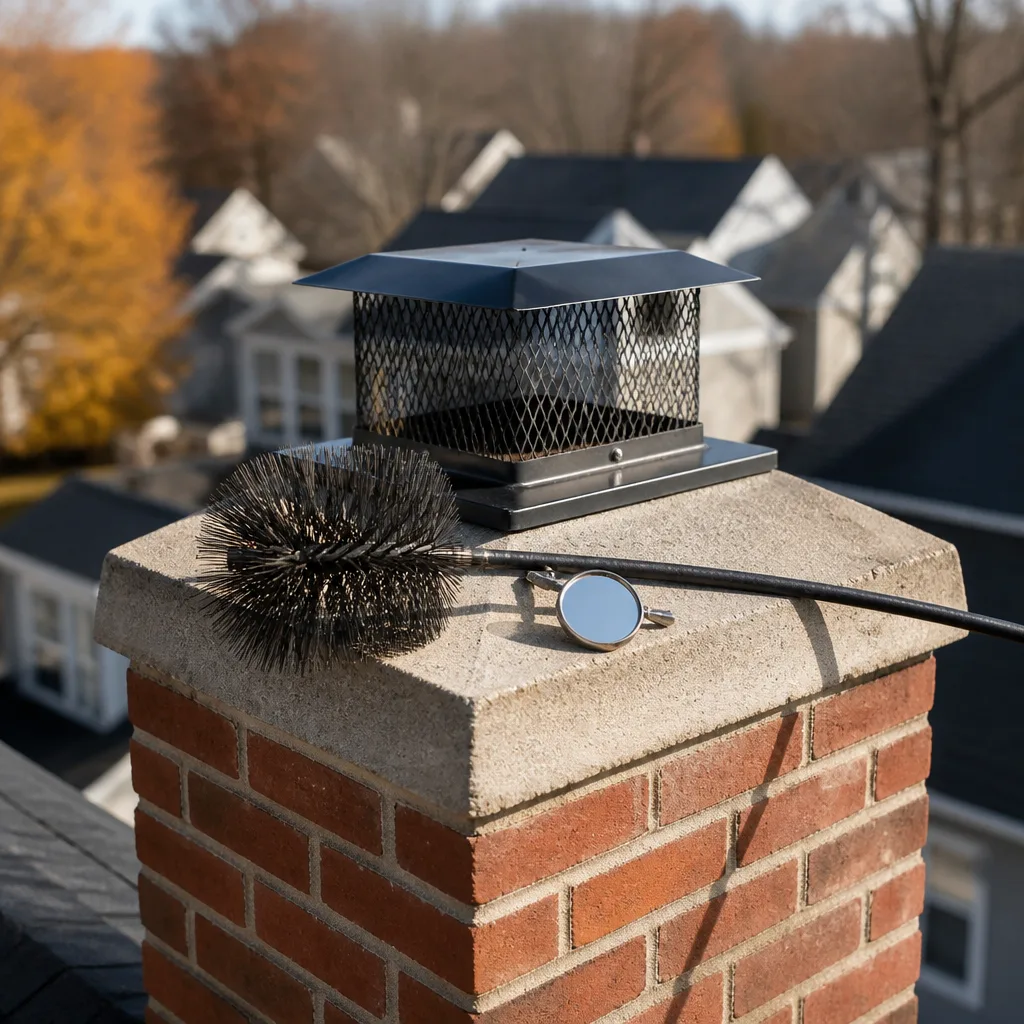
A proper pre-season visit at a chimney sweep appointment in West Valley City should cover more than the brush. It includes a visual check of the firebox, the damper, the smoke chamber, the flue, and the cap. A camera inspection lets you see the inside of the flue for yourself, which answers the question you probably came in with: do I really have a problem, and how do you know? At Chimney Sweep West Valley City, the inspection and photo report come with the visit, so the recommendation is tied to something you can look at.
Your Fall Chimney Checklist
- Book the sweep and inspection for September or early October, before the first fire.
- Ask for a camera inspection and a photo report you can review.
- Have the cap and crown checked for cracks, missing pieces, or rust.
- Confirm the damper opens and closes freely.
- Ask the technician to explain anything that needs repair and whether it can wait.
For a more detailed walkthrough of what a sweep visit involves, see our main guide to Chimney Sweep West Valley City.
Winter (November – February): Inversions, Draft, and Carbon Monoxide
Winter is the season homeowners think about the chimney most, but the usual warning misses the local factor. Across the valley, winter temperature inversions form when a layer of warmer air sits above colder air trapped in the basin. In a strong inversion, the warmer air overhead can act like a lid, and the cold air near the ground stagnates. That’s why the valley can have long stretches in winter when smoke and haze hang around instead of clearing. For a wood-burning fireplace or stove, those conditions affect draft: chimney performance depends on the difference between the warm flue gases and the colder outside air, and when the atmosphere is stubborn, the draw can weaken. A weak draft means smoke that doesn’t want to leave the firebox and, more seriously, combustion gases that can work their way back into the home instead of up the flue.
This is where the carbon monoxide question comes in, and it deserves a straight answer rather than a warning label. Carbon monoxide is a colorless, odorless gas produced by any fuel-burning appliance, including a wood fireplace, a gas insert, or a wood stove. A properly sized, properly lined flue venting into open air handles it. A blocked, damaged, or under-drawing flue can let it push back into the room. The risk grows in winter for two reasons: the appliance runs more, and the inversions can make venting less reliable.
What to watch for in winter:
- Smoke rolling back into the room when you open the damper or add wood.
- A sudden change in how the fire burns – lazy, smoldering, or reluctant to draw.
- Headaches, dizziness, or nausea in the home that improve when you leave.
- A carbon monoxide alarm going off.
If a CO alarm sounds, leave the home and call for help; that’s a safety matter, not a chimney maintenance question. If you notice draft problems that come and go with the weather, that’s a chimney question – and it’s worth checking before it gets worse. During the burning season, keep an eye on creosote as well. Creosote forms in the coolest part of the flue, near the top, and it’s combustible. A flue that ran clean in October can build up a fresh layer by January if the stove burns cool or the wood is unseasoned. If a fire has burned poorly all season, that’s a reason to have the flue checked, not a reason to wait for spring.
If you own a gas appliance, the winter rule is the same. The insert or stove needs its flue venting fully and openly, and carbon monoxide risk is no different just because there’s no wood fire. Any fuel-burning appliance can produce it when venting fails.
Spring (March – May): Catching Freeze-Thaw Damage While It’s Fresh
The single most overlooked window in West Valley City is spring. Here’s the case for it plainly. The masonry that got through winter with nothing more than a slow crack will not fix itself when the weather warms. What happens in spring is that the damage becomes visible. Freeze-thaw cycles force water into small cracks in the mortar and the brick, where it freezes, expands, and widens them; when the thaw comes, more water gets in. The visible result in spring is spalling – the face of the brick flaking or popping off – and efflorescence, the white powdery deposit that shows where water has moved through the masonry. Around the flashing, the metal that seals the chimney to the roof, winter frost heave and ice can pry it loose without anything looking wrong from the ground.
Why does spring matter more than fall for this work? Because that’s when the damage is freshest and the season for using the fireplace is over. You’re not squeezing a repair in around a fire that’s still in use. A repair done in spring has the whole summer to cure, and the masonry goes into the next winter in good condition instead of continuing to decay through the off-season. In our experience, a spalled brick and a loose mortar joint found in April are a small repair, while the same spot ignored until October can mean water has had the whole summer to work its way into the smoke chamber and the flue.
A spring inspection is the specific service to book. It’s a visual, and often camera-assisted, check of the masonry, the crown, the flashing, the flue tiles, and the cap, timed to catch the winter’s damage while it’s easy to see. This is also where HeatShield flue resurfacing earns its place. When the freeze-thaw cycle has cracked the flue tiles but the chimney structure is still sound, resurfacing can restore the interior surface without the cost of a full relining job. It’s a cost-saving option that a lot of single-service sweeps won’t offer because they don’t do it.
What to Look For on the Exterior Each Spring
- Flaking or popping brick faces on the chimney’s exterior above the roofline.
- White, chalky deposits on the masonry (efflorescence).
- Cracked or displaced mortar joints, especially near the top.
- Loose or lifted flashing where the chimney meets the roof.
- A cracked or tilted crown at the top of the chimney.
- Rust on the cap or any missing cap pieces.
If any of those show up, an inspection is the move. A great deal of masonry can safely wait if it’s cosmetic, but a cracked crown or an open flashing joint is water getting in every time it rains, and that’s the one you don’t want to defer. A professional can tell you which category you’re in. See fireplace repair for the interior side of spring work.
Summer (June – August): Moisture, Nests, and the Off-Season Threat
Summer looks like the quiet season for a chimney; in reality it’s when the slow damage happens. Two things are at work. The first is moisture. A chimney with a cracked crown, a missing cap, or open mortar joints becomes an entry point for summer rain. Water that gets into the flue and stays there during hot, still weather can stain the interior, degrade the flue tiles over time, and, in an uncapped chimney, work its way down to the firebox. The second is animals. Chimney swifts, squirrels, and other wildlife treat an uncapped flue as a safe place to nest, and the nesting material itself becomes a creosote-adjacent fire hazard the following fall. Birds rarely choose a chimney that has a secure, airtight cap.
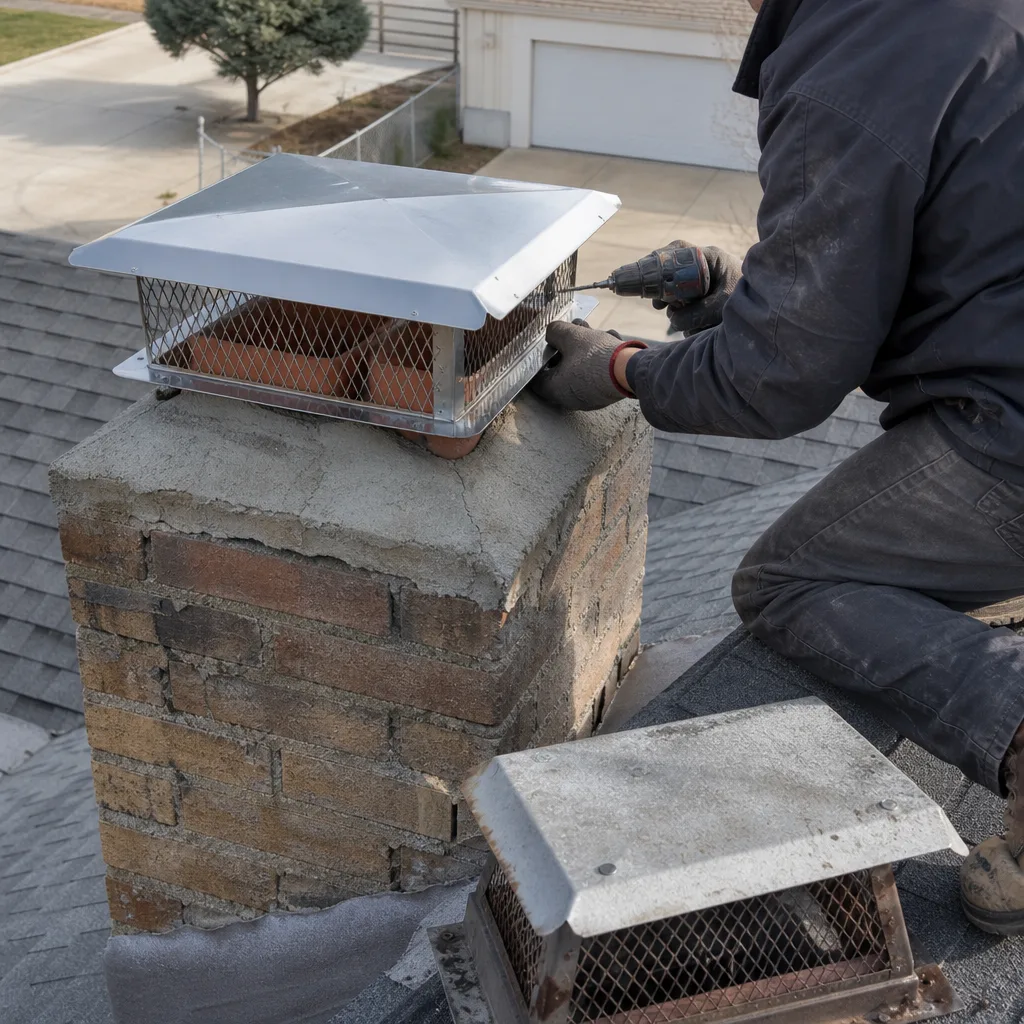
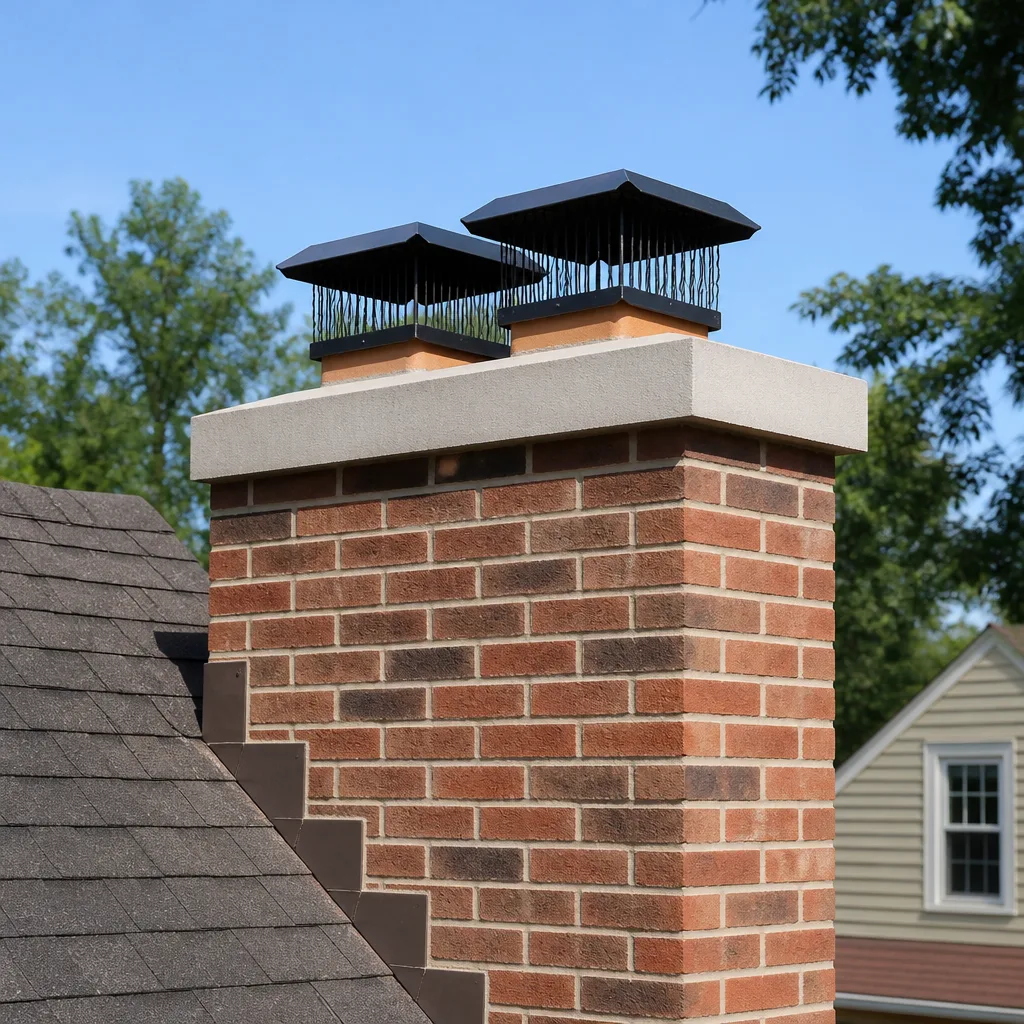
This is where a cap and crown service pays for itself quietly. The cap on top of the flue keeps out rain, debris, and animals; the crown at the top of the masonry sheds water away from the brick. Both use purpose-built components for a reason. We install chimney caps and crowns made with Gelco and Famco parts, which are made for long-term weather exposure rather than the hardware-store versions that rust or crack within a couple of seasons. That’s the difference between a part that lasts and a part you replace every few years. Around the valley, a lot of the uncapped chimneys we see are the same ones the wind strips a cheap cap off within a season. The right cap stays.
A summer visit is also the ideal time to inspect the outside of the chimney without the distraction of a fire in use and without winter ice on the roof. If you’re going to schedule a chimney cap & crown check, June through August is the window when access is easiest on the roof and the work is least disruptive.
Summer Chimney Tasks
- Confirm the cap is present, secure, and not rusted through.
- Look at the crown from the ground for cracks or tilt.
- Have any nesting removed and the flue cleaned before fall.
- Check for water stains on the ceiling or near the chimney inside.
- Note any animal activity around the chimney top for the fall visit.
Building Your 12-Month Chimney Calendar
The whole point of thinking in seasons is that it lets you schedule the right work into the right window instead of scrambling. Here’s a calendar we’d suggest to any West Valley City homeowner. It front-loads the prevention into fall, the inspection into spring, and the protection into summer, with winter kept for observation and immediate problems.
The West Valley City Chimney Calendar
- September – October: Sweep and a Level 1 or Level 2 inspection before the first fire. Confirm the cap, crown, damper, and firebox. This is the season to book early, before the cold snap brings the rush.
- November – February: Burn clean, seasoned wood. Watch for draft problems, smoke backing up, and carbon monoxide alarms. If the fire burns poorly for more than a day or two, book a check.
- March – May: Post-season inspection and exterior look. Catch spalling, efflorescence, and flashing issues. Get any flue tile damage documented, and discuss options like HeatShield resurfacing if repairs can wait until the weather is settled.
- June – August: Cap and crown inspection, moisture check, removal of any animal nests, and any masonry work that’s easier in dry, warm weather.
- All year: Keep a carbon monoxide alarm on every level of the home. It’s the cheapest safety measure you can buy, and it’s not a substitute for a good inspection, but it’s the backstop.
Some homeowners ask whether the four visits are necessary. They aren’t a fixed contract; they’re the four windows where a specific thing is best checked. If you only ever want to schedule one service a year, make it the fall sweep and inspection. If you want to do more than react, add the spring inspection. The summer cap check and the winter draft watch are the parts you can do yourself or ask about during another visit.
One note on timing: the fall rush is real. When the first cold week arrives, everyone in the valley calls at once. If you book your sweep in September, you get the appointment you want and a technician who isn’t rushing to the next call. It’s not a hard sell; it’s just how scheduling works in a valley where everyone decides on the fireplace at the same time.
Five Signs You’ve Waited Too Long on a Repair
We’re not going to tell you every small crack is a crisis. A great deal of chimney condition can safely wait, and a good technician should say so. But a few signs are worth acting on in the season you see them:
- Water stains on the ceiling or chimney breast inside the house. That’s water getting past the flashing, cap, or crown. Book an inspection.
- Smoke stains around the firebox or smoke backing into the room. This suggests a draft problem or a blocked flue, and it matters most during inversion days.
- Visible spalling or crumbling mortar on the chimney exterior. The freeze-thaw damage that’s visible in spring is the repair window to take.
- A carbon monoxide alarm going off. Treat it as an emergency: leave the home and call for help, then have the chimney evaluated before you burn again.
- A loose or missing cap, or animal activity around the chimney top. This is a summer fix. Left alone, it’s water in the flue and a fire risk in the fall.
Common Mistakes to Avoid
- Scheduling the sweep after the first fire instead of before it. A clean flue before the season is prevention; a clean flue after the first fire is too late to know whether the season was safe.
- Treating the annual sweep as the whole job. A sweep cleans; it doesn’t tell you whether the crown is cracked or the flue tiles are failing. Ask for the inspection in the same visit.
- Skipping the spring look. The freeze-thaw damage in West Valley City is visible in spring, and waiting until fall lets water into the masonry for the whole summer. Look every April.
- Putting the cap back on with a cheap hardware-store part. Caps that rust or shake loose are a common sight on uncapped chimneys. Use a purpose-built cap so it holds.
- Burning unseasoned wood all winter. Wet wood burns cool, builds creosote faster, and in inversion conditions can make draft problems worse. Season your wood ahead.
- Ignoring a draft problem until spring. If the fire smokes or the draw changes on a stagnant winter day, get it checked. It could be a flue issue, not just the weather.
- Assuming a gas insert can’t produce carbon monoxide. It can, whenever the flue is blocked or not venting properly. The same inspection that protects a wood chimney protects a gas flue.
See the difference
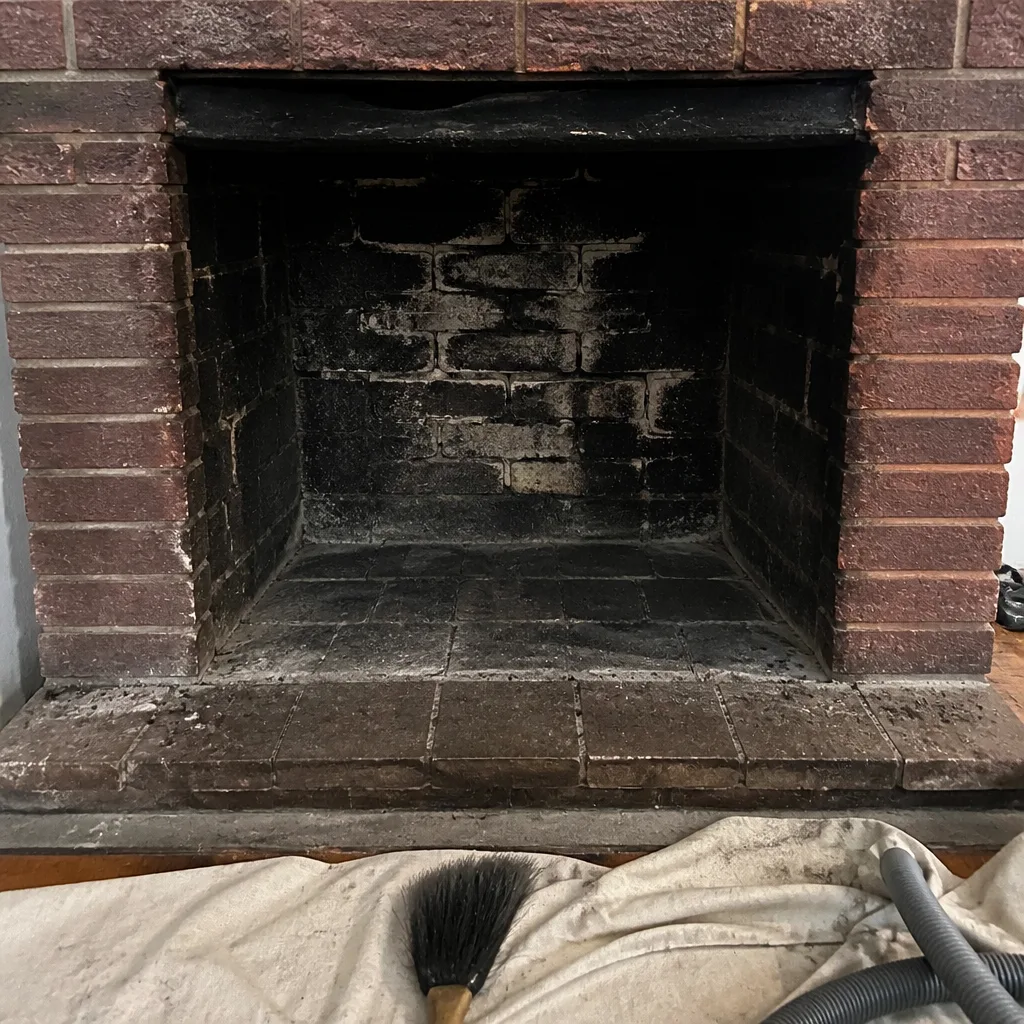 Before
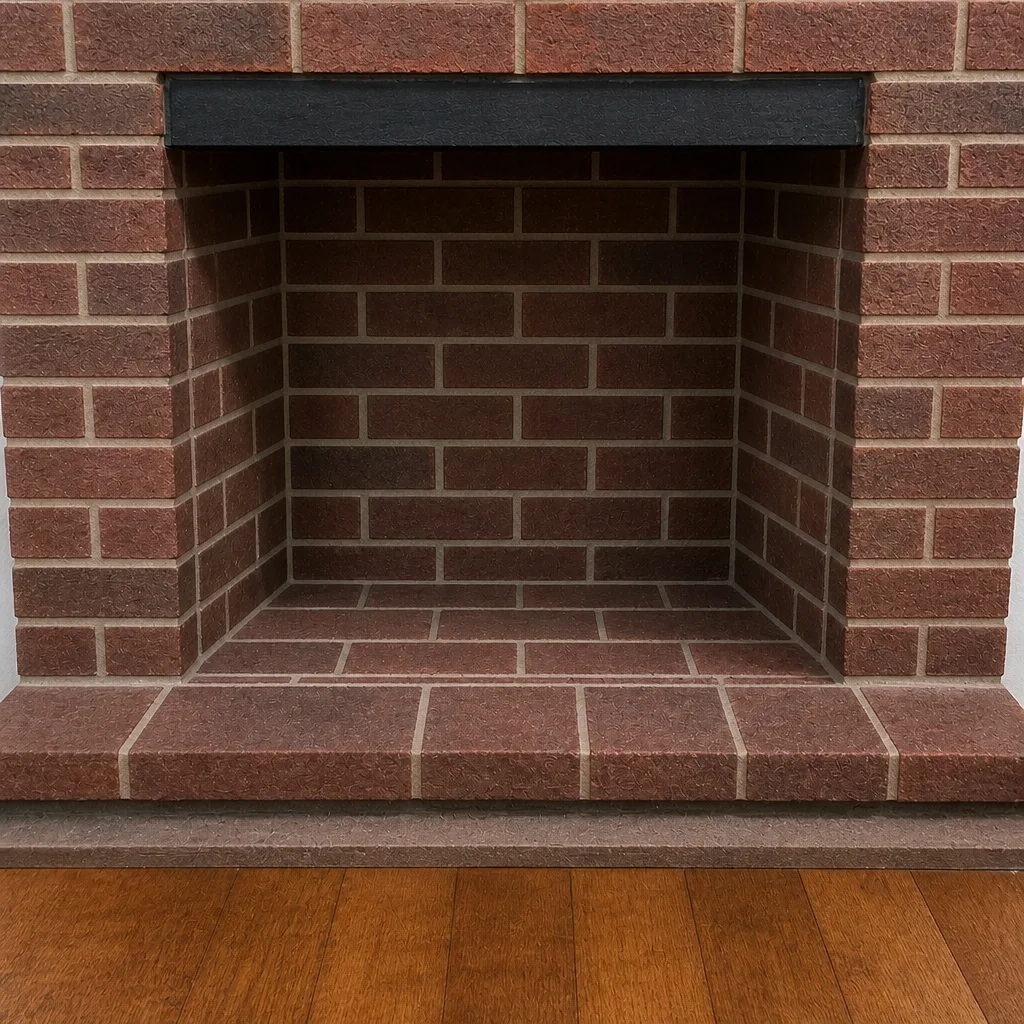 After
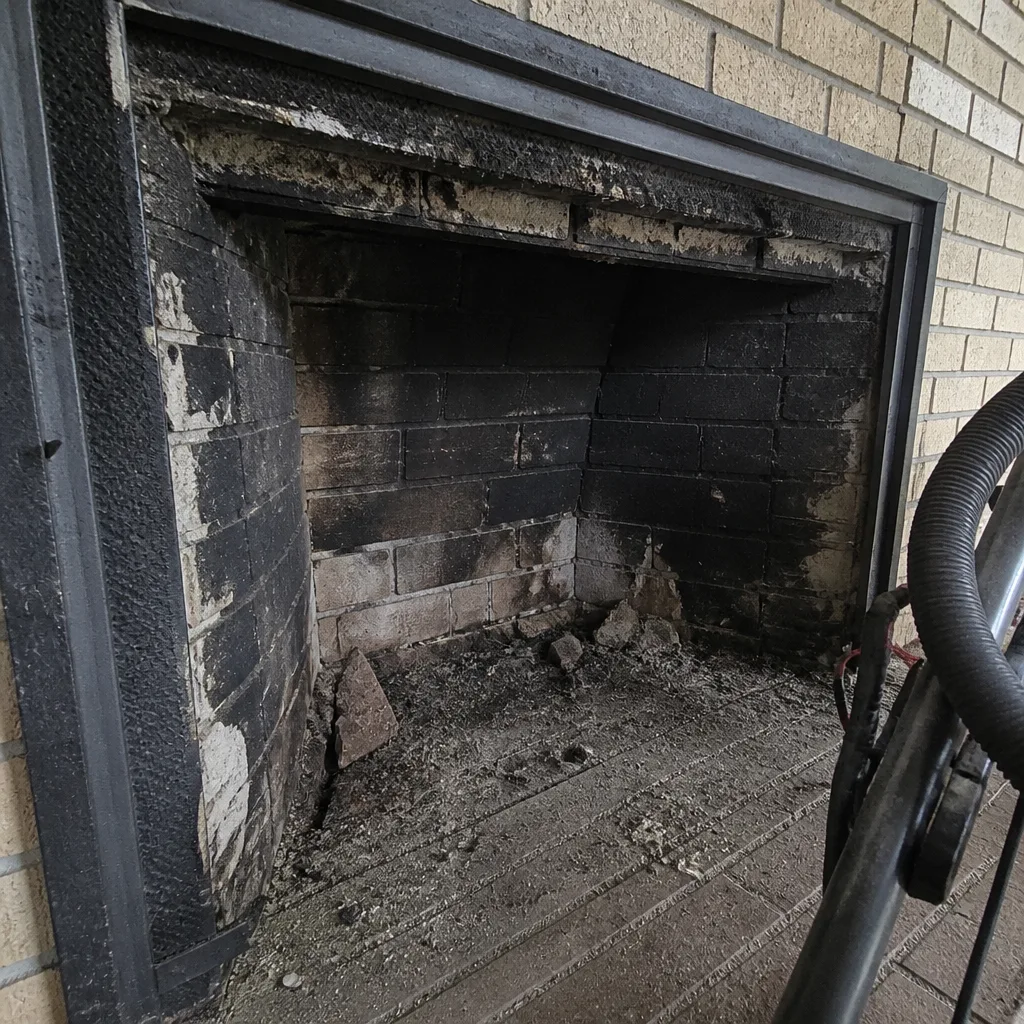 Before
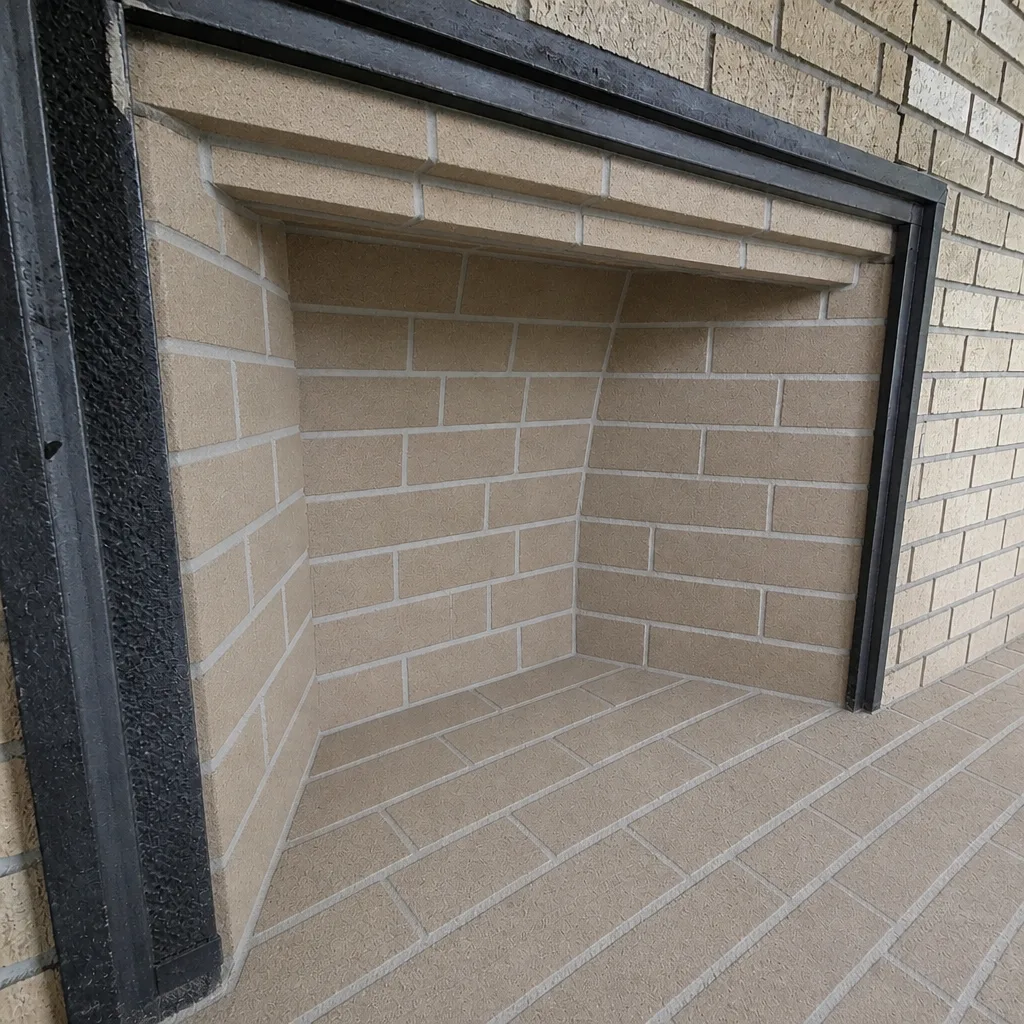 After
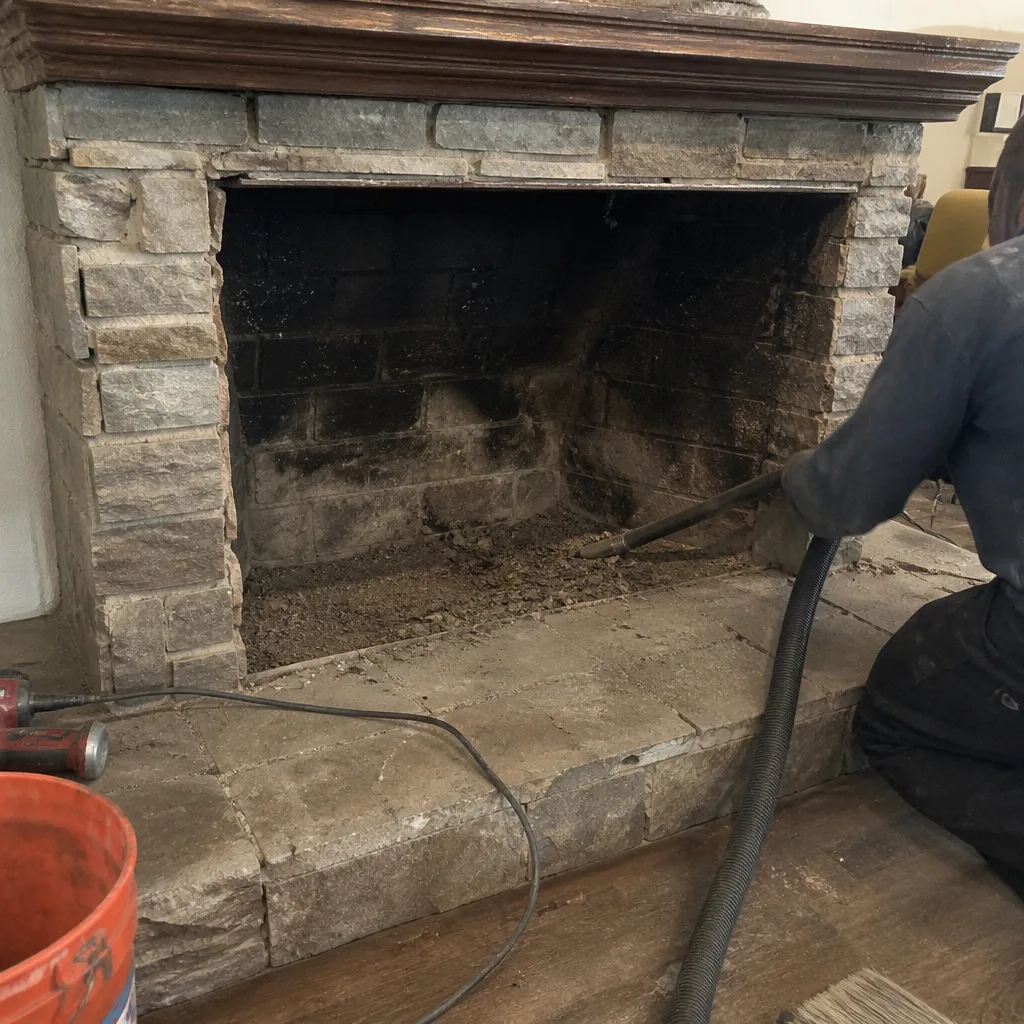 Before
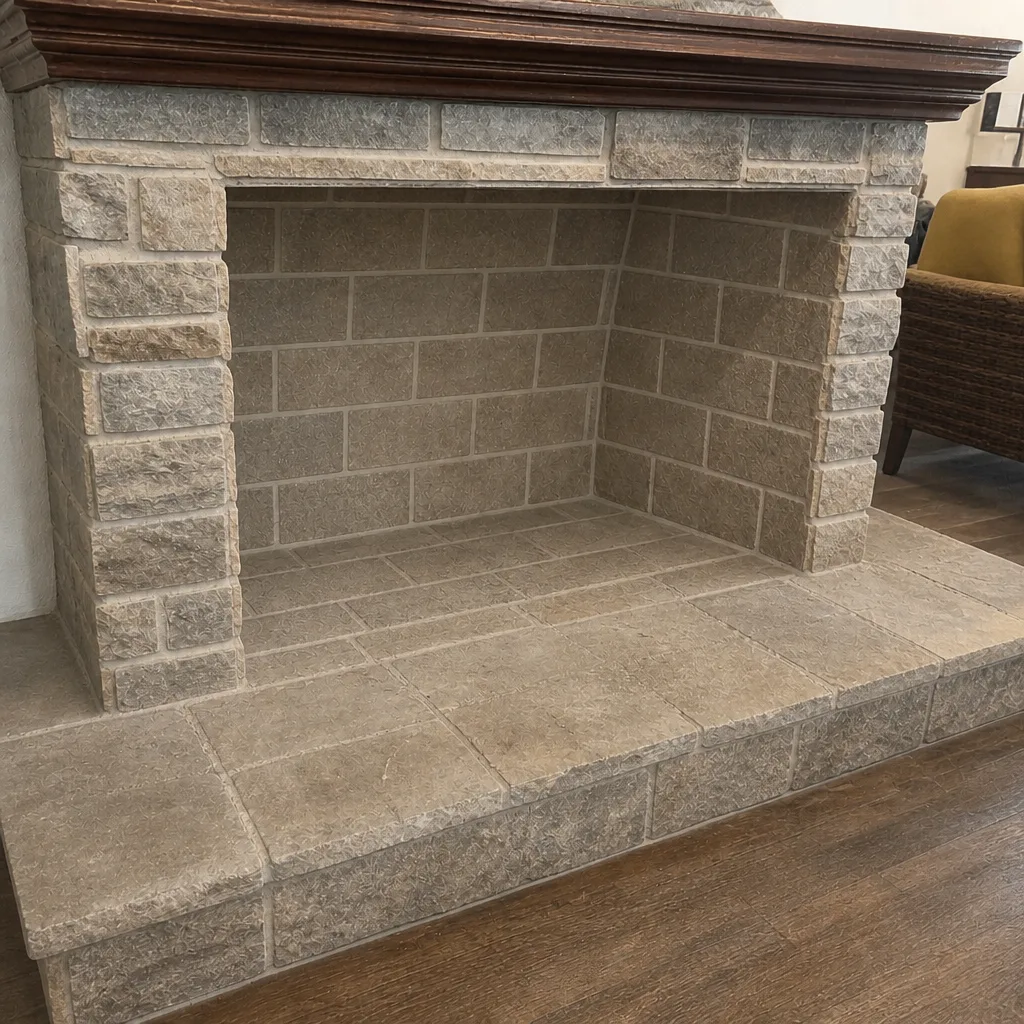 After
When to Call a Professional
Some chimney work is a maintenance question, and some is a safety call. Call a professional when smoke backs into the room, when the draw changes suddenly, when a carbon monoxide alarm sounds, when there’s water staining near the chimney inside, or when you can see spalling brick or a cracked crown from the ground. Call if a cap is missing, if you suspect animals are nesting, or if it’s been more than a year since the flue was cleaned. The other good reason to call is simply the calendar: fall is the season to book the sweep, and calling in September beats calling in November. Chimney Sweep West Valley City offers free estimates in West Valley City. We sweep, inspect, install caps and crowns, handle fireplace repair, and do chimney repair and liner work using professional brands like DuraFlex, HeatShield, Gelco, Olympia Chimney, Famco, and Copperfield. Call (844) 625-7149 for a free estimate.
Our scope covers the whole system. That means a single call covers the sweep, the inspection, the cap and crown, and the repair work, so you’re not sent to a second contractor for the part of the job the first one didn’t handle. Our technicians have up to 14 years of experience, and the local pro we connect you with is licensed and insured as their state requires.
Frequently Asked Questions
Late September or early October, before the first fire of the season. That timing makes the sweep preventive rather than a cleanup after the fact, and it gets you ahead of the seasonal rush that builds after the first cold snap. Book the inspection at the same visit so you know the flue is ready for the whole season.
Yes, because the two do different jobs. A sweep removes creosote and soot; an inspection tells you whether the flue tiles, crown, cap, flashing, and firebox are actually safe to use. Our inspections follow NFPA 211 standards at Level 1 and Level 2, and you get a camera inspection and photo report you can review yourself. A sweep is a starting point; a full inspection tells you what the sweep can’t.
Temperature inversions can trap cold air near the valley floor and reduce how well the chimney draws, which is when smoke and combustion gases can back up rather than vent. If you notice smoke in the room or a change in how the fire burns during a stagnant winter stretch, have the flue checked before you burn again. A carbon monoxide alarm on every level is the backstop while you do.
Once a year for most wood-burning homes is the working rule, and that should be a cleaning plus an inspection, not just a brush. If you burn frequently, burn unseasoned wood, or use the fireplace as a primary heat source, the flue may need a mid-season check as well. The right answer depends on how much you burn, which the technician can see inside the flue.
The freeze-thaw damage from winter stays hidden and gets worse through the summer moisture. A small spalled joint or a cracked crown that would be a quick repair in April can let water into the smoke chamber or flue over June and July and become a bigger job by fall. An inspection in March, April, or May is the quiet repair window, and it’s when the damage is freshest and easiest to see.
It can, if nothing is visibly failing. But the summer window is the better time, because an uncapped flue is open to rain and wildlife through the entire off-season. If the cap is missing or damaged heading into summer, replace it then rather than let water and animals use the flue from June to August. Capping it before the off-season is what protects the interior for fall.
The Bottom Line
A West Valley City chimney faces four different seasons of conditions, and the annual fall bugle call is only one of them. Fall is for the sweep and inspection before the first fire; winter is for watching draft and the letdown from inversions; spring is for catching freeze-thaw spalling while it’s visible and cheap to fix; summer is for caps, crowns, and keeping animals and water out. Build the calendar around those four windows, book the fall sweep before the rush, ask for the inspection in the same visit, and look at the exterior every spring. If smoke backs up or a CO alarm sounds, that’s a professional call, not a seasonal one.
Written by the team at Chimney Sweep West Valley City.