
Last updated November 25, 2026
 Sweep & inspection
 Caps & crowns
 Flue relining
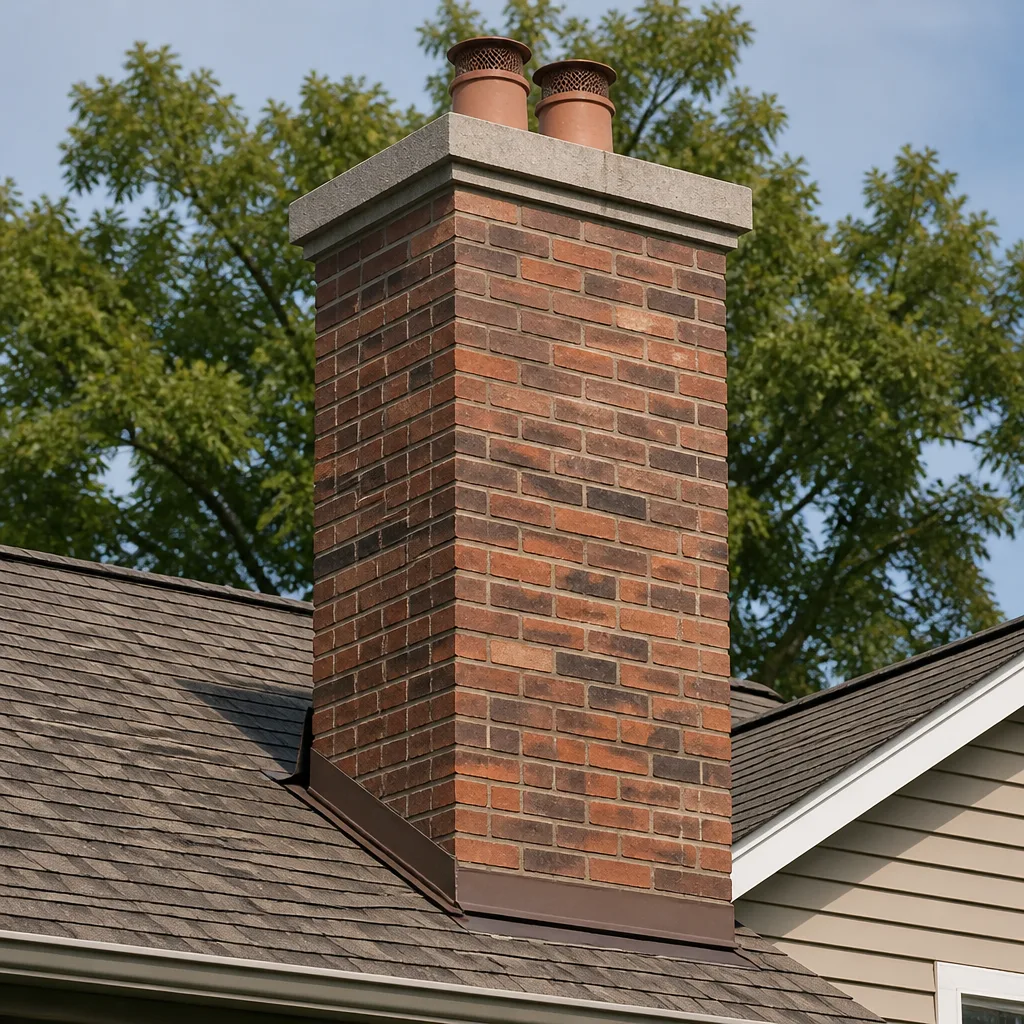 Masonry repair
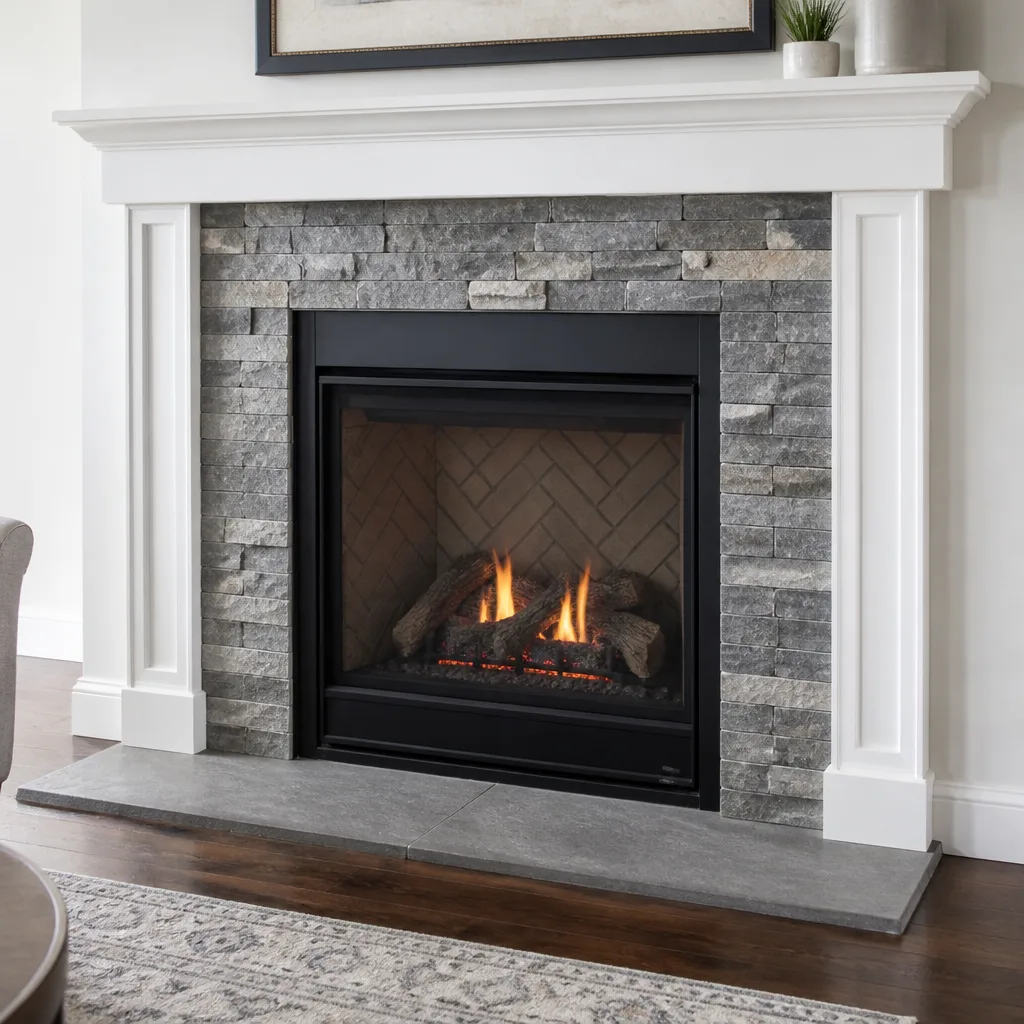 Gas fireplace service
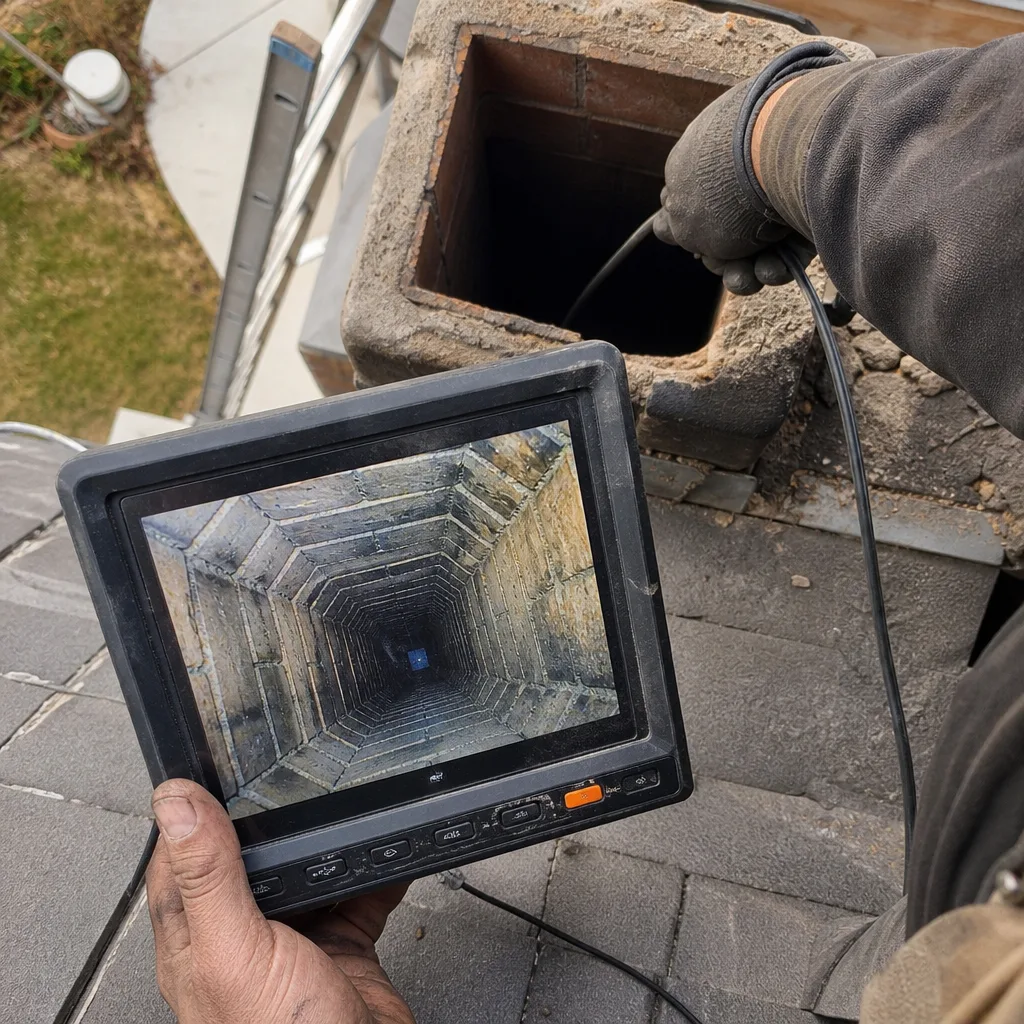
Level 1 sweep and inspection to the NFPA 211 annual standard - flue, crown, cap, and flashing checked and photographed
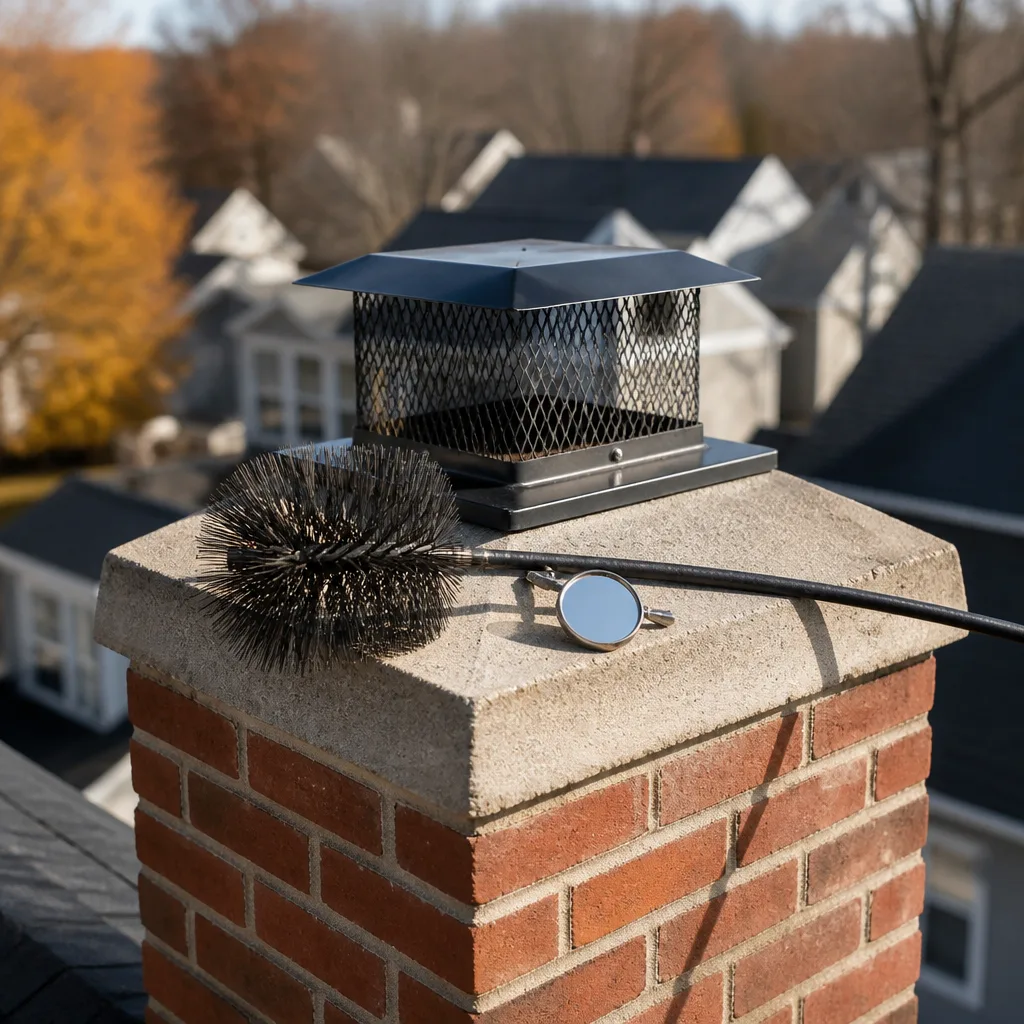
Chimney sweep logs do not sweep chimneys. They loosen some creosote - which then falls where a brush and vacuum still have to collect it.
Chimney Cleaning Permits, Codes & Inspections in West Valley City, UT: What You Need to Know
Most chimney work in West Valley City needs no permit at all. A routine sweep, an annual inspection, a new cap: none of that goes through the building department. The surprise comes later, when a sweep finds cracked flue tiles or a failed firebox and the job quietly crosses a line into structural work. That’s where permits, code compliance and your homeowner’s insurance all meet, and where a lot of homeowners get caught flat during a sale or a claim. This guide walks through which chimney jobs need a permit in West Valley City, what the Utah Residential Code actually asks of a chimney system, how NFPA 211 fits in, and how to verify a contractor pulled the right paperwork before anyone touches your flue.
Quick Answer
Routine chimney cleaning and annual inspections in West Valley City do not require a permit. Structural chimney work does: liner replacement, firebox reconstruction, and a full crown rebuild typically require a permit through the West Valley City building department, and that work must meet the Utah Residential Code, which adopts the International Residential Code with local amendments. Every chimney should also be inspected to NFPA 211, the national standard that governs chimneys, fireplaces, vents and solid-fuel appliances. A sweep is maintenance. A permit is what separates a repair that holds up at resale from one that doesn’t.
Styles & brands we work with
- Sweep & inspection
- Caps & crowns
- Flue relining
- Masonry repair
- Gas fireplace service
Table of Contents
- Does chimney cleaning need a permit in West Valley City?
- Which code governs your chimney in Utah?
- The exact repair triggers that cross the permit threshold
- How the West Valley City building department handles chimney permits
- NFPA 211 vs. local code: where the two meet
- Inspection levels and what each one tells you
- How to verify permits before work begins
- How West Valley City’s climate affects your chimney
Does chimney cleaning need a permit in West Valley City?
No. A standard chimney sweep, a visual inspection, and cap or crown maintenance do not require a permit in West Valley City. These are maintenance activities, and the building department doesn’t track them. That’s worth stating plainly because the confusion runs both directions: some homeowners assume any chimney work needs a permit, and others assume none of it does. The truth sits in the middle, and the line is defined by whether the job changes the structure of the chimney system.
The easy way to think about it: if the work only removes creosote, checks components, or replaces an exterior fitting, you’re on the maintenance side. If the work changes the flue itself, rebuilds the firebox, or reconstructs the crown, you’ve crossed into structural territory. That’s when a permit is normally required, and when an inspection by the city becomes part of the process.
Here in West Valley City, most homes use their fireplaces heavily through the winter, and a lot of the housing was built in the decades when clay tile flues were the standard. Those tile flues crack over time from heat cycling. A sweep that reveals a cracked tile is doing its job. What happens next is where the permit question starts.
- No permit normally needed: sweeping, Level 1 and Level 2 inspections, cap replacement, minor crown patching, damper work.
- Permit normally needed: full liner replacement, firebox reconstruction, crown rebuild, chimney chase repair that affects the structure.
When in doubt, the answer is a phone call to the West Valley City building department. They’ll tell you in a minute whether your specific job needs a permit, and getting that answer before work starts costs nothing. If you haven’t had a sweep yet this season, start with a chimney sweep so the inspection has a clean flue to work from.
Which code governs your chimney in Utah?
Utah adopts the International Residential Code (IRC) as the Utah Residential Code, with state amendments layered on top. The chimney provisions live in the IRC’s chapter covering chimneys and vents, which sets the rules for clearances, flue sizing, liner specifications, and how a chimney is built and repaired. West Valley City then enforces that code at the local level through its building department.
What does that mean for a homeowner with a wood-burning fireplace or a gas insert? Three things matter most.
- Clearances. The code specifies how far combustible materials must sit from a chimney. When a chimney is repaired or a liner is installed, those clearances have to hold, and a code inspection verifies them.
- Liner specifications. The IRC references listed liner systems for the appliance type. A flexible stainless-steel liner like DuraFlex is UL-listed for use with wood, gas, and oil appliances, and that listing is what makes it code-compliant. Unlisted, improvised, or mismatched liners are where garage-level fixes fall apart.
- Repair scope. A liner replacement isn’t just sliding a new tube down the flue. The code governs how it connects at the top and bottom, how it’s insulated, and how it terminates. That’s the part a permit inspection checks.
You don’t need to memorize chapter numbers. What you need is a contractor who knows the code well enough to pull the right permit, do the work to spec, and document it. That’s also why the code and a proper inspection go together: the Chimney Sweep West Valley City inspection tells you what’s wrong, and the code tells you what a correct repair looks like.
The exact repair triggers that cross the permit threshold
This is the section homeowners need most, because the triggers are specific. Here’s how a chimney specialist lines up the jobs that need a permit against the ones that don’t.
Liner replacement. Any full replacement of the flue liner crosses the threshold. Whether it’s a flexible stainless liner or a cast-in-place system, the liner is a life-safety component and the code governs its installation. A permit is normally required, and the inspection confirms the liner meets the listing and clearance rules.
Firebox reconstruction. Rebuilding the firebox means changing masonry that contains the fire. That’s structural work on a fire-rated component, and it’s permitted. Patching a hairline crack in firebox mortar is maintenance; pulling apart and re-laying the firebox is not.
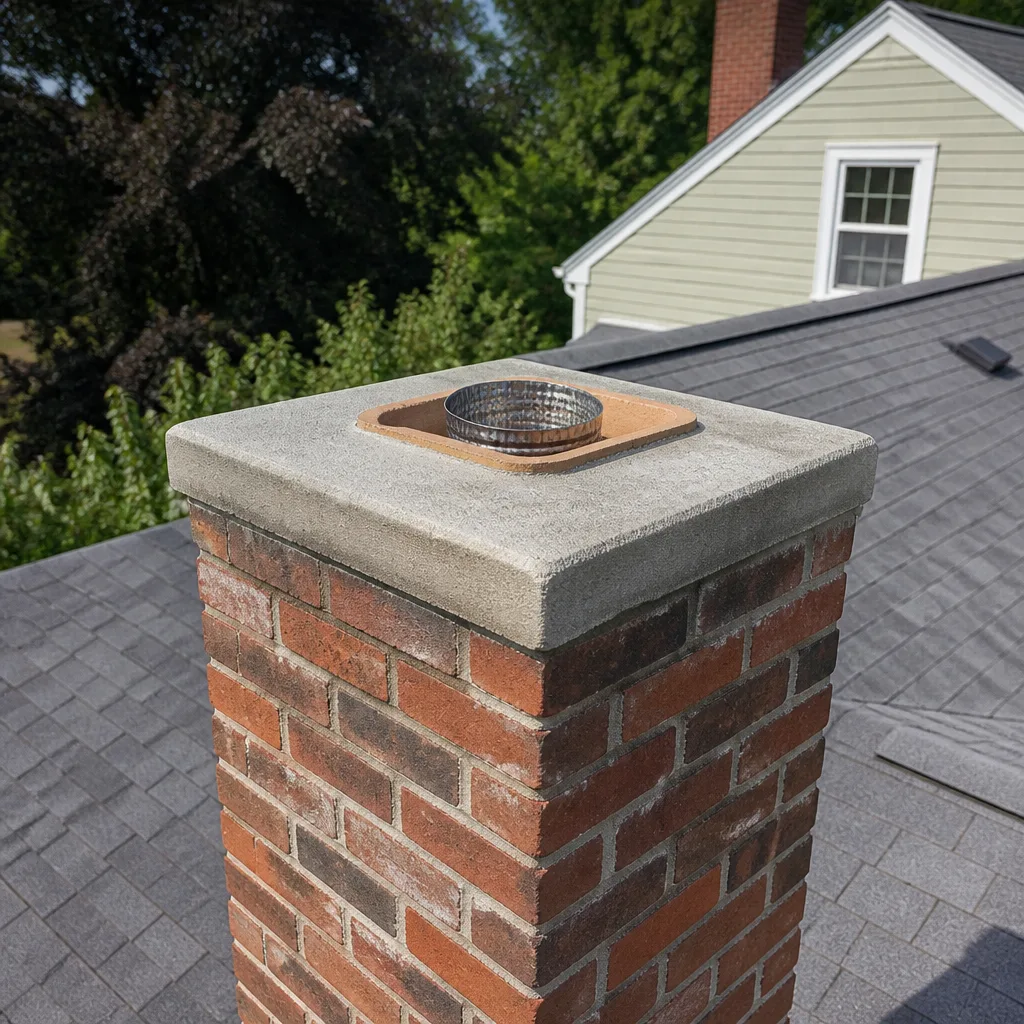
Full crown rebuild. The crown is the concrete or masonry cap on top of the chimney that sheds water. Repointing a small crack is maintenance. Rebuilding the entire crown is structural, because it affects the top of the chimney chase and how water drains off it.
Chip and chase repair affecting the structure. If the exterior of the chimney chase has spalled or shifted enough to affect its integrity, that repair usually involves a permit. Cosmetic masonry repointing generally doesn’t.
Here’s the other side of the threshold, the work that rarely needs a permit:
- Sweeping. Maintenance only.
- Inspection. Diagnostic, not construction.
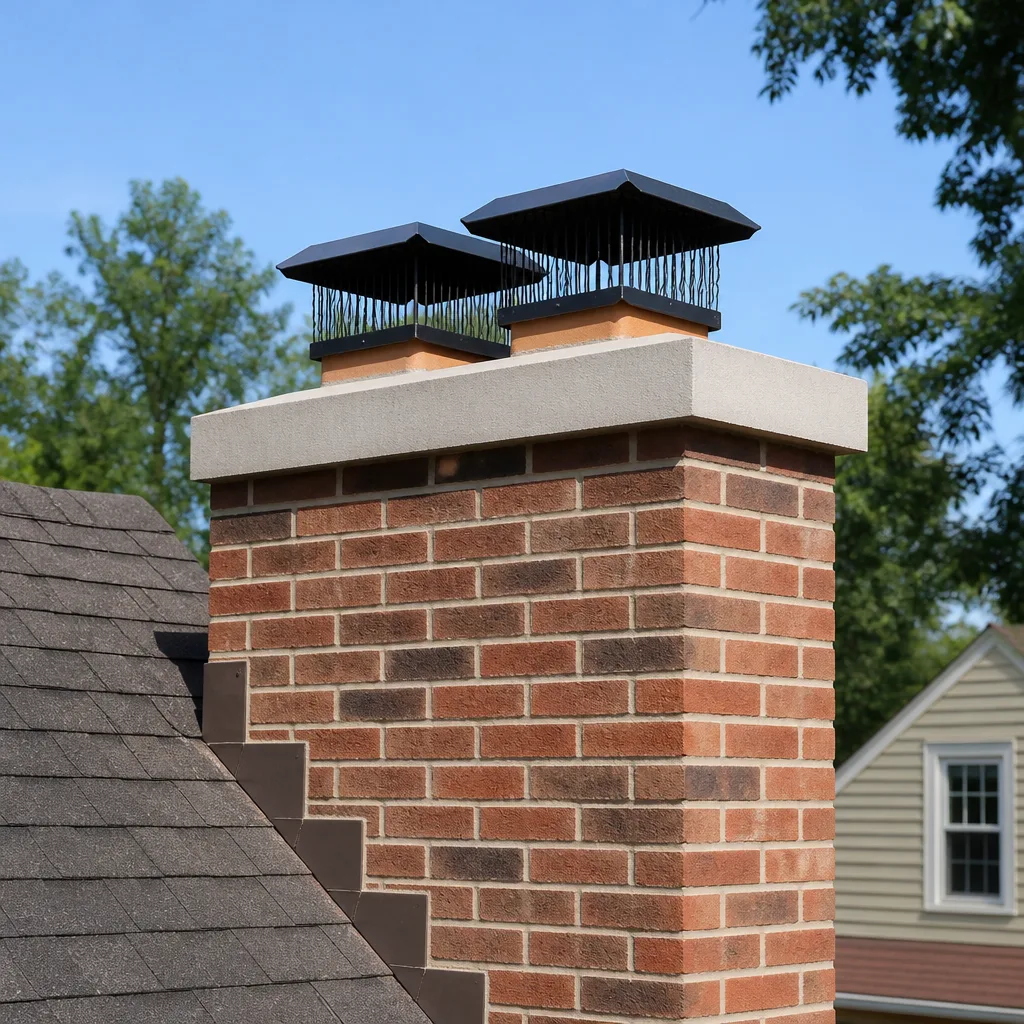
- Cap installation. Replacing a cap on top of the flue is a fitting swap. Premium caps from Gelco and Famco are purpose-built for this and install without structural changes.
- Minor crown sealing or patching. Sealing small cracks is maintenance.
- Damper repair. Component-level work, no structural change.
One more point that trips people up: the difference between restoring a flue and replacing it. HeatShield flue resurfacing restores structurally compromised tile flues without full replacement, and because it works with the existing flue rather than replacing it, the permit picture can differ. Ask your contractor which side of the line their proposed work falls on, and get that answer in writing.
How the West Valley City building department handles chimney permits
Chimney repair permits run through the West Valley City building department like any other residential permit. The process is straightforward, but it has steps, and the timeline depends on how busy the department is and how complete your contractor’s paperwork is. Here’s the general shape of it.
- Contractor submits an application. The application describes the scope: liner replacement, firebox rebuild, crown rebuild, or exterior structural repair. It includes the liner system and product specs.
- Department reviews the plan. Plan review confirms the proposed work meets the Utah Residential Code. This is where the listing and clearance details get checked. A vague application slows everything down.
- Permit is issued. Work can begin. The permit typically requires an inspection at specific stages, often a rough-in inspection before things are closed up and a final inspection at completion.
- Inspection happens. The inspector confirms the liner, clearances, and structural work meet code. If something’s off, it gets corrected before sign-off.
- Permit is closed. The final sign-off is your documentation that the work was done to code. Keep that paper.
Typical turnaround: routine residential chimney permits usually clear review quickly when the application is complete, and the inspection gets scheduled once the work reaches the right stage. The slow path is almost always an incomplete application, or a contractor who started work before pulling the permit.
That last one matters more than it sounds. Unpermitted work doesn’t disappear. It surfaces at resale, at insurance claim time, or when a future contractor opens the chimney and finds work that doesn’t match the record. A permit protects you, not the contractor. For crown and exterior work specifically, a permit and quality materials are the same conversation: chimney cap & crown work using Gelco or Famco components is built to last, and doing it under permit means it’s documented.
NFPA 211 vs. local code: where the two meet
NFPA 211 is the national standard for chimneys, fireplaces, vents, and solid-fuel appliances. The Utah Residential Code is the local law. They aren’t the same document, and they don’t serve the same purpose, but for a West Valley City homeowner they work together.
NFPA 211 sets the inspection standard. It defines what a Level 1, Level 2, and Level 3 inspection cover, and it lays out what a chimney professional looks at during a sweep. It also describes the technical requirements for chimneys and vents more broadly. Building codes across the country lean on it, which is why a proper inspection in West Valley City follows NFPA 211 even though the standard isn’t a city ordinance.
The Utah Residential Code is what the building department enforces. When you pull a permit for a liner replacement, the inspector is checking your work against the adopted residential code and its references to listed materials and clearances. So the two standards do different jobs:
- NFPA 211 tells the technician what to inspect and how to evaluate what they find. It’s the diagnostic standard.
- Utah Residential Code tells the contractor and the inspector what a compliant repair looks like. It’s the legal standard.
In practice, a good chimney contractor works both. The inspection identifies the problem, the code defines the fix, and the permit makes the fix official. Where the two standards intersect for a West Valley City homeowner is exactly at the point of repair: when an inspection turns up a failed liner or a cracked firebox, that’s when the code and the permit both kick in. This is also the reasoning behind fireplace repair decisions: you repair to a standard, not to whatever’s on the shelf.
Inspection levels and what each one tells you
An inspection is the starting point for every permit question, because you can’t know whether work crosses the threshold until someone has actually looked. NFPA 211 defines three levels, and they answer three different questions.
Level 1 inspection. The standard annual inspection. It covers the readily accessible parts of the chimney: the firebox, the damper, the smoke chamber, the flue as far as the technician can see from accessible openings, and the exterior. It answers one question: is this system safe to keep using as it is?
Level 2 inspection. This one is required when there’s a property transfer, a change in appliance or fuel type, or after an event that could have damaged the chimney, like a chimney fire or a seismic event. It includes everything in Level 1 plus a full inspection of the accessible attic, crawlspace, and the entire flue using special tools or a camera. A Level 2 inspection is what tells you whether a liner is sound, and it’s often the inspection that precedes a permit application.
Level 3 inspection. Diagnostic and rarely needed. It happens when a Level 1 or Level 2 reveals a problem that can’t be assessed without opening up concealed parts of the chimney or chase. Level 3 is targeted, not routine.
In our experience, the most common situation we see in West Valley City is a homeowner who’s had a sweep but not a proper inspection, and the sweep alone can’t answer the liner question. A sweep is a starting point. A full inspection tells you what the sweep can’t. If you’re buying or selling, or you’ve changed to a gas insert, a Level 2 inspection should come first, before anyone quotes a repair.
How to verify permits before work begins
You should be able to confirm a permit exists before a single tool comes out of the truck. That’s not a hostile request; it’s normal, and a reputable contractor will have the permit number ready. Here’s how to check.
- Ask for the permit number. Before work starts, ask the contractor for the permit number and the scope listed on it. It should match the work being done.
- Call the West Valley City building department. Give them the address and permit number. They’ll confirm whether the permit is open, what scope it covers, and whether inspections are required.
- Confirm the inspection schedule. Ask the contractor when the rough-in and final inspections are scheduled. If work is being closed up before inspection, ask why.
- Get the final sign-off. After the work is done, ask for the closed permit documentation. Keep it with your home records.
- Check the contractor’s licensing. The local pro is licensed and insured as their state requires. Ask them to confirm this, and don’t take a verbal yes as final.
Why a permit protects you and not just the contractor: unpermitted structure work on a chimney is the kind of thing that voids coverage when a claim arises. If a chimney fire follows a liner installation that was never inspected, the insurer can point to the missing permit. That’s the fact almost nobody learns until they file a claim. The permit is your proof the work was done right.
If a contractor resists the conversation, that’s the answer. A full-scope specialist who handles sweeping, inspection, caps, crowns, and liner work has nothing to hide; they pull permits as part of the job. Ask about the permit before you compare prices.
How West Valley City’s climate affects your chimney
West Valley City sits in a valley with cold winters and long stretches of freezing nights. That climate does specific things to a chimney system, and it’s why inspections matter here in a particular way.
- Freeze-thaw cycling. The crown and exterior masonry go through freeze-thaw cycling all winter. Small cracks that open in fall can widen and become water paths by spring. That’s why crown condition comes up so often in a West Valley City inspection.
- Long burn seasons. When the heating season runs deep into the year, creosote accumulates faster. Homeowners who burn regularly need annual sweeps, not occasional ones.
- Valley air and inversion. West Valley City’s winter inversions are a local fact that every wood-burner knows. They’re also a reason to burn dry, well-seasoned wood and keep the flue clean, because a smoking chimney in an inversion is a nuisance to the neighborhood and a sign of an inefficient burn.
- Tight, sealed houses and gas appliances. A lot of homes have undergone air-sealing and window upgrades over the years. That changes draft behavior and makes proper venting more important, not less.
None of that requires a permit, but all of it points to the same conclusion: an annual inspection catches weather damage and creosote buildup before either one turns into a structural repair. Repointing a crown crack in autumn is maintenance. Rebuilding a failed crown in spring is permitted work. The earlier your chimney gets inspected, the more options you have.
Common Mistakes to Avoid
- Assuming a sweep covers code compliance. A sweep removes creosote; it doesn’t verify the liner meets the code. Ask for an inspection with the sweep, especially if your flue is older or you’ve changed appliances.
- Skipping the permit to save time. The timeline saved by pulling no permit is small. The cost at resale or claim time is larger. If a contractor offers to skip the permit on a liner replacement, that’s a reason to choose a different contractor.
- Selling a home without a Level 2 inspection. In a property transfer, a Level 2 inspection is the standard. Get it done before the buyer’s inspector finds a problem you didn’t know about.
- Mistaking HeatShield resurfacing for a permitted repair, or the reverse. HeatShield can restore a compromised tile flue without full replacement, which can save real money. But whether the work falls under a permit depends on scope, so ask the question rather than assume.
- Ignoring exterior crown cracks through the freeze-thaw months. Small crown cracks widen in West Valley City winters. Catching them in fall costs less than rebuilding in spring.
- Using unlisted or hardware-store caps and components. A chimney cap from Gelco, Famco, or Olympia Chimney is purpose-built to block water, animals, and debris. A generic cap that doesn’t fit right is a leak path.
- Believing a verbal “it’s fine” on clearances. The Utah Residential Code has specific clearance requirements, and an inspector verifies them. Get the clearance check documented, not promised.
See the difference
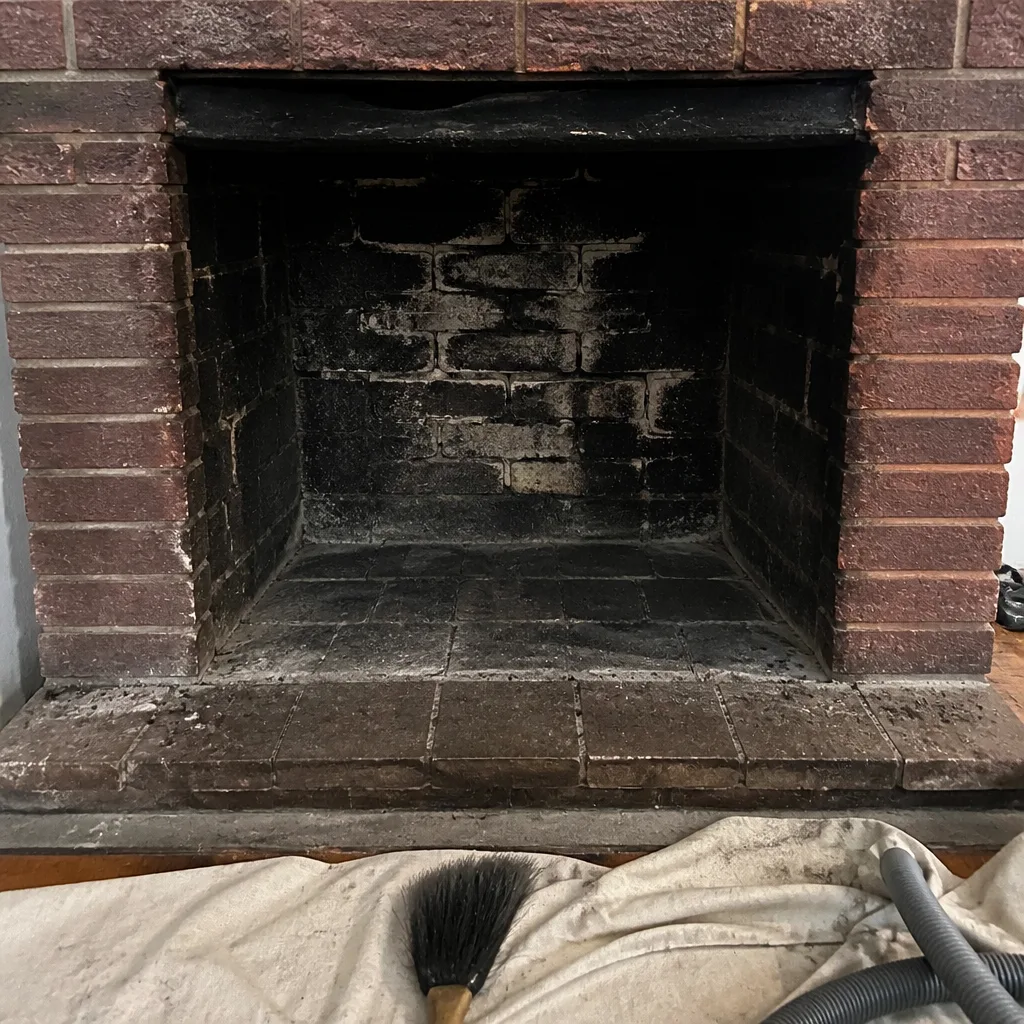 Before
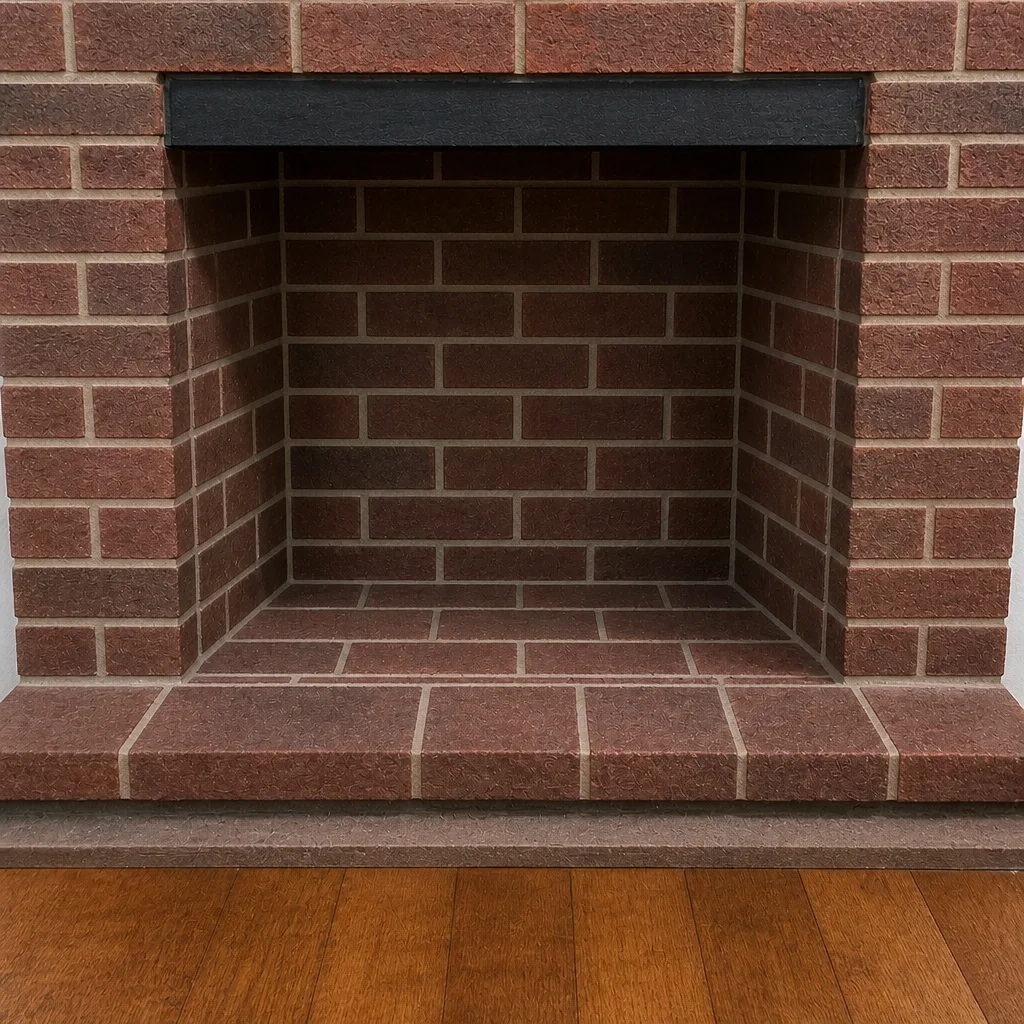 After
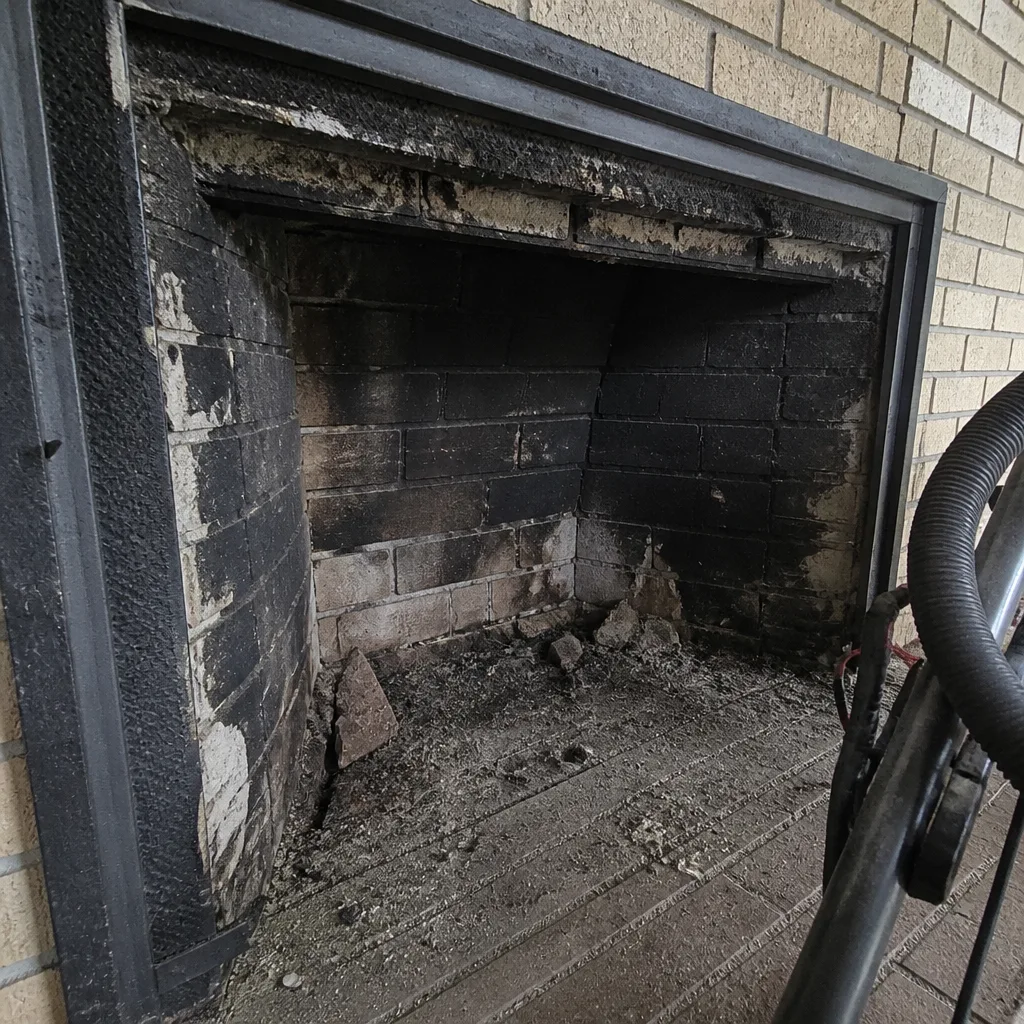 Before
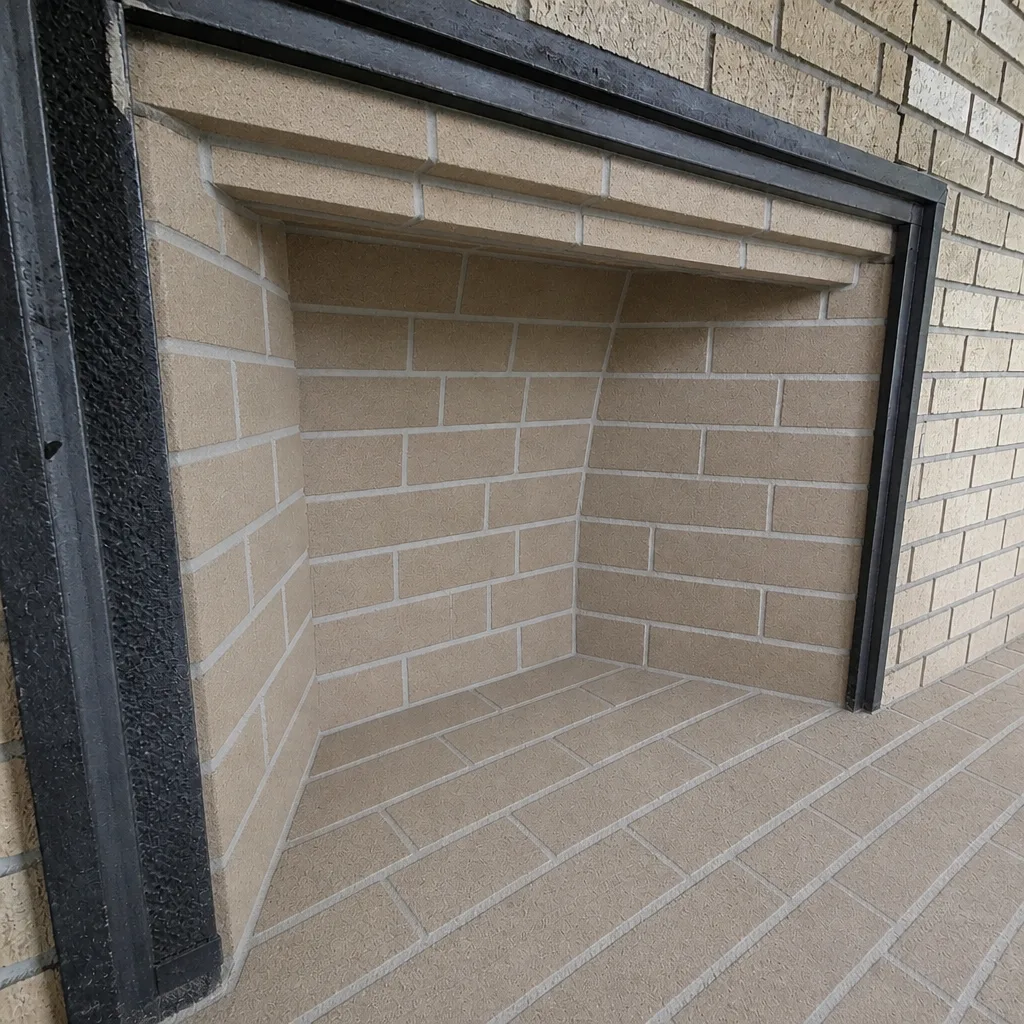 After
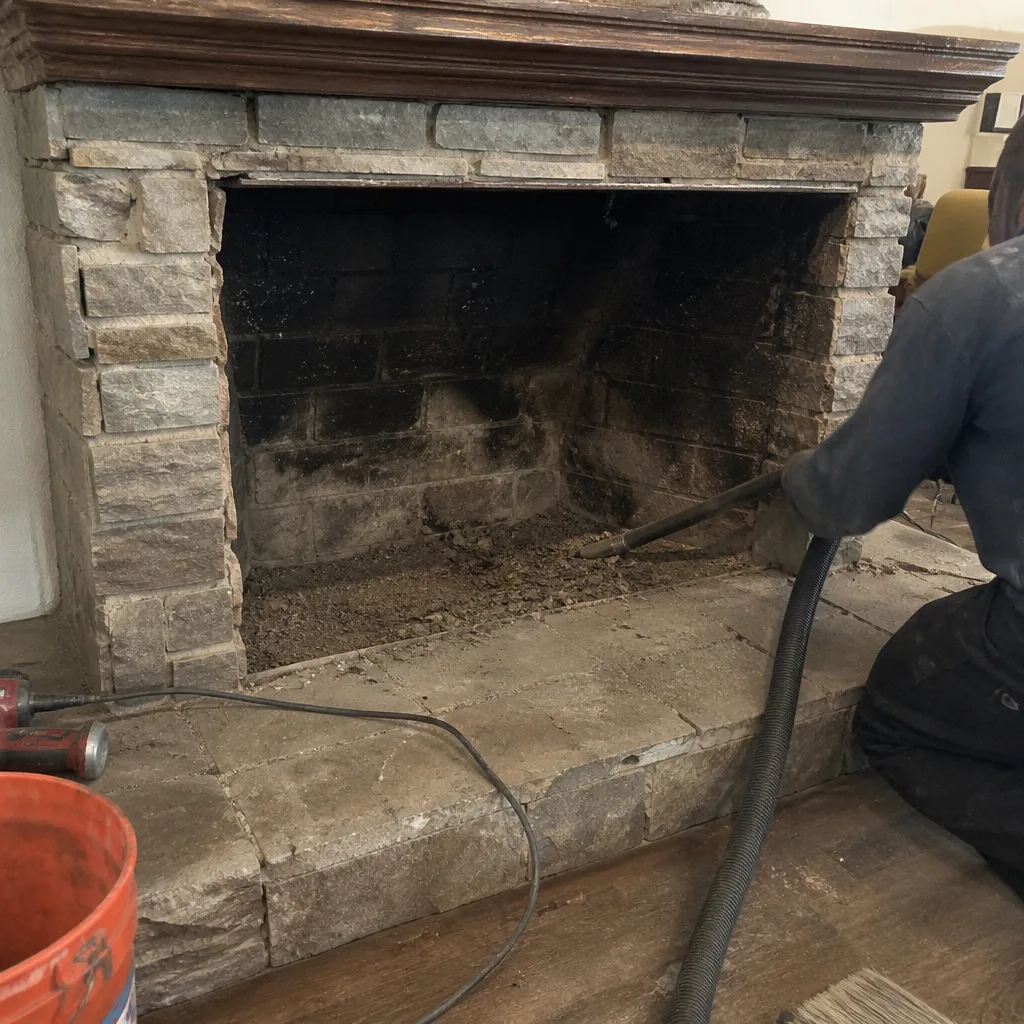 Before
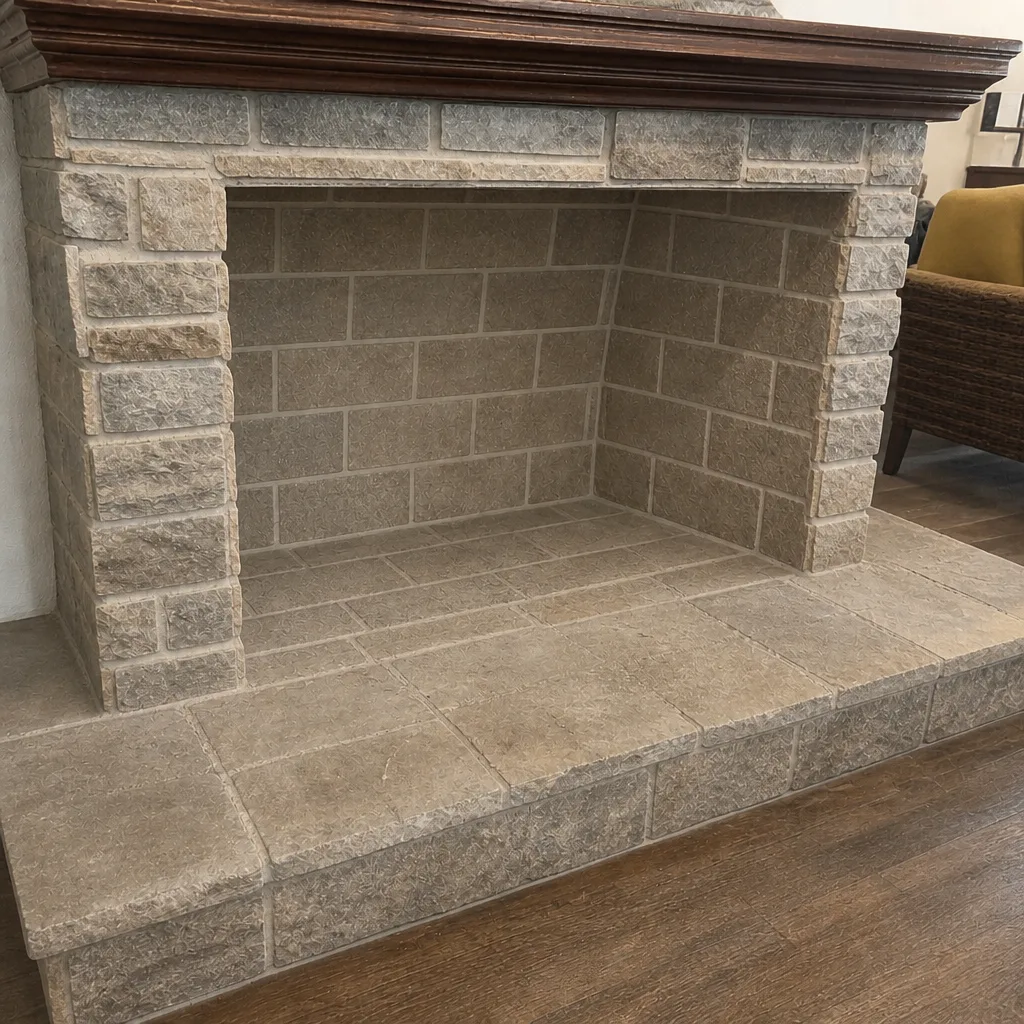 After
When to Call a Professional
Call a specialist rather than a generalist when the problem is in the flue, the firebox, or the exterior structure of the chimney. A sweep and inspection at the start of the heating season is routine. A chimney fire, a sudden drop in draft, a cracked firebox, or damaged masonry is not, and those need a trained eye and likely a permit. The same applies if you’ve switched to a gas insert, are buying or selling, or have never had the flue inspected past what a flashlight can show. The local pro is licensed and insured as their state requires, so you’re working with someone accountable for the work. Chimney Sweep West Valley City offers free estimates in West Valley City. Call (844) 625-7149. We answer 24/7. Fast dispatch from 7am to 7pm, Sunday through Friday. Our technicians have up to 14 years of experience, and the estimate is written flat-price and agreed before any sweep is booked.
Frequently Asked Questions
A Level 1 inspection is typically bundled with a sweep, and a Level 2 inspection costs more because it covers the full flue with a camera and checks the attic and crawlspace. The written estimate sets the final price, and we give you that in writing before anything is booked. The inspection is included with the sweep, along with a camera inspection and photo report, so you can see exactly what we see. Call (844) 625-7149 for an exact quote; estimates are free.
No. Sweeping, annual inspections, and cap replacement are maintenance and do not require a permit in West Valley City. Permits apply to structural work: liner replacement, firebox reconstruction, and full crown rebuilds. If you’re unsure which side your job falls on, call the West Valley City building department and describe the scope; they’ll tell you in minutes whether a permit applies.
It depends on how badly the tile flue is compromised. If the damage is confined to the inner surface and the tiles are still structurally intact, HeatShield flue resurfacing can restore the flue without full replacement and save money. If tiles are cracked through, missing, or displaced, a full liner like DuraFlex is the code-compliant solution. We don’t recommend a liner without showing you the camera evidence first, and we won’t recommend work that can safely wait. Call (844) 625-7149 for an exact quote; estimates are free.
Creosote builds up inside the flue, and a thick enough layer of it can catch fire at high temperature. That’s the real risk, and it’s why NFPA 211 calls for annual inspections. Skipping the inspection also means a failed liner or a crown crack goes unnoticed until it turns into a bigger repair. It doesn’t mean your house is at risk the moment you miss a season, but the risk climbs the longer the flue goes unexamined. Call (844) 625-7149 for an exact quote; estimates are free.
The contractor pulls the permit in almost every case. The permit and inspection exist to protect the homeowner, so you should confirm the permit number before work starts, then keep the sign-off after the inspector closes it. Ask the West Valley City building department to verify the permit and the scope it covers. That check is free, it takes a phone call, and it tells you whether the job is documented.
It can. Insurers can deny a chimney-related claim when the work behind it was never inspected and permitted, because they have no proof the repair met code. The permit and final inspection are your documentation that the liner or structural repair was done to code. That’s the strongest argument for pulling the permit even when the job feels small. Call (844) 625-7149 for an exact quote; estimates are free.
The Bottom Line
Chimney sweeping in West Valley City doesn’t need a permit. Structural work does, and the line runs through liner replacement, firebox reconstruction, and full crown rebuilds. The Utah Residential Code governs what a compliant repair looks like; NFPA 211 governs how a technician inspects and evaluates it. A permit protects you, the homeowner, most of all, because it documents that the work met code when it mattered. Get an inspection before you decide on a repair, get the permit number before work starts, and keep the final sign-off. If the evidence doesn’t support the repair, hold off. We’ll tell you when work can wait.
Your entire chimney system, cleaned, inspected, and repaired by one specialist. We use the same professional-grade brands the industry relies on: DuraFlex, HeatShield, Gelco, and more. Call (844) 625-7149 for a free estimate. We answer 24/7. Fast dispatch from 7am to 7pm, Sunday through Friday. The written flat price is agreed before anything is booked, the inspection comes with a camera report and photos you can see for yourself, and satisfaction is guaranteed.
Written by the team at Chimney Sweep West Valley City.