
Last updated November 25, 2026
 Sweep & inspection
 Caps & crowns
 Flue relining
 Masonry repair
 Gas fireplace service
Level 1 sweep and inspection to the NFPA 211 annual standard - flue, crown, cap, and flashing checked and photographed
Chimney sweep logs do not sweep chimneys. They loosen some creosote - which then falls where a brush and vacuum still have to collect it.
Chimney Sweep Maintenance Checklist for West Valley City Homeowners
A cracked crown, a rusted damper, and a quarter-inch of glaze creosote can all exist in the same chimney at the same time. A homeowner who checks only the flue, or only the cap, has missed the other two hazards entirely. Chimney upkeep isn’t a single chore; it’s a four-season cycle of looking at the whole system, and West Valley City makes that cycle more interesting than most places. Between the valley inversions, the hard freeze-thaw swings along the Oquirrh foothills, and the mix of older ranch homes and newer construction, the way a chimney weathers here differs from what a generic maintenance article assumes. This guide gives you a component-by-component framework: what to inspect each season, what normal looks like, what you can safely check yourself, and when to stop guessing and call a specialist.
Quick Answer
A complete chimney maintenance checklist for West Valley City homeowners runs on four seasons: a September sweep and inspection before heating season, a January mid-season check for draw and creosote, a March post-season inspection for moisture and freeze-thaw damage, and a summer walk-around for caps, crowns, and masonry. Do the visible exterior checks yourself, document what you see, and bring in a professional for anything inside the flue, above the roofline, or behind the brick. An annual sweep plus a Level 1 or Level 2 inspection to NFPA 211 standards is the baseline every wood-burning or solid-fuel chimney in West Valley City needs.
Styles & brands we work with
- Sweep & inspection
- Caps & crowns
- Flue relining
- Masonry repair
- Gas fireplace service
Table of Contents
- Why West Valley City Chimneys Age Differently
- The September Pre-Season Checklist
- The January Mid-Season Check
- The March Post-Season Checklist
- What You Can Safely Check vs. What Needs a Pro
- How to Document Your Chimney Year Over Year
- Common Mistakes to Avoid
- When to Call a Professional
- Frequently Asked Questions
Why West Valley City Chimneys Age Differently
West Valley City sits in the Salt Lake Valley, and the weather that reaches a chimney here works on it in a particular order. Winter cold snaps bring hard freezes, daytime sun warms the south-facing brick, and then night drops it back below freezing. That daily swing is the real enemy. Water soaks into porous brick and mortar, freezes, expands, and cracks the surface a little at a time. Repeat that a few hundred times across a decade and you get the spalling masonry and crumbling mortar that show up on homes throughout the valley.
Then there are the inversions. During the cold months, a layer of warmer air traps colder air in the valley, and smoke lingers. Homes on the west side and toward the far benches of West Valley City often sit inside that layer for days at a time. A chimney that drafts poorly on an inversion day isn’t necessarily failing, but it will tell you something. Reduced draw, smoke curling back into the room, or a stronger-than-usual odor are all early signals that a flue is restricted or that creosote has built up to a point where it changes how the chimney behaves.
Housing stock matters too. West Valley City has a lot of mid-century and late-20th-century ranch and split-level homes with original tile-lined masonry chimneys. Tile flues crack. Mortar joints between tiles erode. Many of these homes have also had a gas insert or a newer wood appliance retrofitted into a flue that was built for something else. That combination is exactly why a checklist should cover the whole system – flue, firebox, damper, cap, crown, flashing, and masonry – rather than one part in isolation.
When you decide it’s time for a full cleaning, a professional Chimney Sweep West Valley City visit starts with the sweep and builds the rest from what it finds. That’s the point of the checklist below: it teaches you to observe the same components a specialist examines.
The September Pre-Season Checklist
September is the right month for West Valley City because it’s before you light the first fire and before the first hard freeze. A chimney that gets looked at now can be repaired in mild weather rather than in January. Do this checklist in order, outside first, then inside.
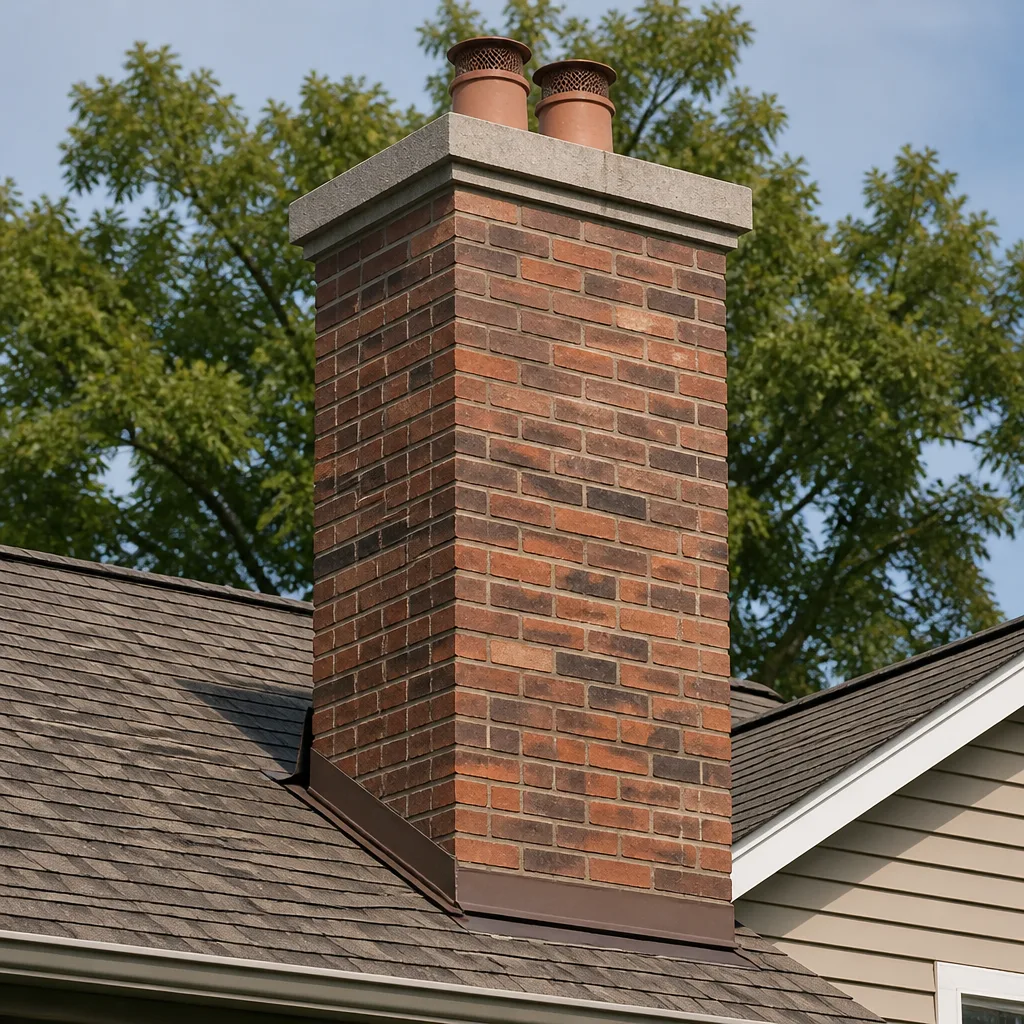
- Walk the exterior masonry. From the ground, scan the chimney chase for brick that looks flaky, crumbly, or missing chunks. Those are spalling signs. Check the mortar joints for soft or recessed mortar. Loose brick at the top of the stack is a real hazard and needs a professional.
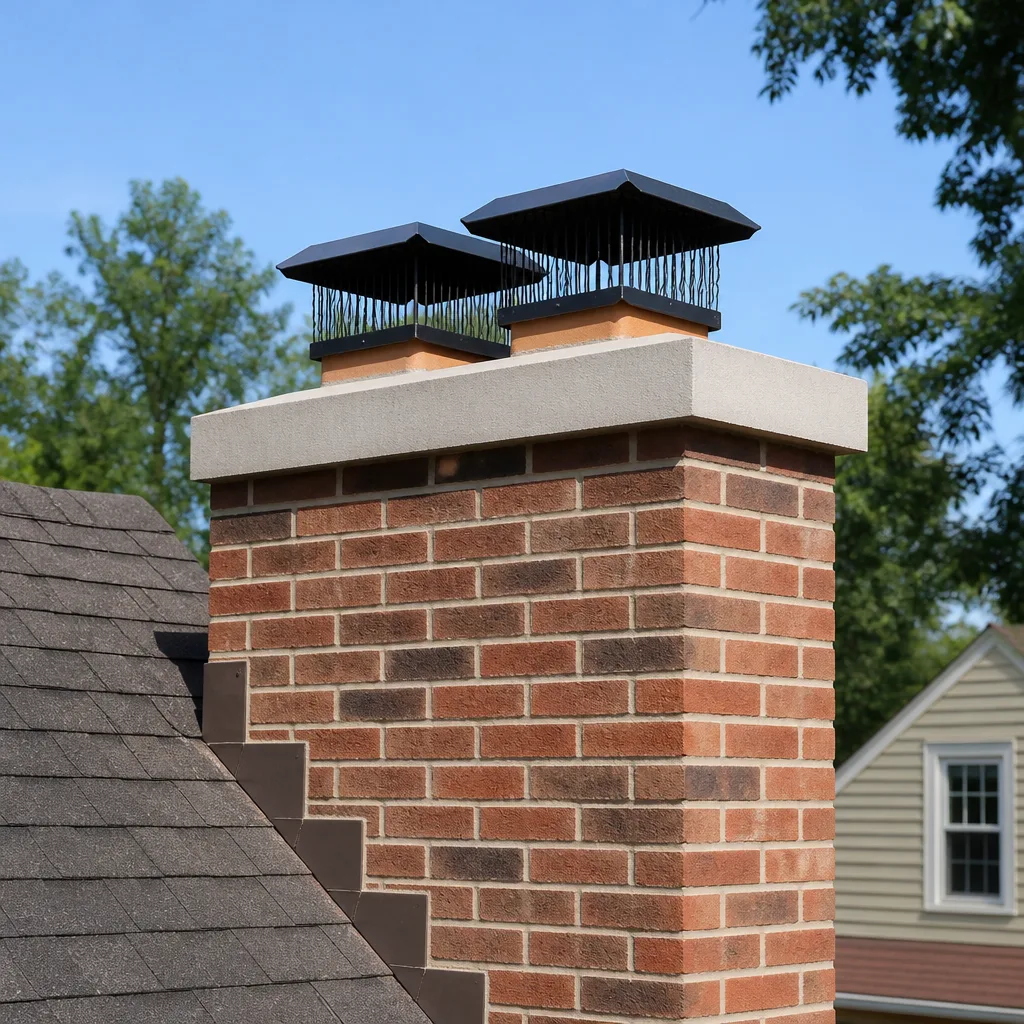
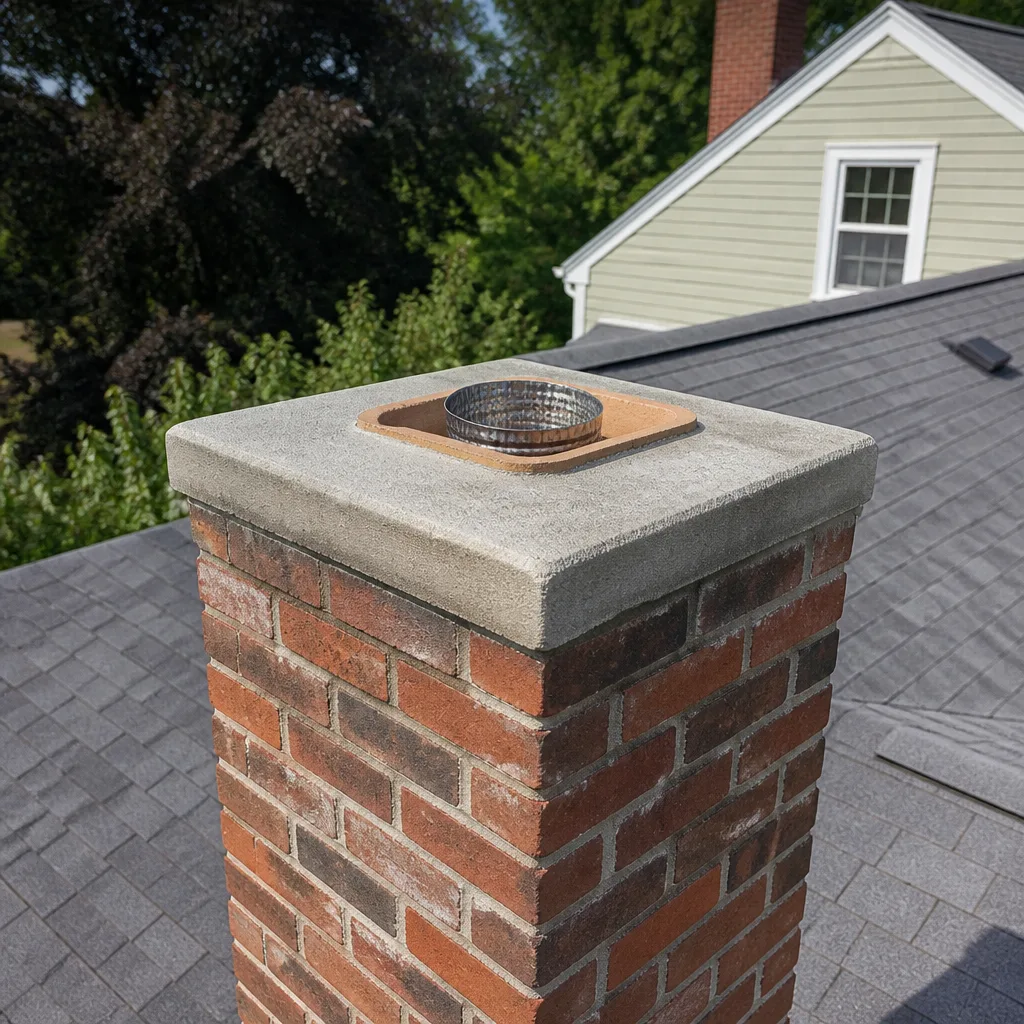
- Inspect the crown from a safe angle. The crown is the concrete or masonry cap on top of the chimney. Look for cracks, especially where the crown meets the flue tiles. A cracked crown is one of the most common causes of water infiltration in West Valley City homes.
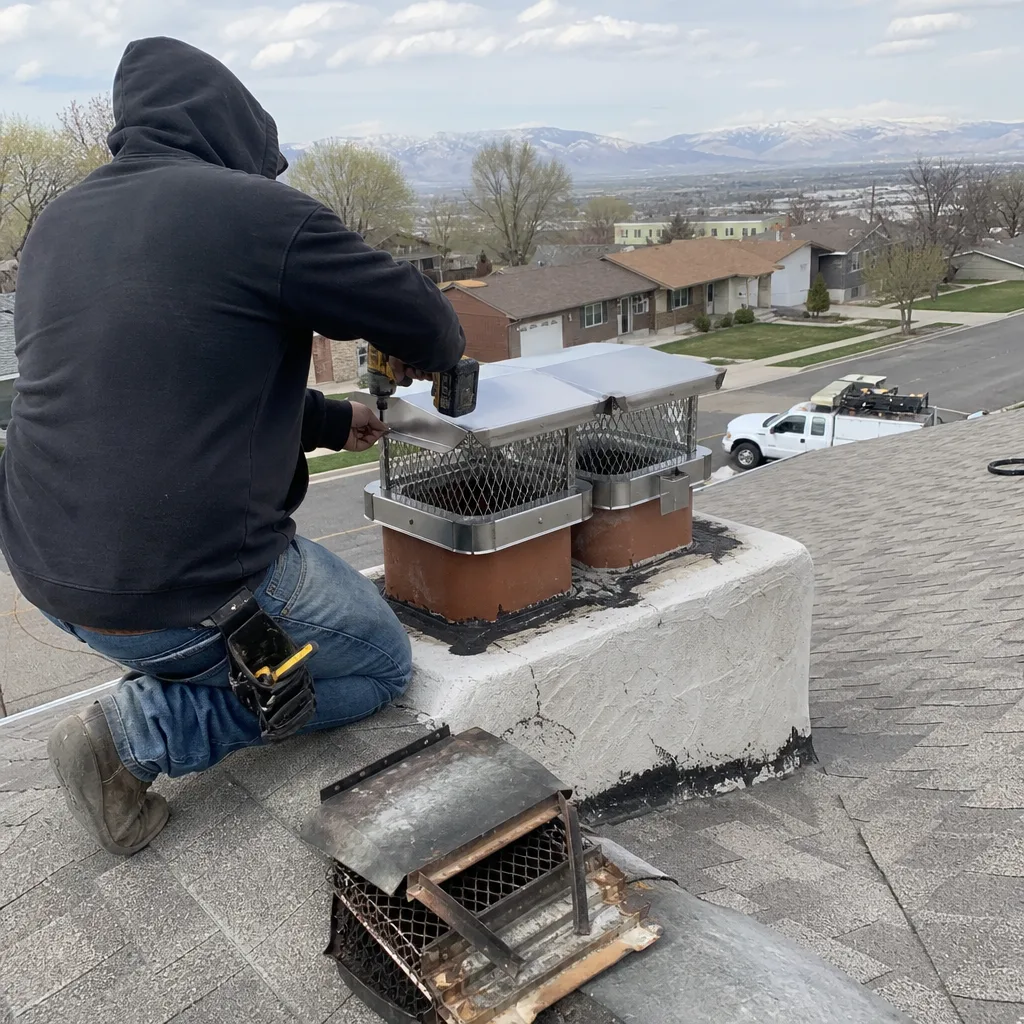
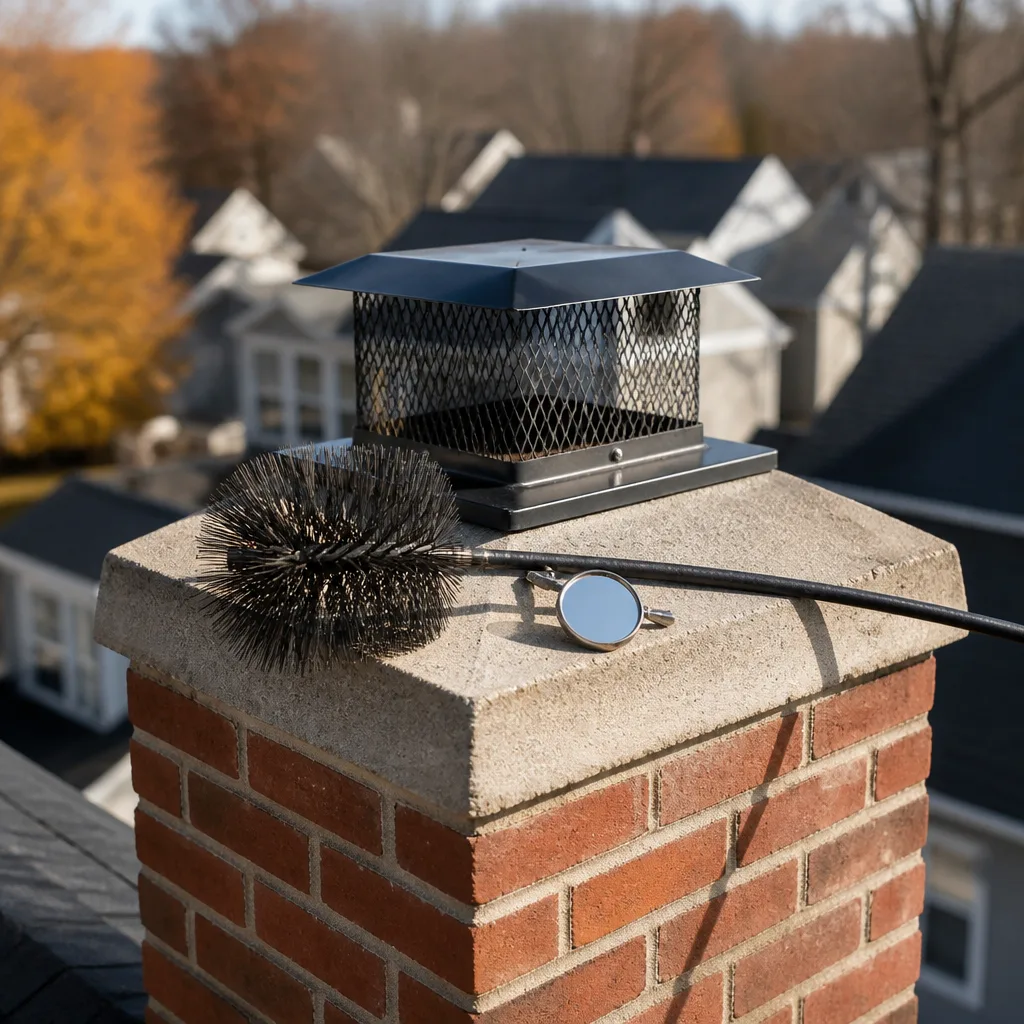
- Check the cap and spark arrestor. The cap should be intact, securely attached, and free of rust-through. The spark arrestor mesh should be clear of debris and bird nests. A missing or damaged cap lets rain, snow, squirrels, and birds straight into the flue.
- Look at the flashing. The metal flashing where the chimney meets the roof is the transition where most leaks start. Look for lifted edges, gaps, cracked sealant, or rust.
- Test the damper from inside. Open and close the damper by hand. It should move smoothly and seat fully. A damper that’s stuck open wastes heat; one that’s stuck closed won’t let smoke out.
- Look up the flue with a flashlight. From the firebox, shine a light up the flue and look for heavy creosote buildup, cracked tile, or gaps in the mortar joints between tiles. If you can’t see clearly, that’s a job for a camera.
- Check for animal nests and debris. A nest near the top of the flue is a fire risk and a draft blocker. If you can’t see the top of the flue from below, the cap should be opened and checked by a specialist.
- Book the sweep and inspection. A September sweep leaves the chimney clean before the first fire. This is when we book the most West Valley City appointments, so getting on the calendar early is worth it.
If the exterior checks turn up cracked crowns, missing caps, or deteriorated masonry, that’s the moment to schedule chimney cap & crown work rather than wait for a leak. Purpose-built components from brands like Gelco and Olympia Chimney are made to hold up to weather in a way that hardware-store caps generally don’t.
The January Mid-Season Check
By January, your chimney has been burning for a few months and the valley inversions are at their thickest. This mid-season check isn’t a cleaning – it’s an observation pass. You’re looking for changes that mean the chimney needs attention before the season ends.
The odor test
On an inversion day, when the air outside is still and smoke hangs low, step into the room with the fireplace. A faint woodsmoke smell is normal. A sharp, acrid, or strong smoky odor that wasn’t there in the fall is a signal. It can mean creosote buildup has reached a stage where it’s off-gassing, or it can mean the flue is partially restricted. Either way, it’s a reason to book an inspection.
Smoke draw behavior
Watch how smoke behaves when you first light a fire. It should rise straight up and exit cleanly. If smoke spills into the room, curls back, or takes several minutes to establish upward draw, that’s a sign the flue is cold, obstructed, or losing pressure to other exhaust fans in the house. Under inversion conditions, poor draw is even more pronounced. Note what you see and when – it’s useful information for a specialist.
Visible creosote at the firebox
Shine a light up the flue from the firebox and look at the first several feet. Glossy, hard, tar-like buildup is stage 3 creosote and is the highest fire risk. Fluffy, sooty buildup is stage 1 and less urgent. If you see glaze anywhere, don’t burn again until it’s swept. Creosote ignites, and a chimney fire inside a tile flue can crack tiles and start a house fire inside the wall.
Carbon monoxide awareness
Any fuel-burning appliance, including a wood stove or gas insert, produces carbon monoxide. This is why working CO alarms on every level of the home are non-negotiable. If your alarm sounds, leave the home and call the fire department, then have the chimney inspected before using it again. We treat CO as a safety line, not a sales pitch.
Book before the backlog
Late January and February fill up fast for West Valley City sweeps. If your observations raise any concern, schedule a chimney sweep before spring. A clean flue at the end of the season is safer than a dirty one sitting all summer.
The March Post-Season Checklist
March is the most underrated inspection month on the calendar. Once you’ve stopped burning for the season, the chimney has been through a full winter of freeze-thaw cycles and is in the best position to show you the damage. Do this checklist before you lose interest in the chimney until fall.
- Look for moisture intrusion. Damp patches on the ceiling near the chimney, water stains on the brick inside the attic, or rust stains on the metal parts of the fireplace all point to a leak. Most of these start at the crown, cap, or flashing.
- Check for efflorescence. White, chalky, powdery staining on the exterior brick is efflorescence – mineral salts pushed to the surface as water moves through the masonry and evaporates. It’s not damaging on its own, but it’s a reliable sign that water is getting where it shouldn’t.
- Inspect the flashing again. The freeze-thaw cycle is the cruelest to flashing. Sealant that looked fine in September may have cracked and lifted by March. Lift the edge with a putty knife if you can reach it safely – if the metal moves, it needs attention.
- Check exterior mortar joints. Winter is when soft mortar finally crumbles out of the joints. Walk the perimeter of the chimney chase and look for missing or recessed mortar, especially near the top third of the stack.
- Look for spalling brick. Bricks with their face popped off, or piles of brick chips at the base of the chimney, mean freeze-thaw has been working on this chimney for a while. This calls for structural repair, not a maintenance pass.
- Test the damper again. It may have seized over winter with disuse. Work it open and closed a few times. If it sticks, a professional can clean and adjust it.
- Photograph everything you see. You’ll want the reference photos in September. More on that below.
If spring inspections turn up a crown that’s cracked or a cap that’s rusted through, repairing it now costs far less than repairing water damage to the ceiling or walls. If the flue itself is compromised – cracked tiles, eroded joints, or glaze creosote that won’t sweep out cleanly – liner work becomes part of the conversation. DuraFlex flexible liner systems are UL-listed for wood, gas, and oil appliances, which matters for older West Valley City chimneys that were built before anyone planned to run a gas insert through them. HeatShield flue resurfacing is another option; it restores a structurally compromised tile flue without the cost of full relining.
What You Can Safely Check vs. What Needs a Pro
Homeowners can – and should – do a lot of chimney observation. But there’s a line, and the line is about both safety and accuracy. A visual check from the ground doesn’t tell you what a camera sees inside the flue. And getting up on a steep roof to inspect a crown is a genuine safety risk that no maintenance checklist is worth.
Safe for a homeowner
- Exterior visual inspection from the ground with binoculars
- Crown condition from a safe angle, no climbing
- Cap and spark arrestor presence and general condition from the ground
- Damper operation from inside the firebox
- Flashlight inspection of the flue from the firebox, first few feet only
- Checking for water stains, rust, and efflorescence inside the home and on exterior brick
- Testing smoke and carbon monoxide alarms monthly
- Cleaning ash from the firebox between fires (into a metal container, away from the house)
Needs a professional
- Anything above the roofline – crown repair, cap installation, masonry work
- Full-flue inspection, which requires a chimney camera
- Creosote removal, especially glaze stage 3 creosote
- Any masonry repair, spalling brick, or mortar repointing
- Flue crack assessment and liner decisions
- Chimney fire damage of any kind
- Firebox or fireplace repair, including damper replacement and refractory panel repair
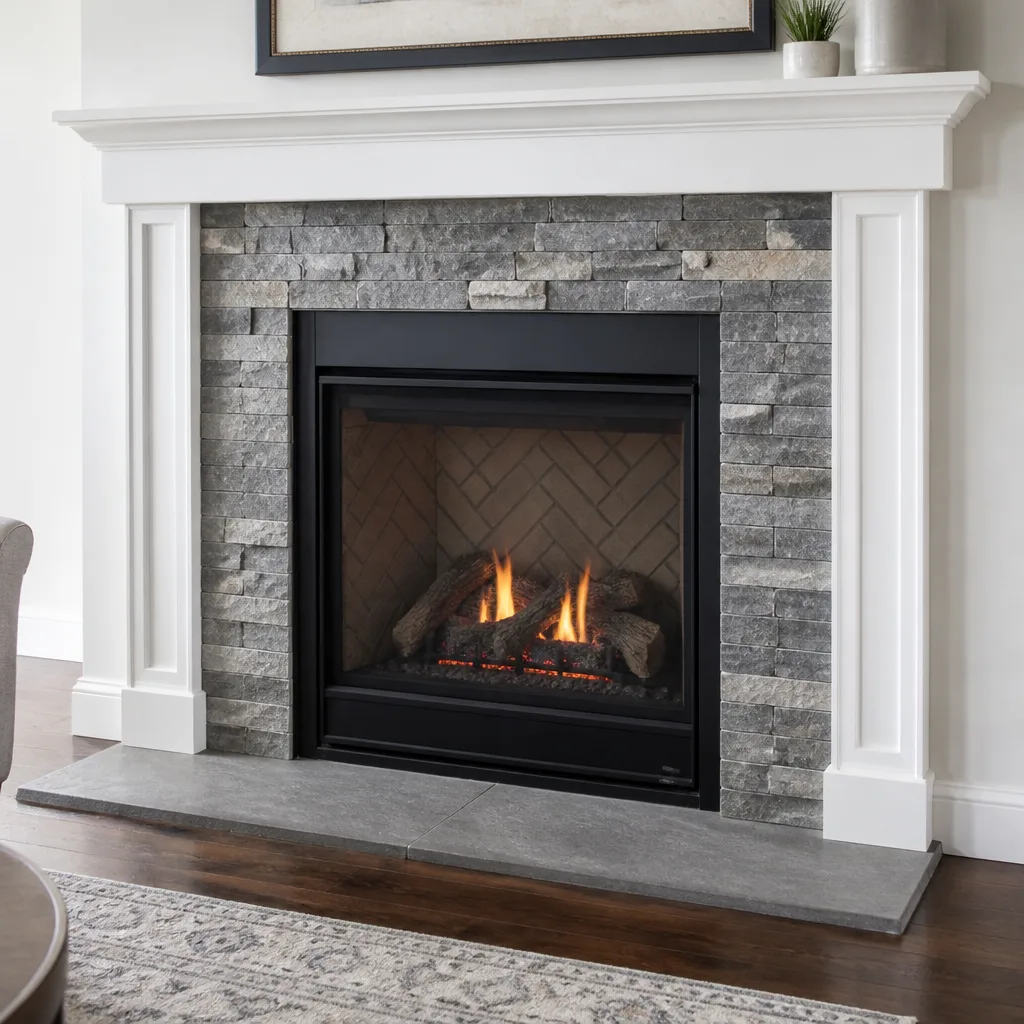
- Any gas appliance chimney work, including insert installation checks
- Carbon monoxide concerns beyond checking the alarms
What a professional brings that a homeowner can’t is a camera inspection with a photo report. In our experience, that’s the honest way to have this conversation: we show you the inside of the flue, we tell you what we see, and we tell you what can safely wait. A sweep is a starting point. A full inspection tells you what the sweep can’t. If the inspection points to firebox or damper issues, we schedule fireplace repair and show you the work in photos before and after.
How to Document Your Chimney Year Over Year
Chimneys change slowly. That’s what makes them hard to judge. A crack that looks catastrophic might have been there for a decade. A mortar joint that looks fine might be one winter away from crumbling. The single biggest improvement you can make to your chimney care is to start a simple log and keep it going across the years. When you show a sweep a documented history, they can tell you what’s actually changed – and that’s a very different conversation than a cold inspection with no baseline.
Here’s the framework we recommend for West Valley City homeowners:
- Start with a photo baseline. Take labeled photos of the exterior chimney, the crown, the cap, the flashing, and the firebox at each seasonal check. Use your phone and name the files by month and year (for example: “chimney-crown-2026-03.jpg”). If a photo shows a concern, note the concern in writing.
- Log the sweep and inspection dates. Note what the sweep cleaned out, and whether the inspector classified the inspection as Level 1 or Level 2 to NFPA 211. Keep the written report with your photos.
- Note every repair with its date and material. If the crown was repaired, note what product was used (for example, a Gelco or Famco cap or crown component) and when. If liner work was done, note the liner brand (for example, DuraFlex) and the install date.
- Record your observations, not conclusions. Write down what you saw (“white chalky stains on west face of brick”), not what you think it means. Let the specialist interpret.
- Review the log with your sweep before each inspection. Hand off the log. Point to anything that’s changed since last year. This is exactly the information that separates a routine inspection from a targeted one.
We use Copperfield brushes and professional-grade tooling for cleanings and inspections, and we build a photo report into the visit so that your record is as good going forward as it could be from history. When we hand you a camera report, add it to the log. Over a few years, that log becomes a genuine asset on your West Valley City home – especially if you ever sell.
Common Mistakes to Avoid
- Only looking at the flue. A dirty-but-intact flue doesn’t tell you the crown is cracked or the cap is gone. A chimney has at least six components you have to look at, and flue condition is just one. We recommend a full-system inspection because a partial check misses fires before they start.
- Skipping the March inspection. West Valley City’s freeze-thaw cycle does most of its damage between December and March. If your last inspection was in September, you’re making decisions on a six-month-old picture. Spring inspections catch winter damage before it becomes a spring leak.
- Assuming an older chimney is safe because it “worked fine before.” Chimneys fail from the outside in, and the changes are slow. A liner that was fine last year can be compromised this year. It’s why we always recommend a camera inspection before relying on your chimney for the next season.
- Using a generalist for cap or liner work. A general handyman can clean a chimney but usually can’t install a code-compliant liner or fabricate a crown that will hold up to weather. Getting the right product matters as much as the labor.
- Burning wet wood. Green or damp wood produces more creosote than seasoned firewood. Anything that smolders instead of burning hot is adding to the deposit load on your flue. Ask the supplier for seasoned wood and store it dry.
- Sealing up a chimney fire without repair. If you’ve had a chimney fire, the flue needs repair before you burn again. A chimney fire can crack tiles and compromise joints in ways that aren’t visible from below. Don’t assume the fire going out is the end of the story.
- Treating garage-store chimney products as equivalent. Cheap caps rust out in a couple of winters, and off-the-shelf crown repair compounds fail within a season on a freeze-thaw chimney. Purpose-built components cost more up front and last far longer. Choose brands built for the job.
When to Call a Professional
Some chimney conditions are a “watch and log” situation, and some are a “stop using the fireplace and call” situation. Get familiar with the second list, because a homeowner who reacts quickly to those conditions prevents the expensive problems. Call us if any of the following is true:
- You see or smell signs of a chimney fire, past or present
- Smoke is spilling back into the room during normal burning
- You see glossy, tar-like creosote at or near the firebox
- Your carbon monoxide alarm has gone off
- The crown is cracked, the cap is missing or damaged, or the flashing is loose
- Masonry is spalling, mortar joints are missing, or brick is loose above the roofline
- There’s water staining on the ceiling or walls near the chimney
- You’ve never had a camera inspection on a chimney older than a few years
- Your last inspection or sweep was more than a year ago
If you’re in any of those categories, don’t guess. Chimney Sweep West Valley City offers free estimates in West Valley City – call (844) 625-7149. Every visit includes a camera inspection and photo report so you can see what we see. We tell you what needs doing now, what can wait until spring, and what just needs watching. The written estimate sets the price before any work starts.
Frequently Asked Questions
Once a year is the baseline for a wood-burning chimney, and the best time is September before heating season. If you burn frequently or use a solid-fuel appliance, the NFPA 211 standard recommends an inspection at least annually and a sweep when creosote buildup reaches a quarter-inch or more. If you’ve had a chimney fire, a gas appliance change, or a structural concern, that’s “sweep now” territory regardless of the calendar. Call (844) 625-7149 for an estimate – it’s free.
A sweep removes creosote and debris from the flue; an inspection assesses the condition of the whole chimney system. A Level 1 inspection covers the readily accessible portions of the chimney – typical at each annual sweep. A Level 2 inspection follows a change in appliance, a chimney fire, a real estate transaction, or an ongoing problem, and it includes a camera inspection of the flue. We follow the NFPA 211 standard for both. A sweep without an inspection tells you the flue is clean; an inspection tells you what the sweep found.
Removing creosote, especially glaze-stage creosote, requires professional-grade brushes and skills, and the flue inspection that should always accompany a sweep requires a camera. What we’d say is: do the observation pass yourself – the ground-level exterior check, the damper test, the flashlight look at the firebox – and let a specialist do the cleaning and the camera work. That split gives you real awareness without putting you on the roof or in a flue with a shop vacuum.
Because the Salt Lake Valley sits in a spot where freezing nights and warm sunny days trade off through most of the winter. Each swing pulls water into the brick and mortar and pushes it back out. Repeat that across a decade and the softer parts of the masonry break down. It’s the reason March inspection is worth doing here – to catch mortar and crown damage before it spreads.
NFPA 211 is the national standard that sets how chimneys, fireplaces, vents, and solid-fuel appliances are to be constructed, maintained, and inspected. It applies to every wood-burning or solid-fuel chimney in every home. When we say a chimney is inspected to a Level 1 or Level 2 standard, that standard is NFPA 211. It’s the benchmark to name when you’re comparing estimates – not the vague phrase “up to code.”
Sometimes, yes. HeatShield is a proprietary resurfacing system that restores a structurally compromised tile flue from the inside without the cost of full liner replacement. It’s the right answer for some flues and not the right answer for others, and the only way to know is a camera inspection. Where the flue has offsets or needs a full liner, DuraFlex flexible stainless liners are UL-listed for wood, gas, and oil appliances and are the standard professional solution. Either way, we show you the photos and the price first. Call (844) 625-7149 for a free estimate.
The Bottom Line
A chimney that gets checked on all four sides of the calendar will outlast one that only gets swept. September’s inspection catches the year’s wear. January’s observations tell you if the flue is behaving differently under inversion conditions. March’s inspection catches the winter damage. And throughout, the log you keep gives every professional who looks at the chimney a baseline to work against. West Valley City’s freeze-thaw cycles and winter inversions make full-system attention more important here, not less. Skip the guessing, do the observable checks, book the sweep, and call when something looks wrong.
Call (844) 625-7149 today for a free estimate. We answer 24/7. Fast dispatch from 7am to 7pm, Sunday through Friday. One specialist for the sweep, the inspection, the cap and crown, the liner, and the fireplace – and a photo report so you can see exactly what the camera finds. Our technicians have up to 14 years of experience, and every visit uses professional-grade products from DuraFlex, HeatShield, Gelco, Olympia Chimney, Famco, and Copperfield.
Written by the team at Chimney Sweep West Valley City.
See the difference
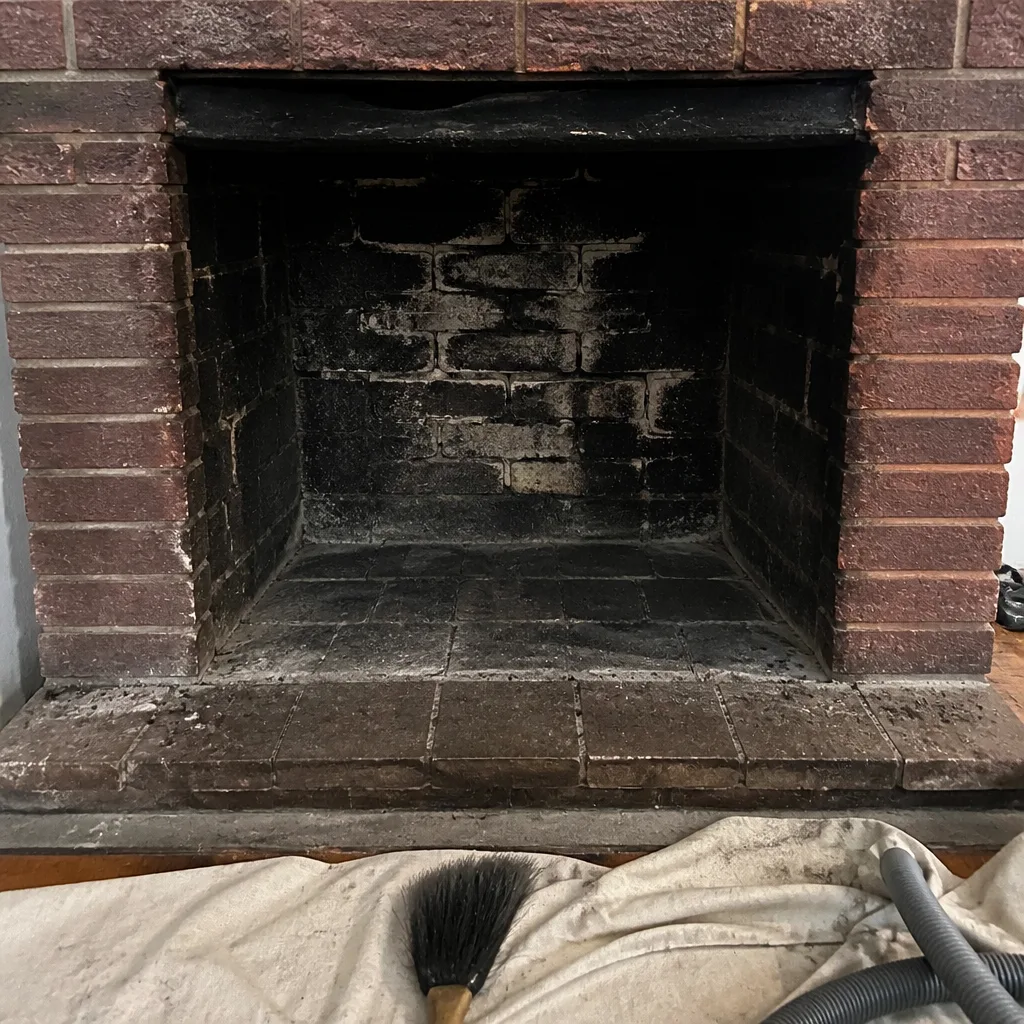 Before
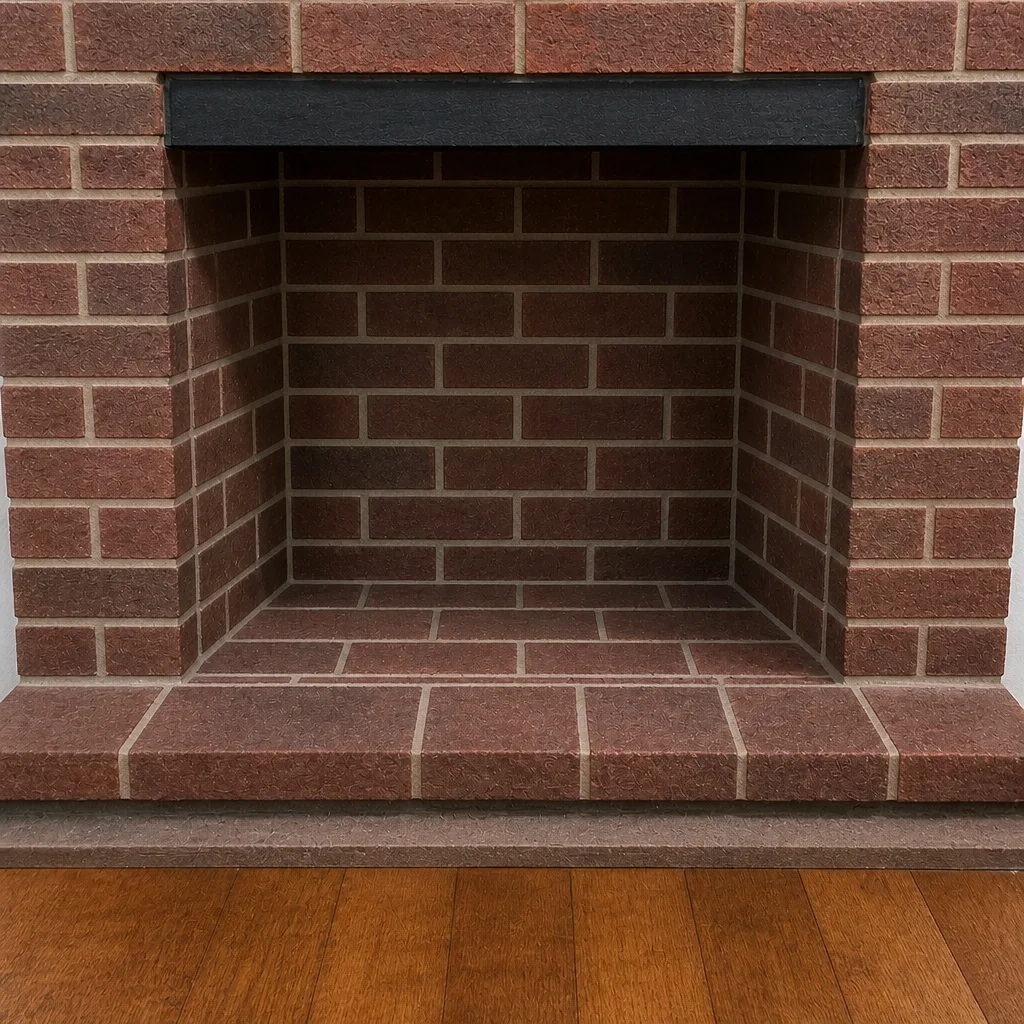 After
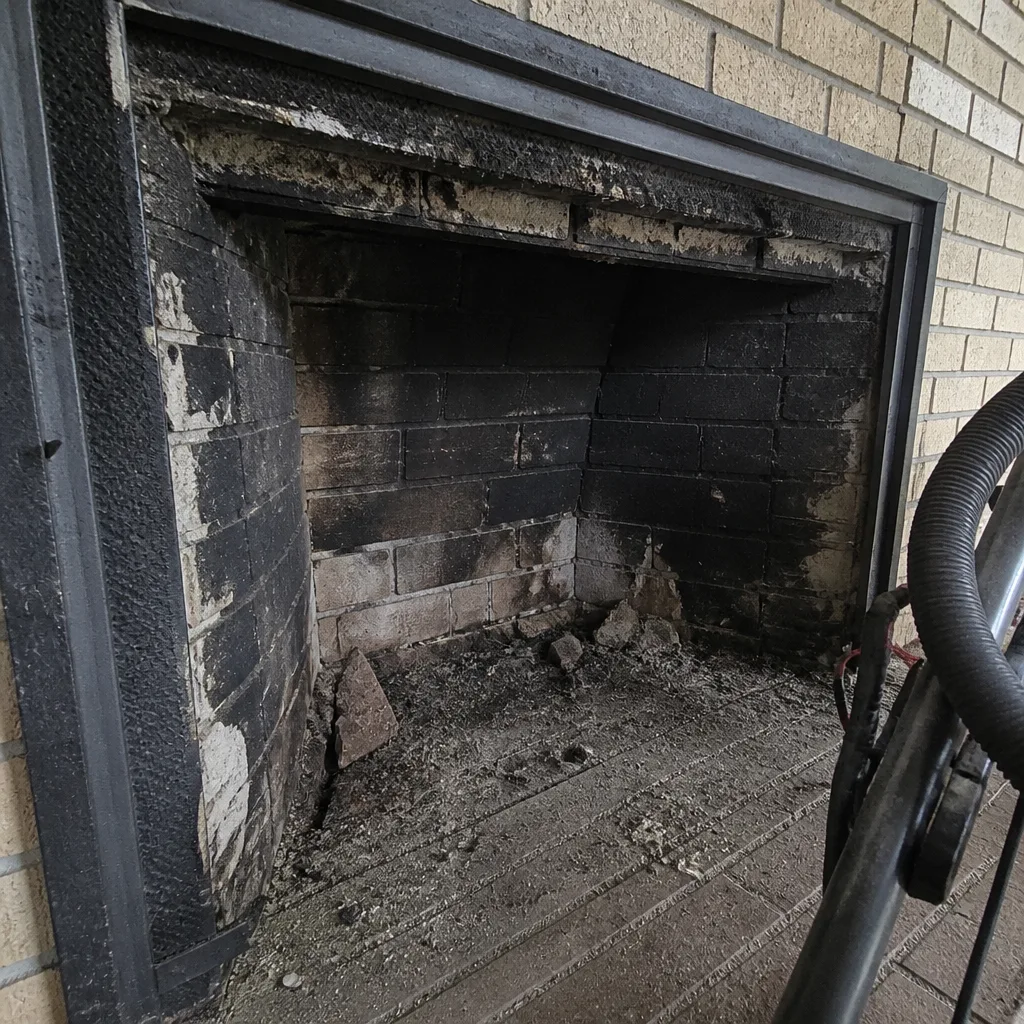 Before
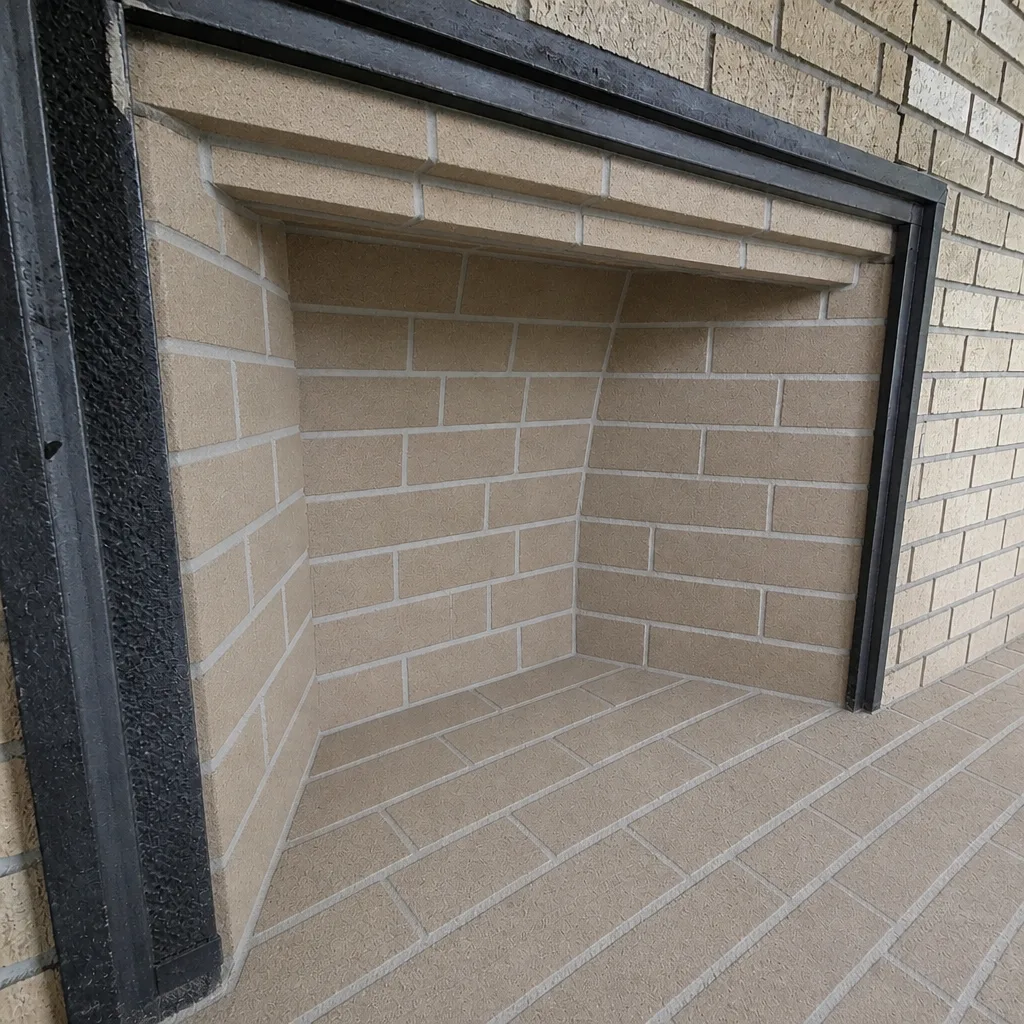 After
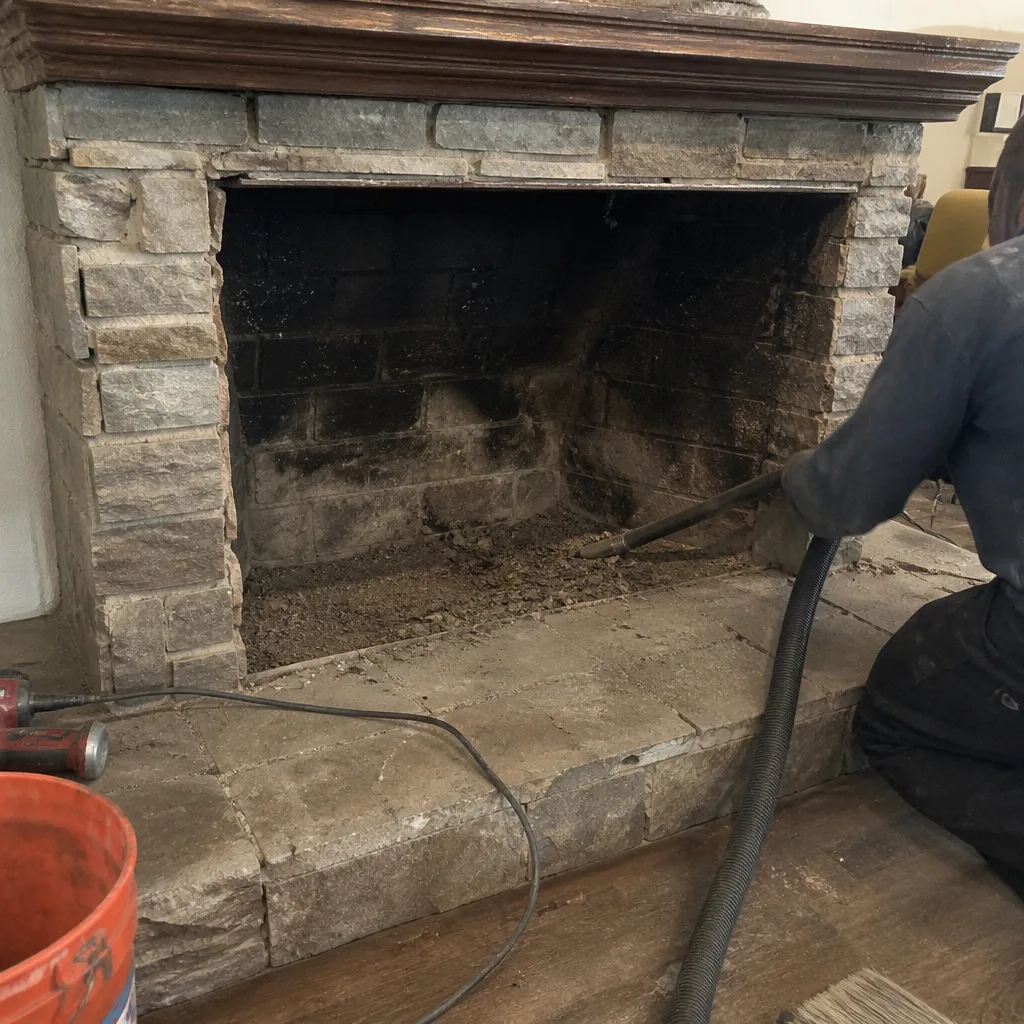 Before
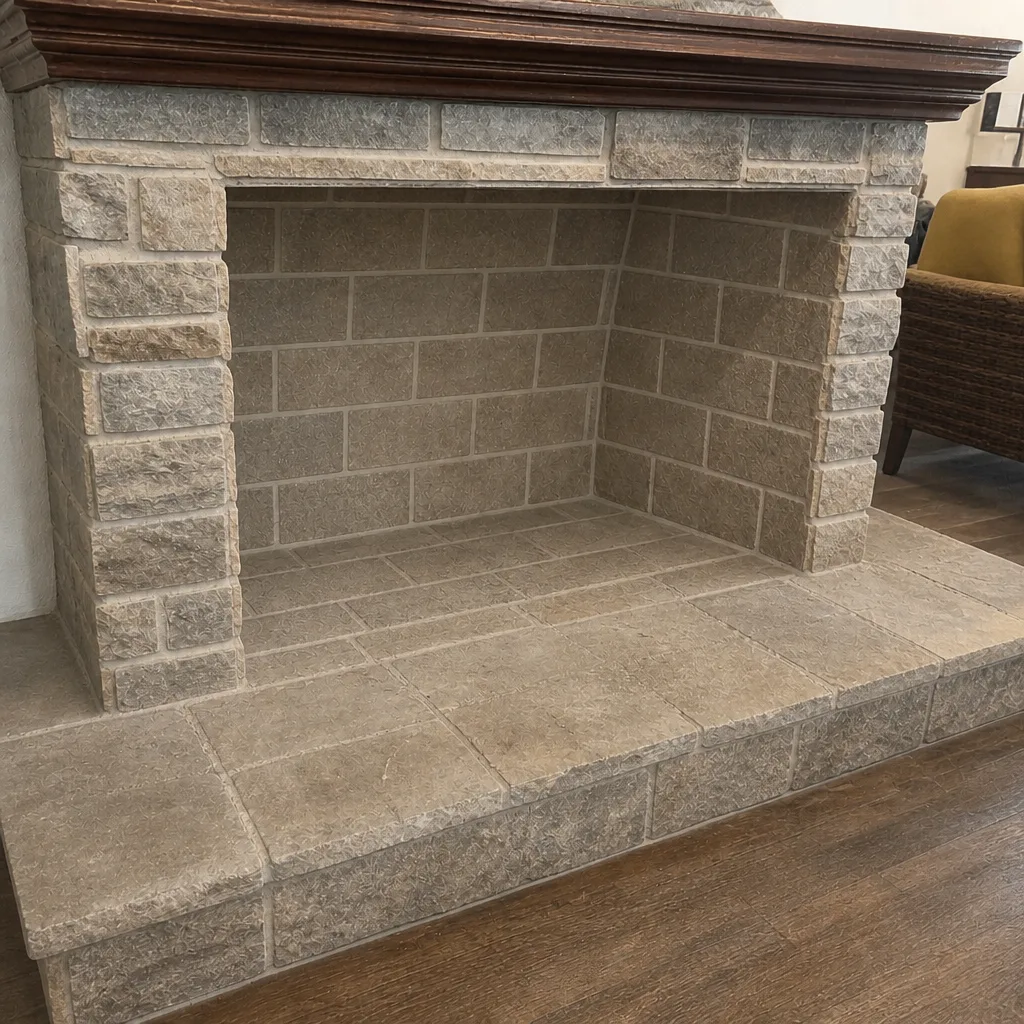 After