
Last updated November 25, 2026
 Sweep & inspection
 Caps & crowns
 Flue relining
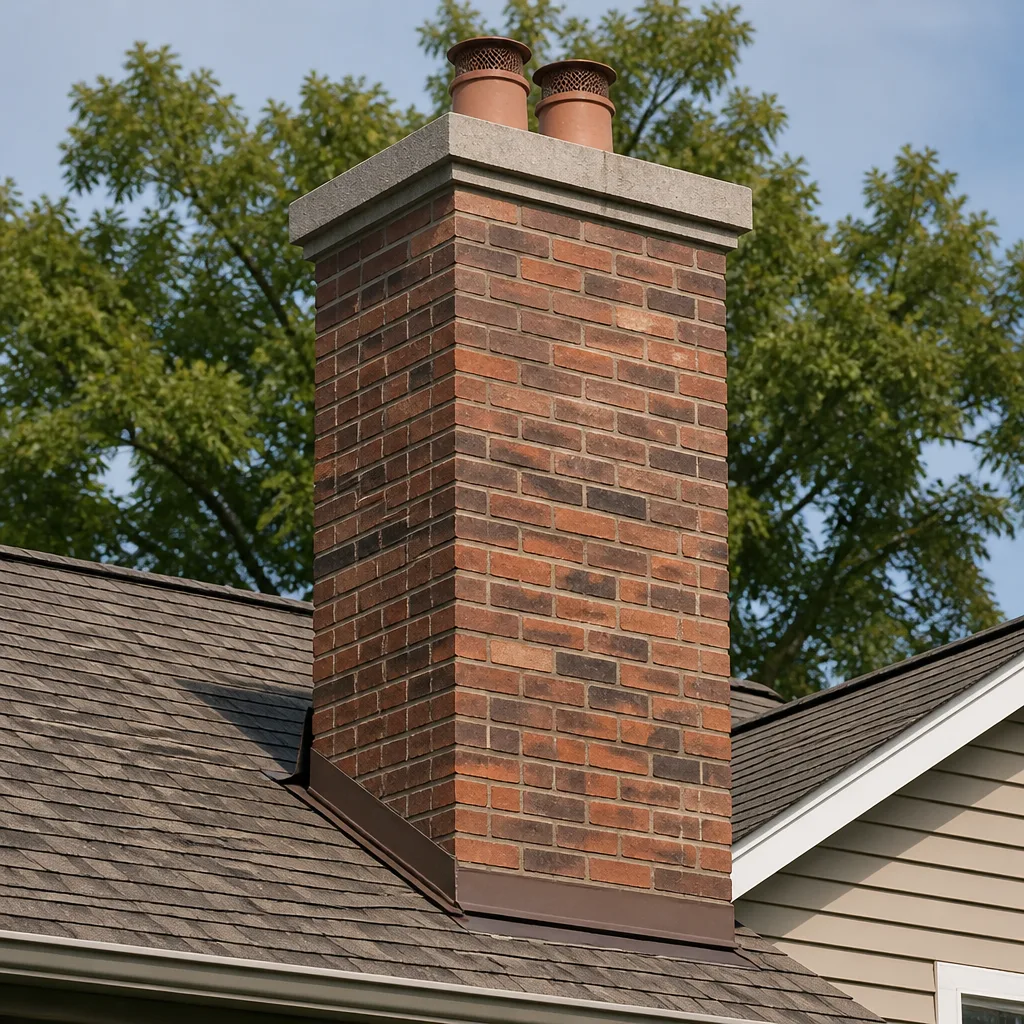 Masonry repair
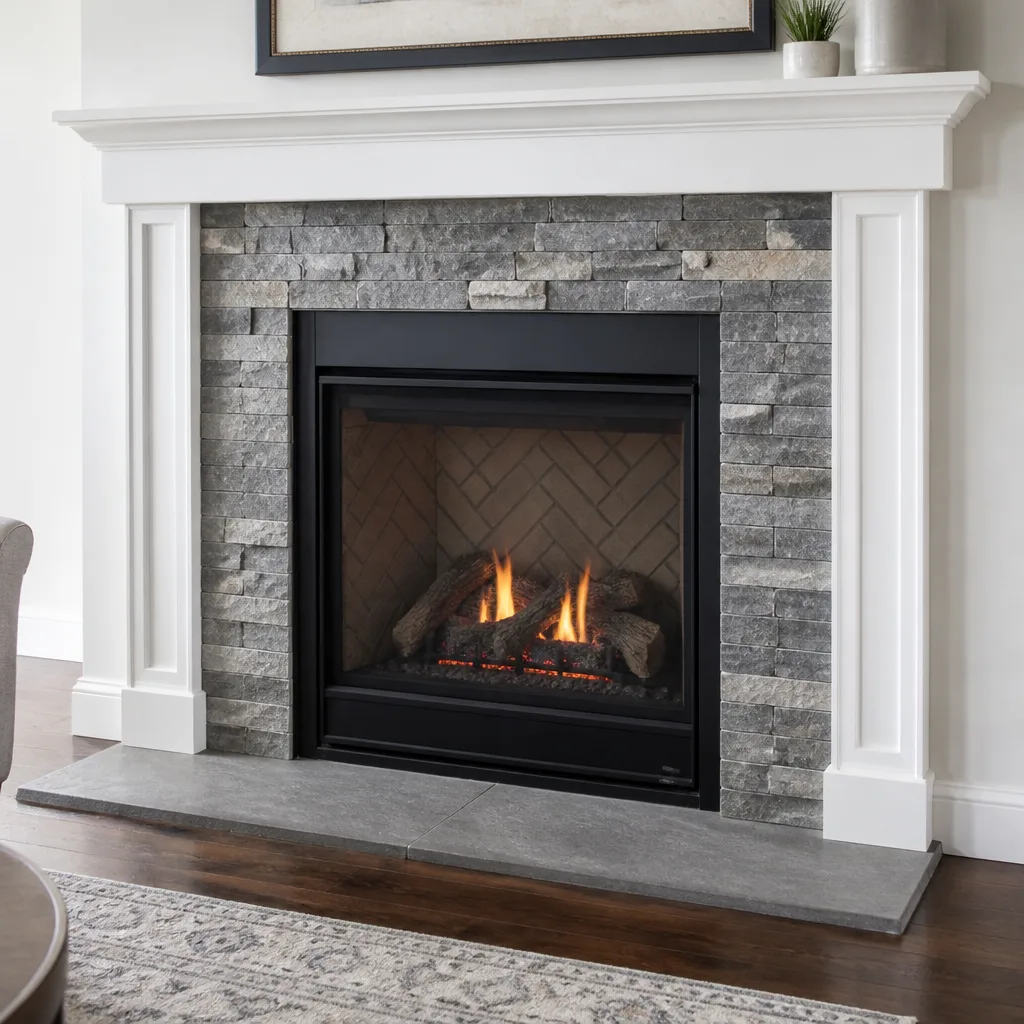 Gas fireplace service
Level 1 sweep and inspection to the NFPA 211 annual standard - flue, crown, cap, and flashing checked and photographed
Chimney sweep logs do not sweep chimneys. They loosen some creosote - which then falls where a brush and vacuum still have to collect it.
The Complete Guide to Chimney Cleaning in West Valley City
Most people assume a chimney sweep is one job: run a brush down the flue and call it done. In practice, a chimney is a system, and cleaning is only the first step of understanding it. The part that burns is the firebox. The part that carries smoke is the chamber and flue. The part that keeps water and animals out is the cap and crown. Skip any one of those and the fire you build on a cold evening is only as safe as its weakest layer.
This guide is written for West Valley City homeowners who want to understand their own system before anyone shows up with a brush. We’ll cover how Utah’s burning season builds creosote faster than most national advice assumes, what the three NFPA 211 inspection levels actually mean, how clay tile and stainless liners wear differently, and the red flags that should stop you lighting a fire until a specialist looks.
Quick Answer
Chimney cleaning in West Valley City means a full-system sweep: firebox, smoke chamber, damper, smoke shelf, flue liner, and an assessment of the cap and crown, followed by a camera inspection and photo report. It’s not a brush pass through one flue. A proper sweep tells you what condition your whole system is in and whether the chimney is safe to use before winter.
Styles & brands we work with
- Sweep & inspection
- Caps & crowns
- Flue relining
- Masonry repair
- Gas fireplace service
Table of Contents
- Why West Valley City Chimneys Build Creosote Faster
- What a Full-System Sweep Actually Includes
- Level 1, 2, and 3 Inspections: Which Do You Need?
- Clay Tile vs. Stainless Steel Liners
- How Much Does a Chimney Cleaning Cost in West Valley City?
- Red Flags That Mean Repair Before You Light a Fire
- How Often Should You Schedule a Sweep?
- How to Prepare for Your Appointment
Why West Valley City Chimneys Build Creosote Faster
The National Fire Protection Association reports that failure to clean chimneys is the leading cause of chimney fires. That’s a general fact, but how fast a chimney accumulates creosote is local, and West Valley City’s cold season pushes accumulation harder than most homeowner guides account for.
Two things drive creosote: how cold the flue runs and how quickly fires are brought up to temperature. In the Salt Lake Valley, the burning season runs long, and many homeowners light their first fire in the late fall and keep the stove going on cool mornings well into spring. That means a lot of cold-start burns. A flue that starts cold every morning cools the smoke before it clears the top, and cool smoke condenses into creosote on the tile walls. Every “quick warm-up fire” on a cold day leaves a little deposit behind.
The second factor is inversion weather. When the valley traps cold air, the smoke from a chimney has less room to disperse, and some households dial back their damper to slow the burn and keep the house warmer. A choked-down fire smolders, and smoldering wood produces far more creosote than a hot, active flame. That’s not a knock on the way people burn here; it’s just how the local climate shapes the chimney’s workload.
A chimney that sees a busy season of cold-start fires and damped-down smoldering loads can build a meaningful glaze layer in a single year. The national advice of “sweep once a year” gets you into the habit, but a West Valley City sweep in the fall is what actually confirms how much buildup your system is carrying before you rely on it.
What a Full-System Sweep Actually Includes
A brush run through the flue is not a sweep. A full-system sweep looks at every layer from firebox to crown, because that’s how creosote, blockage, and damage actually show up. When we schedule a Chimney Sweep West Valley City, the job covers the following, in order.
- Firebox. We examine the brickwork and mortar joints for cracks and loose pieces. Damaged firebox brick can let heat reach the framing behind the masonry, and it can drop debris straight into the flue.
- Damper and smoke shelf. The damper must open fully and close correctly, and the smoke shelf behind it needs clearing. A smoke shelf packed with soot is one of the most common reasons a fireplace smokes into the room.
- Smoke chamber. This is the sloped area above the damper where smoke gathers and turns. It’s where soot hangs on the rough masonry and where the brush alone rarely reaches without proper tooling.
- Flue liner. The full length of the flue gets swept, and every joint and tile in a clay liner gets checked for cracks, gaps, and spalling.
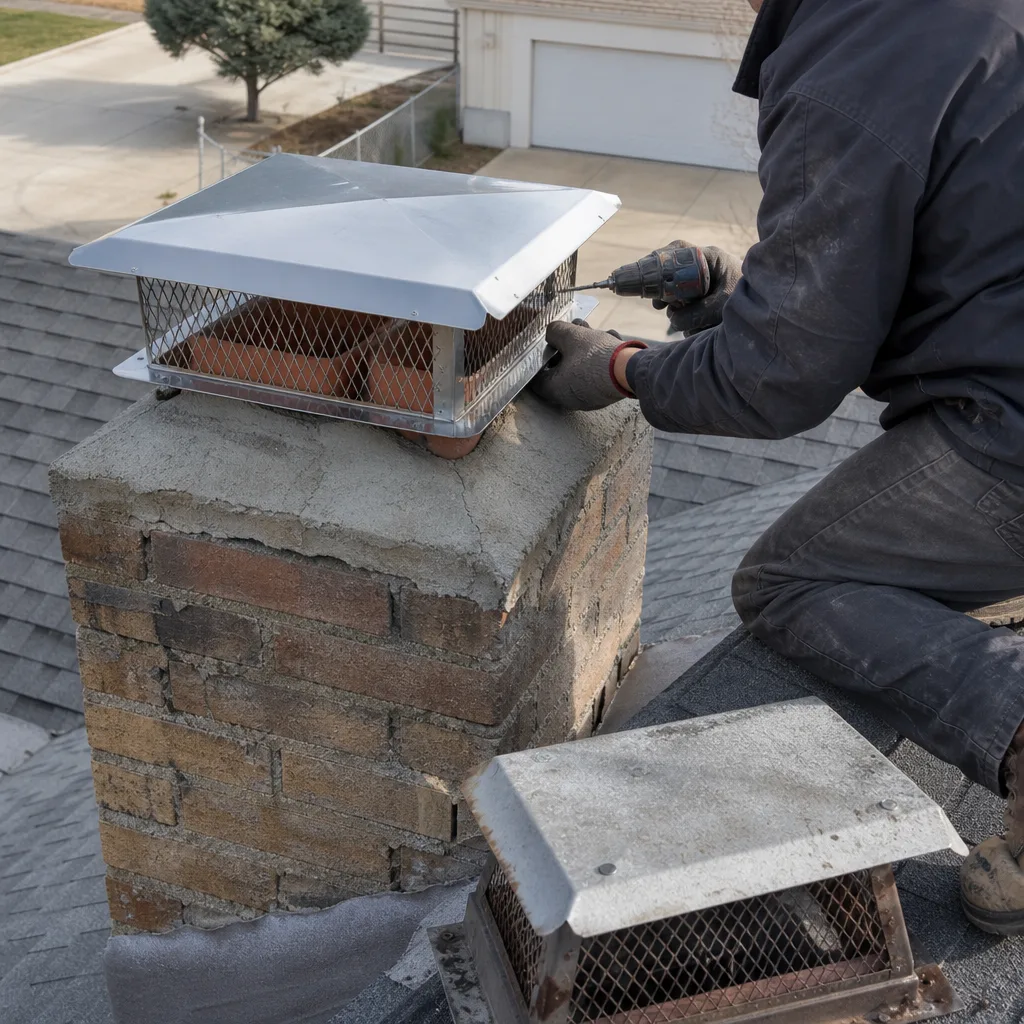
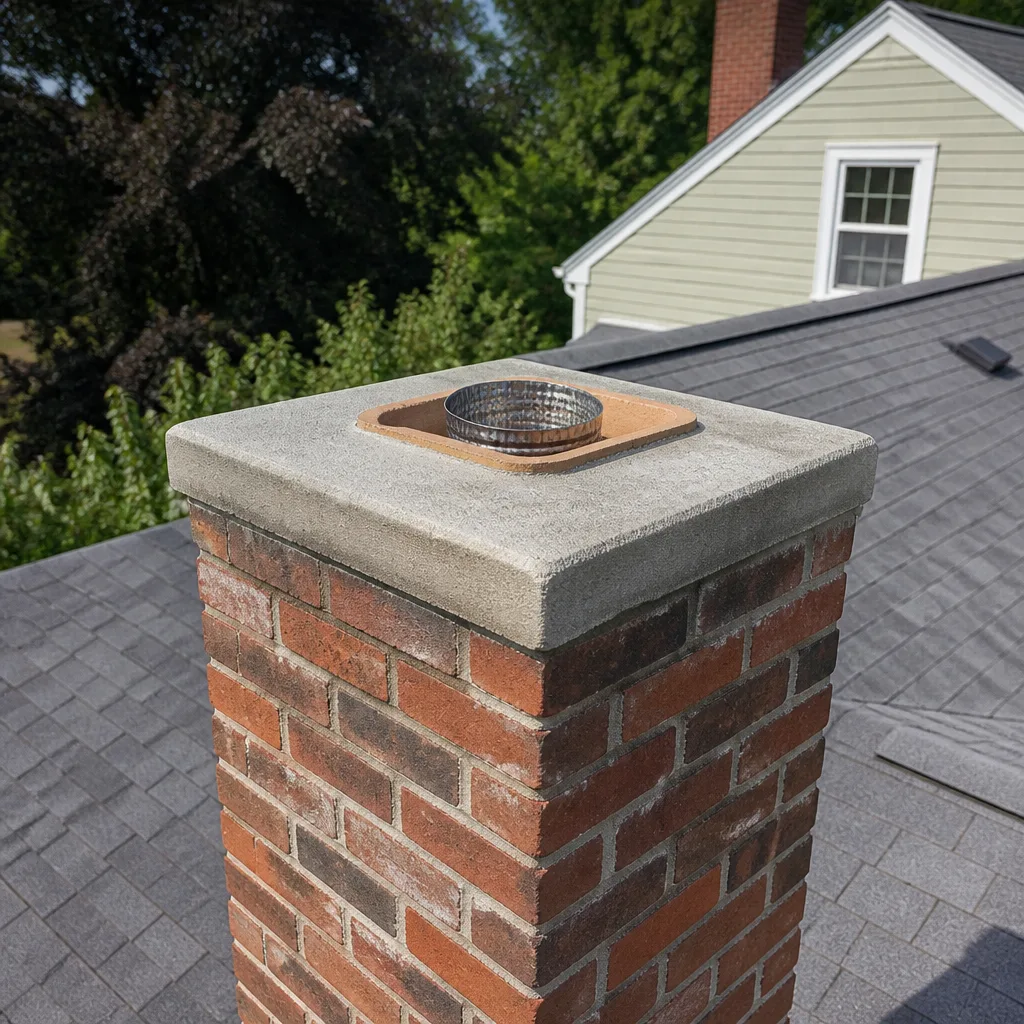
- Cap and crown. We look at the cap screen, the crown on top, and the flashing where the chimney meets the roof. Water intrusion from a cracked crown or missing cap does more slow damage to a chimney than fire usually does.
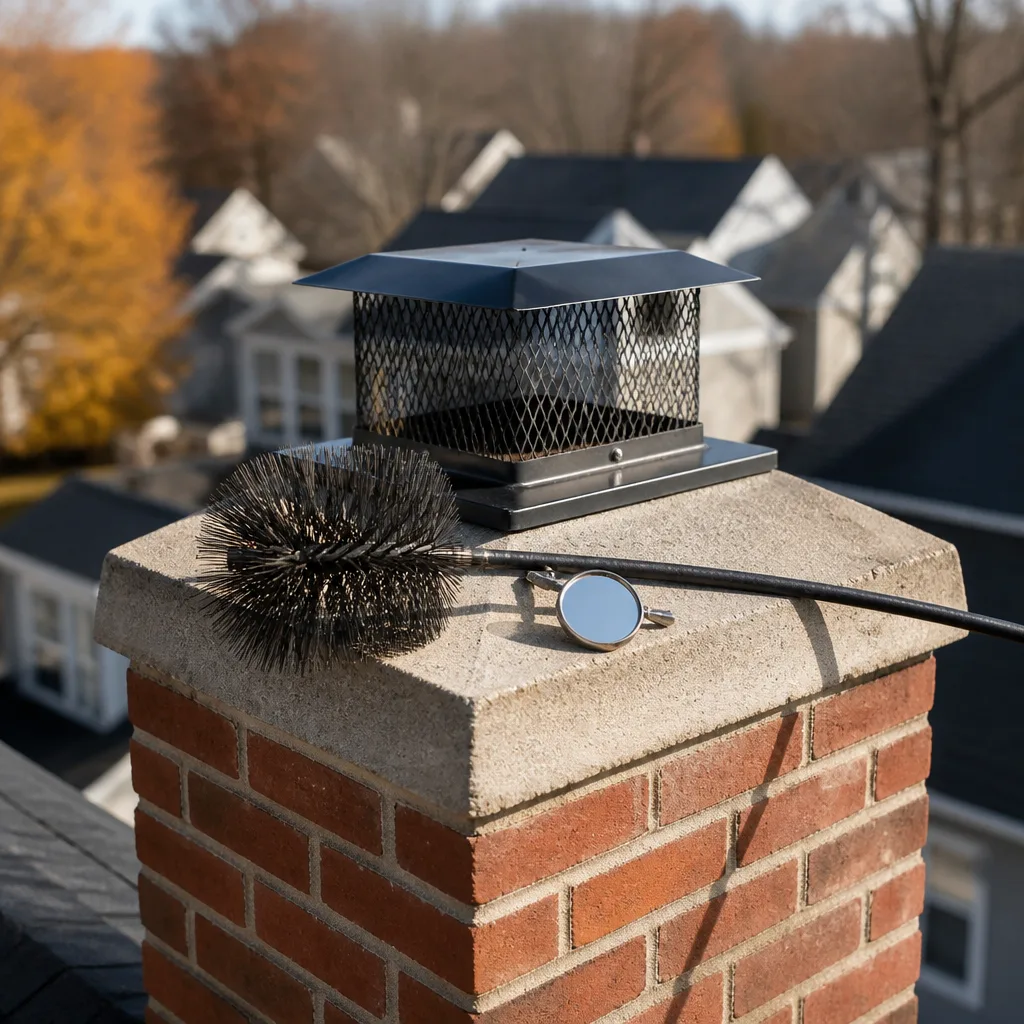
Tight on the tail of the sweep comes the camera inspection and a photo report you keep. Seeing what the flue actually looks like inside is the whole point. A homeowner who has never seen their own flue has no way to judge whether a recommendation makes sense. Our reports are meant to fix that: nothing gets recommended that the photos don’t show.
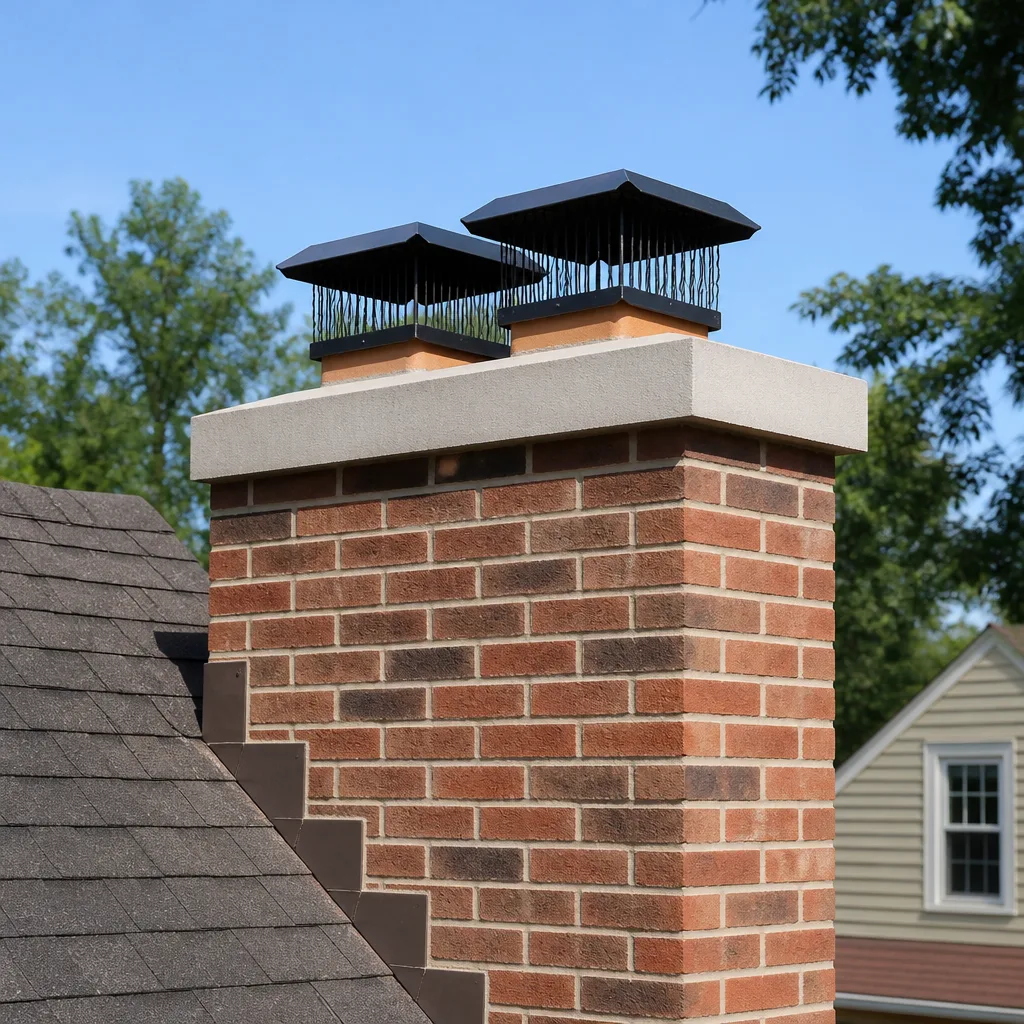
When the sweep and inspection turn up trouble, the fix isn’t automatically a rebuild. Some damage – a cracked crown, a missing cap, a loose firebox joint – can be handled by fireplace repair and a new chimney cap & crown in a single visit, without touching the flue at all.
Level 1, 2, and 3 Inspections: Which Do You Need?
NFPA 211 sets the industry benchmark for chimney inspection thoroughness, and it defines three levels. Knowing which one your situation calls for is how you avoid paying for an inspection you don’t need, or missing one you do.
- Level 1. A visual check of all accessible parts of the chimney, with your fireplace or appliance connected and in place. This is the standard for a routine annual sweep when nothing has changed and there’s no known problem. It’s the default inspection if you’ve been burning regularly and your system has been working normally.
- Level 2. Everything in a Level 1 plus a video camera inspection of the flue interior, the smoke chamber, and any hidden parts of the system. It’s called for when you’ve had a chimney fire, whenever you change anything about how the chimney is used, when an appliance is added or replaced, at a real estate transaction, or when there’s a known problem you can’t pin down. Most West Valley City homes moving through a sale, or that have just added a new wood stove or gas insert, need a Level 2.
- Level 3. A Level 2 plus access to concealed areas of the chimney that require opening up construction – removing brick, cutting into a wall, or opening a chase. This is reserved for serious, confirmed problems where the inspection can’t reach the trouble from the outside, and it’s only done when a Level 2 has identified something specific that needs it.
The honest answer for most West Valley City homeowners is that a routine annual visit gets a Level 1, and a Level 2 gets added when there’s a reason. A new insert, a chimney fire, a smoldering smell that won’t go away, or a problem your sweep can see but can’t explain all point to Level 2 territory.
Clay Tile vs. Stainless Steel Liners
Most West Valley City homes with a masonry chimney have a clay tile liner, and clay tile is what most homes in the area were built around. Clay tile is fine material when it’s intact. The problem is that it ages in ways the homeowner rarely sees, and it’s the reason cleaning frequency matters more locally than a generic annual sweep would suggest.
Clay tile cracks and spalls at the joints. The mortar that holds the tiles together fails first, and once a joint opens, hot gases can reach the framing and masonry outside the liner. Water leaking past a failing cap or crown drives the process faster. In a cold-start chimney that heats up and cools down repeatedly through the season, thermal cycling works those joints a little more each year.
Stainless steel liners behave differently. A properly installed liner – and flexible systems like DuraFlex are UL-listed for use with wood, gas, and oil appliances – has fewer joints to fail and resists the internal moisture that slowly degrades clay. On an older or offset chimney, where a rigid liner can’t make it around corners, a flexible liner is often the only way to reline without opening the masonry.
Not every damaged clay flue needs a new liner. For tile flues that are still structurally sound but have lost their smooth inner surface, HeatShield chimney resurfacing can restore the flue without the cost of full relining. The decision between resurfacing and full relining comes down to what the camera actually finds: if the tiles are cracked clean through, you reline; if the surface is deteriorated but the tiles are holding, resurfacing is a legitimate option. The point is that the recommendation follows the evidence, not the other way around.
How Much Does a Chimney Cleaning Cost in West Valley City?
Chimney cleaning in the West Valley City area typically runs $150 to $400 for a standard sweep and visual inspection, with most routine annual visits landing in the $175 to $260 range. Anything that goes beyond a routine sweep – a Level 2 camera inspection, a liner repair, a crown rebuild – is priced separately once the sweep tells us what the system actually needs. The written estimate you get before work starts is the price.
Here’s how the common jobs typically break out by scope:
| Service | Typical Cost Range | Notes |
|---|---|---|
| Routine full sweep, Level 1 inspection | $175 – $260 | Firebox, chamber, flue, cap check; visual only |
| Standard sweep with Level 2 camera inspection | $275 – $400 | Video of flue interior and smoke chamber; photo report |
| Crown rebuild and cap install | $250 – $600 | Depends on access, size, and product chosen |
| HeatShield resurfacing | $700 – $1,500 | Restores structurally sound tile; quote after inspection |
| DuraFlex liner replacement | $1,800 – $4,000+ | Flexible stainless reline; scope and length drive cost |
| Fireplace repair | $150 – $800 per repair | Firebox, damper, or smoke shelf work |
Those ranges are typical estimates for the local market, and they move with the size of the chimney, roof access, and the product line the job requires. When we use Gelco or Olympia Chimney components on a cap or crown job, or DuracFlex liner on a reline, the parts are specified in the written estimate rather than as an upsell. If a job is quoted, you see what goes on the chimney and what it costs before anyone climbs up.
One practical point about the wait. The busiest weeks of the year run right before burning season, when every homeowner remembers the chimney at once. Booking a chimney sweep in late summer or early fall gets you in before that rush, but if a chimney has a genuine problem, don’t sit on it. A chimney fire or a backdrafting flue isn’t something to wait out until spring.
Red Flags That Mean Repair Before You Light a Fire
Some findings during a sweep should stop you from using the fireplace until the problem is fixed, regardless of how quickly you were hoping to light the first fire of the season. In our experience, these are the ones that turn a cleaning appointment into a repair conversation.
- Cracks or gaps visible in the flue tiles. A cracked liner means hot gases and embers can reach the framing. That’s a stop-burning finding, not a schedule-it-for-next-month finding.
- Glazed, shiny creosote. Hard, glazed creosote is the most flammable stage of buildup, and a standard brush often won’t remove it. It needs a chemical treatment or a more involved sweep before the chimney is safe to use.
- A damaged or missing crown. A cracked crown lets water run into the masonry and the flue every time it rains or snows. The water damage compounds every season it goes unfixed.
- Animal nests or debris blocking the flue. A blocked flue backs smoke and carbon monoxide into the room. A proper cap screen, installed with purpose-built Gelco or Famco components, prevents the problem rather than repeating a clearing every year.
- A damper that won’t open or close fully. A stuck-open damper wastes heat out the chimney; a stuck-closed one is a carbon monoxide risk. Neither is a lighting-day problem.
- A heavy creosote smell that won’t clear. Often a sign of buildup deep in the smoke chamber or a flue that hasn’t been swept in a while.
- Smoke puffing into the room when you light up. Frequently a smoke shelf or flue obstruction issue, and occasionally a sign the flue is undersized or damaged.
Carbon monoxide and chimney fires are the two serious safety risks here, and both are things a sweep and camera inspection are designed to catch. That’s the reason a trained professional should do the work. Chimney cleaning isn’t a do-it-yourself job with a brush on a rope; the consequences of getting it wrong aren’t worth the savings.
How Often Should You Schedule a Sweep?
Once a year is the standard answer, and for most West Valley City households it’s the right baseline. What actually determines how often a chimney needs sweeping is how much wood the household burns and how the fire is built, not a calendar rule.
A household that burns several cords a year, or that frequently builds short, low fires that smolder, will build creosote faster than a household that lights the occasional fire on a winter evening. A gas insert or a well-maintained wood stove that burns hot, dry wood runs cleaner than a fireplace that gets damped down for long stretches. A West Valley City house with a long burning season, an older clay tile flue, and a cold-start habit is on the faster-accumulation end of that range and should expect an annual sweep plus a camera inspection to be part of the routine.
The moment to book is before the season, not during it. A sweep in September catches a problem while you still have time to fix it before the first cold week. A sweep in January, usually forced by a problem, leaves you fixing it in the middle of burning season. If you’ve just moved in, or you’ve just inherited a fireplace you’ve never used, book a sweep and inspection before the first fire, full stop. A home you didn’t build and a flue you’ve never seen are a good reason to get a baseline photo report in the file.
How to Prepare for Your Appointment
A sweep goes faster and leaves less mess when the homeowner does a few things before arrival. None of it is complicated, but it does make a difference.
- Clear the hearth and the area around it. Give the technician room to work and a safe space for the drop cloth.
- Remove the grate, andirons, and any decorative screen. These get in the way of the firebox inspection.
- Skip the fire for at least 24 hours before the appointment. A warm firebox is harder to sweep safely, and the technician will want to see how the firebox behaves cold.
- Leave access to the roof and to the chimney chase. If the chimney is on a roof that’s hard to reach, let us know when you book so the job is scoped correctly.
- Ask about any appliance changes. If you’ve added or replaced a stove, insert, or furnace, that’s a Level 2 inspection trigger and should be on the schedule.
- Have your questions ready. Ask where the photo report will show the flue damage, what each repair quote is for, and what can safely wait.
That last point matters. A good sweep-and-inspection report should tell you plainly what’s urgent and what can be scheduled. If a recommendation can wait until spring, we say so and put it in the report. The goal isn’t to sell every repair on the list; it’s to make sure the next fire you light is a safe one.
Common Mistakes to Avoid
- Treating a brush run as a full sweep. If a sweep doesn’t touch the smoke chamber, smoke shelf, and cap, it hasn’t inspected the whole system. The flue is only one part of what determines fire safety.
- Waiting for a problem to schedule a sweep. A creosote smell, a smoky fire, or a draft that feels wrong are already late signals. Booking in late summer catches buildup before the season starts.
- Skipping the camera inspection to save money. A visual check can miss cracks and gaps in the flue that a Level 2 camera inspection catches. In a West Valley City clay tile flue, those gaps are exactly where danger hides.
- Installing a generic cap from the hardware store. A cap that doesn’t match the flue lets water and animals past the crown and can interfere with draft. Purpose-built Gelco and Famco caps fit the chimney and the screen outlasts the cheap version.
- Burning unseasoned or wet wood to save money. Damp wood smolders, and smoldering wood is the fastest route to glazed creosote. Dry, well-seasoned wood burns cleaner and builds less deposit.
- Deciding a chimney is fine because it worked last winter. Clay tile cracks and joints open gradually. A flue that functioned last year can be unsafe by the time you light the first fire this year.
- Assuming a damaged flue means a full rebuild. HeatShield resurfacing and DuraFlex flexible liners restore many older flues without opening the masonry. Getting a second opinion before committing to a rebuild is worth the trip.
See the difference
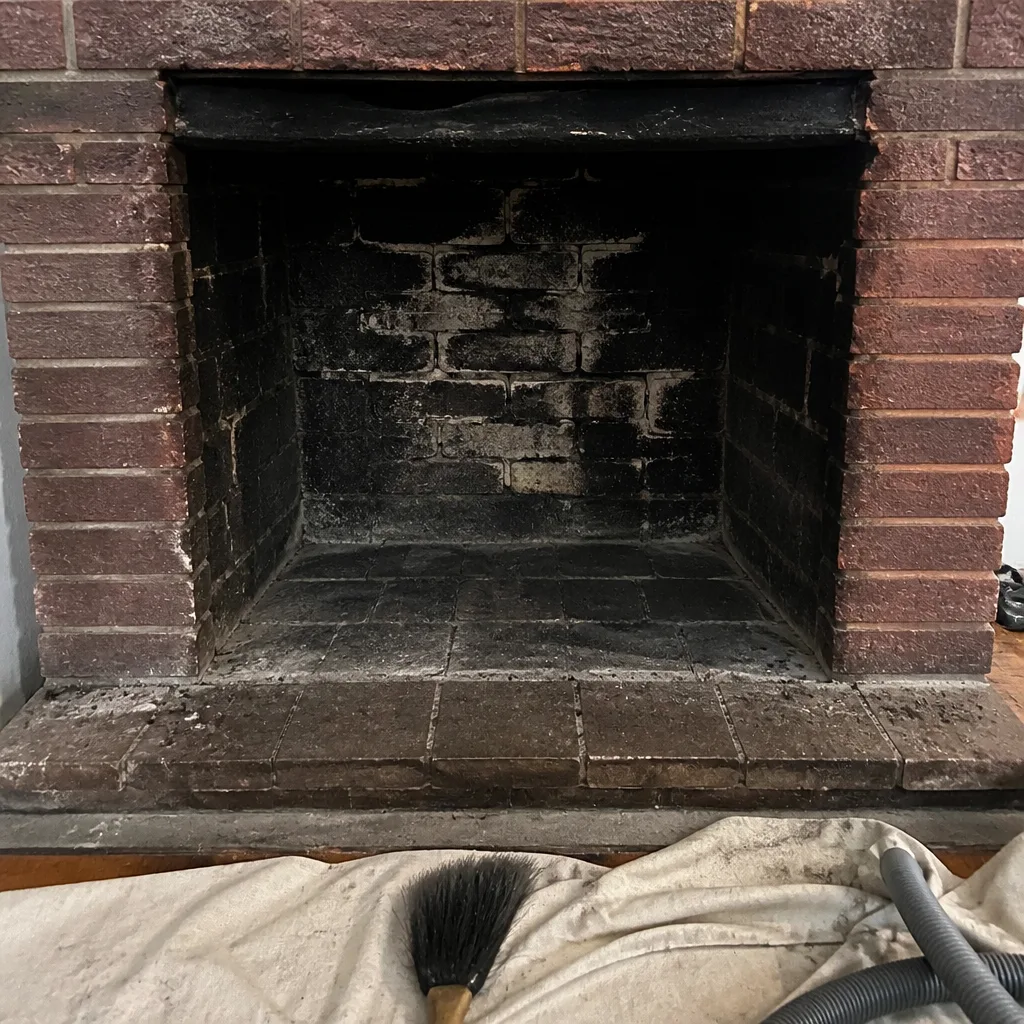 Before
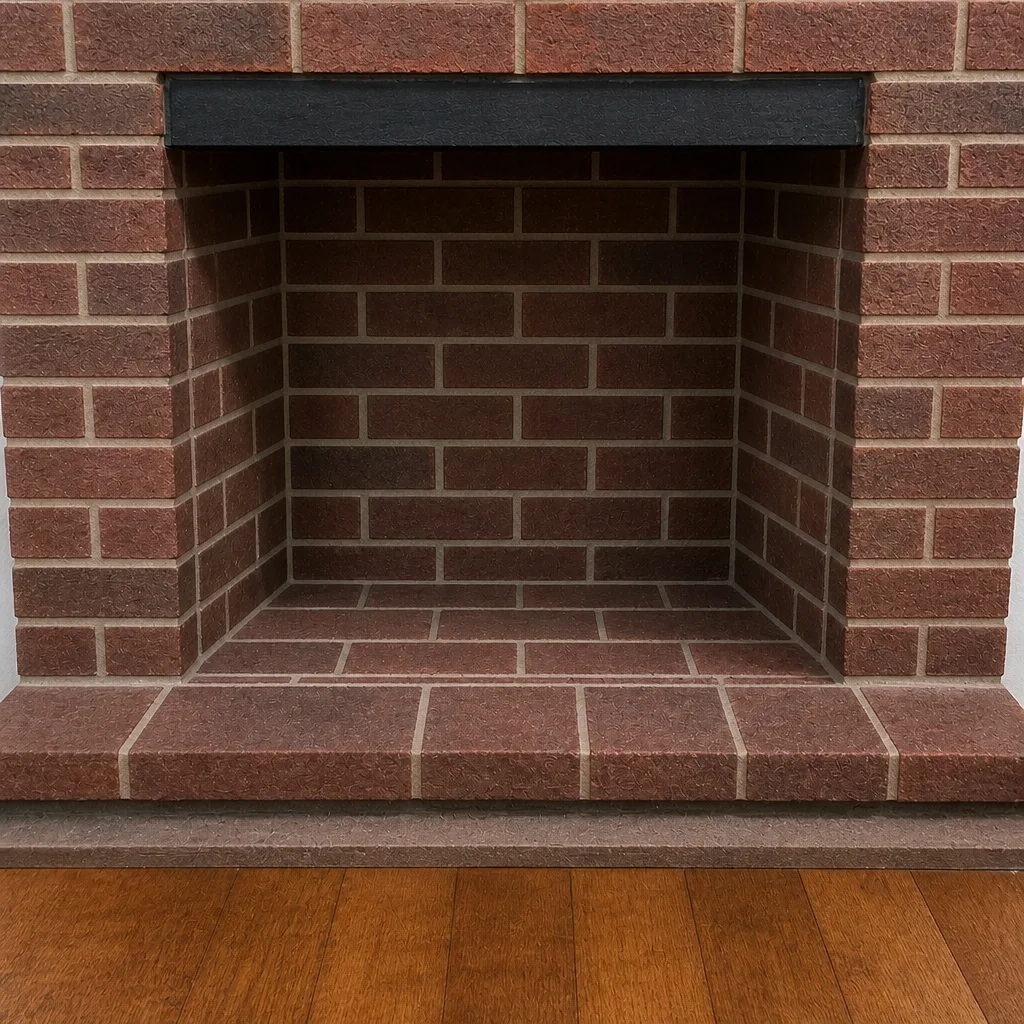 After
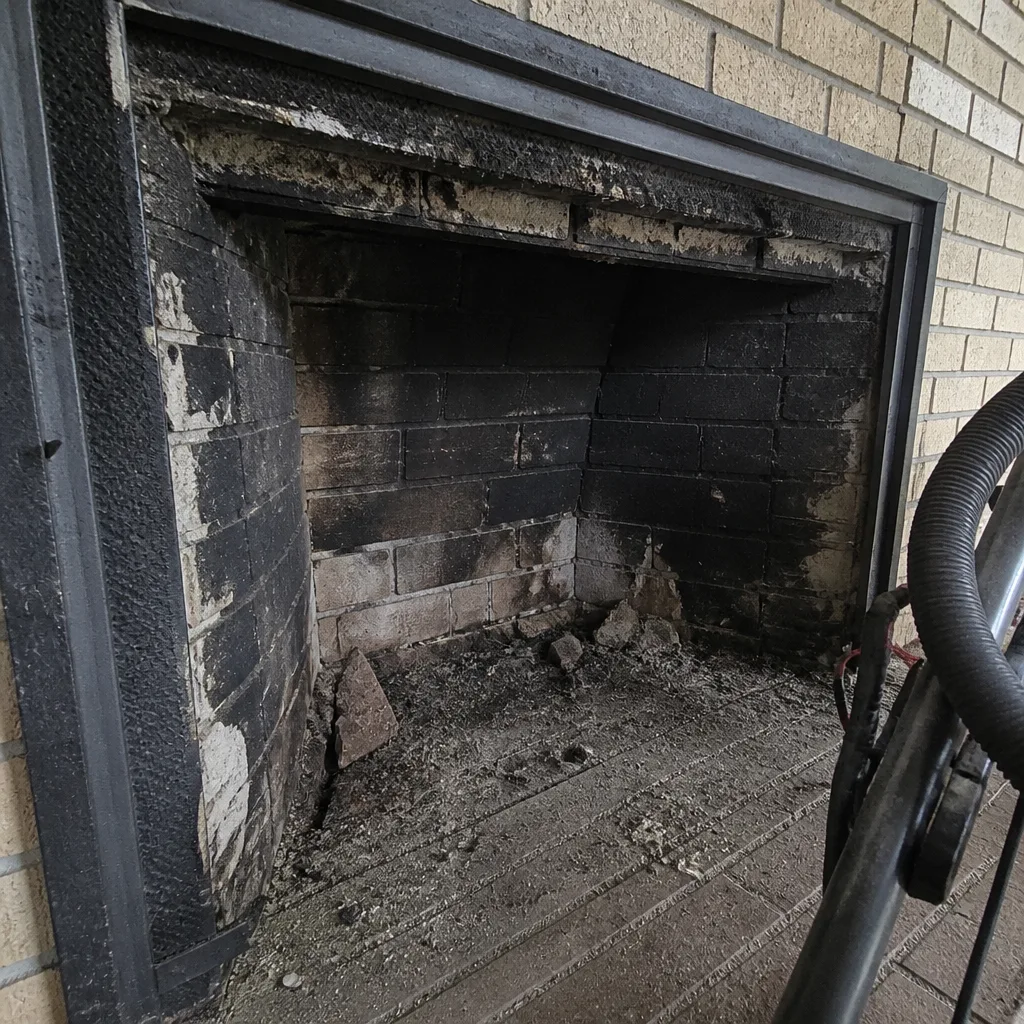 Before
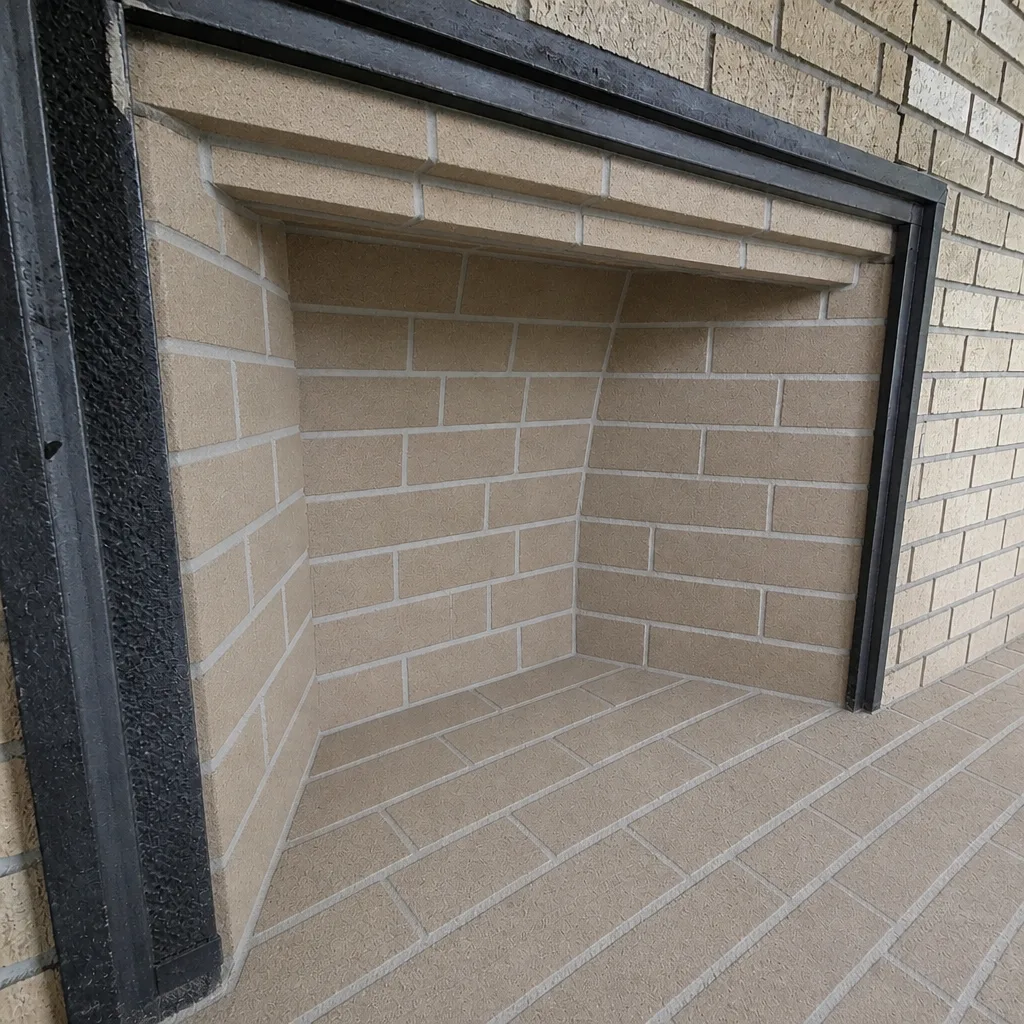 After
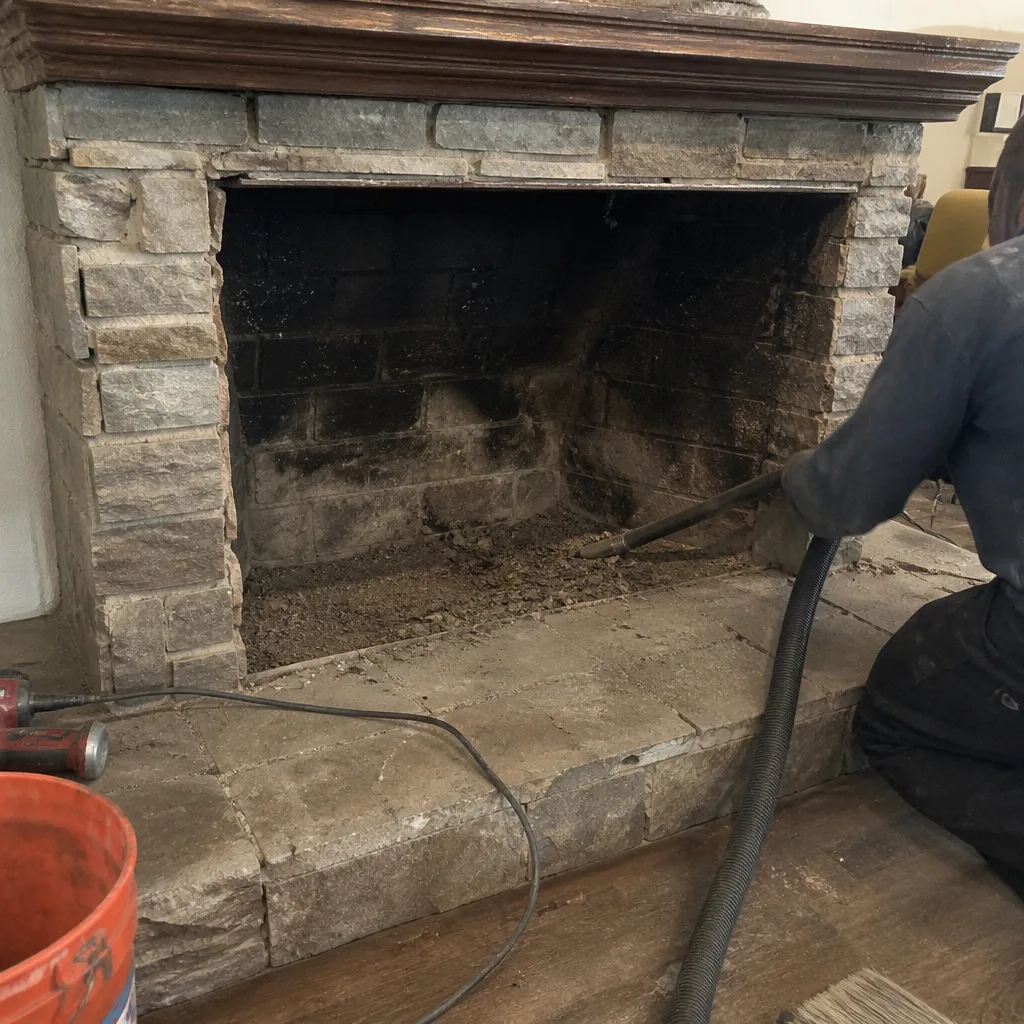 Before
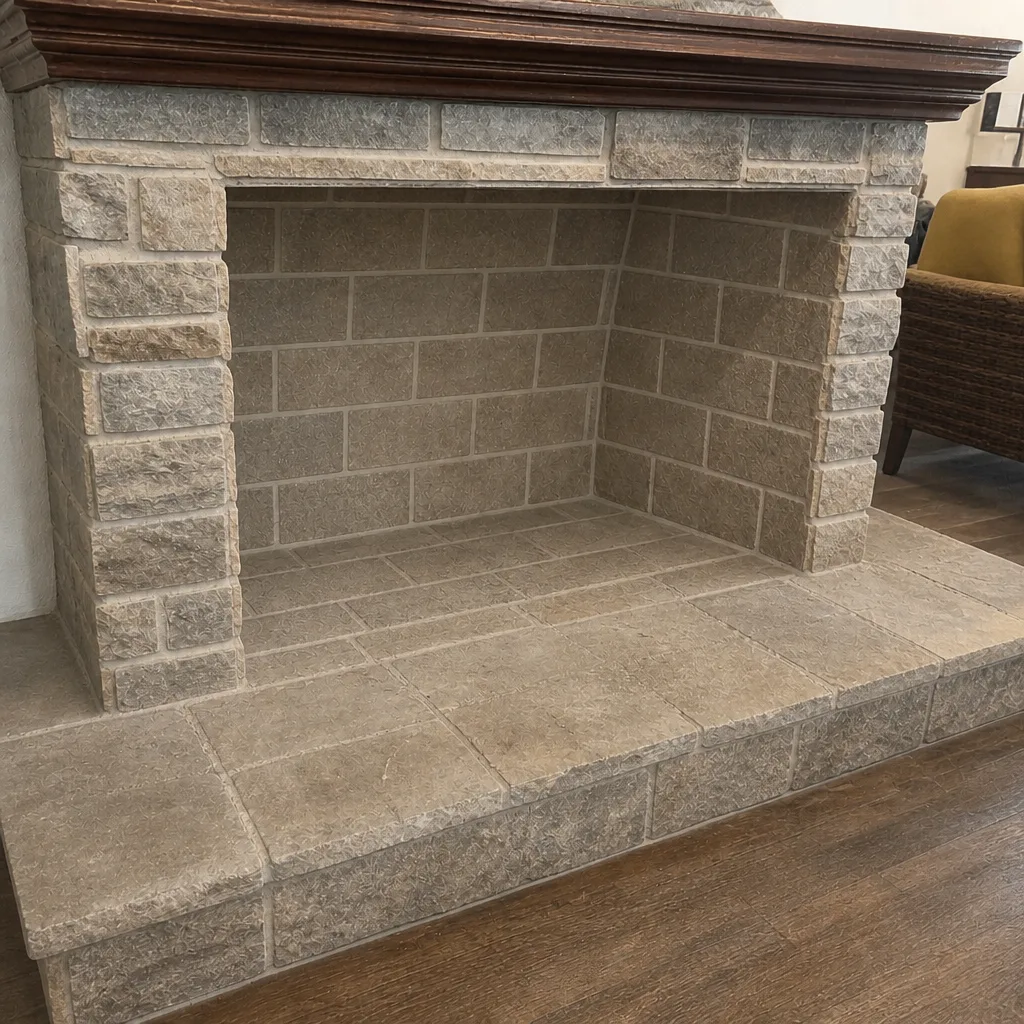 After
When to Call a Professional
Call a specialist if any of the following is true: you’ve had a chimney fire (even a small one), you’ve noticed creosote glaze or a strong smoky smell, you’re moving into a home with a fireplace you’ve never used, or you’re adding an insert or changing your heating appliance. Also call if you’ve just had a sweep and want a second, camera-based opinion on what it found, or if the flue tiles look cracked from the roof. Chimney fires and carbon monoxide risk are safety problems, and a proper sweep and inspection is the tool that catches both before they become one.
Chimney Sweep West Valley City offers free estimates in West Valley City – call (844) 625-7149. We answer 24/7. Fast dispatch from 7am to 7pm, Sunday through Friday. Our technicians have up to 14 years of experience, and every visit includes a camera inspection and photo report you keep.
Frequently Asked Questions
A full-system sweep with a Level 1 inspection in the West Valley City area typically runs $175 to $260, and a sweep plus a Level 2 camera inspection usually lands between $275 and $400. The written estimate you receive before work starts sets the final price. Call (844) 625-7149 for an exact quote – estimates are free.
Only if the camera shows the flue tiles are cracked or gapped through. If the tiles are structurally sound but the inner surface is deteriorated, HeatShield resurfacing can restore the flue without the cost of full relining, and some damaged caps and crowns can be fixed for a fraction of a reline. Nothing is recommended without camera evidence you can see for yourself. Call (844) 625-7149 and get the photos before you decide.
Once a year is the baseline for most West Valley City homes, and an annual camera inspection is a good idea on older clay tile flues. If you burn several cords a year or frequently build smoldering fires, you may need to sweep more often. The sweep plus inspection tells you whether your own burning habits put you on the faster or slower end of that schedule. Call (844) 625-7149 to get on the calendar before burning season.
Creosote builds up in the flue and becomes the fuel a chimney fire needs, and NFPA data identify failure to clean as the leading cause of chimney fires. A blocked or damaged flue also raises the carbon monoxide risk in the home. Skipping a sweep doesn’t cause a problem every year; it removes the inspection that would catch one. Call (844) 625-7149 to schedule a sweep and inspection before you light up.
A routine full-system sweep with a Level 1 inspection usually takes about an hour, and a sweep with a Level 2 camera inspection runs somewhat longer because of the video walkthrough. Roof access and the size of the chimney affect the time. We’ll give you a realistic window when we book, and you’ll have the photo report before we leave.
In most cases, yes. Crown repairs and cap installs are scoped together and use purpose-built Gelco and Famco components, so the water and animal problem gets fixed at the source rather than patched. If the crown damage turns out to be more than a surface repair, the written estimate will spell out the larger scope before any work starts. Call (844) 625-7149 for a free estimate in West Valley City.
The Bottom Line
Chimney cleaning in West Valley City is a system diagnosis, not a brush pass. It starts at the firebox and ends at the crown, and a proper sweep checks every layer in between with a camera and photo report you keep. West Valley City’s long, cold-start burning season and inversion weather build creosote faster than the national “once a year” advice implies, so an annual sweep before the season is the right habit. The right specialist works the whole system: sweep, inspection, cap, crown, liner, and repair. If the camera finds nothing urgent, we say so and tell you what can wait.
Call (844) 625-7149 for a free estimate. We answer 24/7. Fast dispatch from 7am to 7pm, Sunday through Friday.
Written by the team at Chimney Sweep West Valley City.