
Last updated November 25, 2026
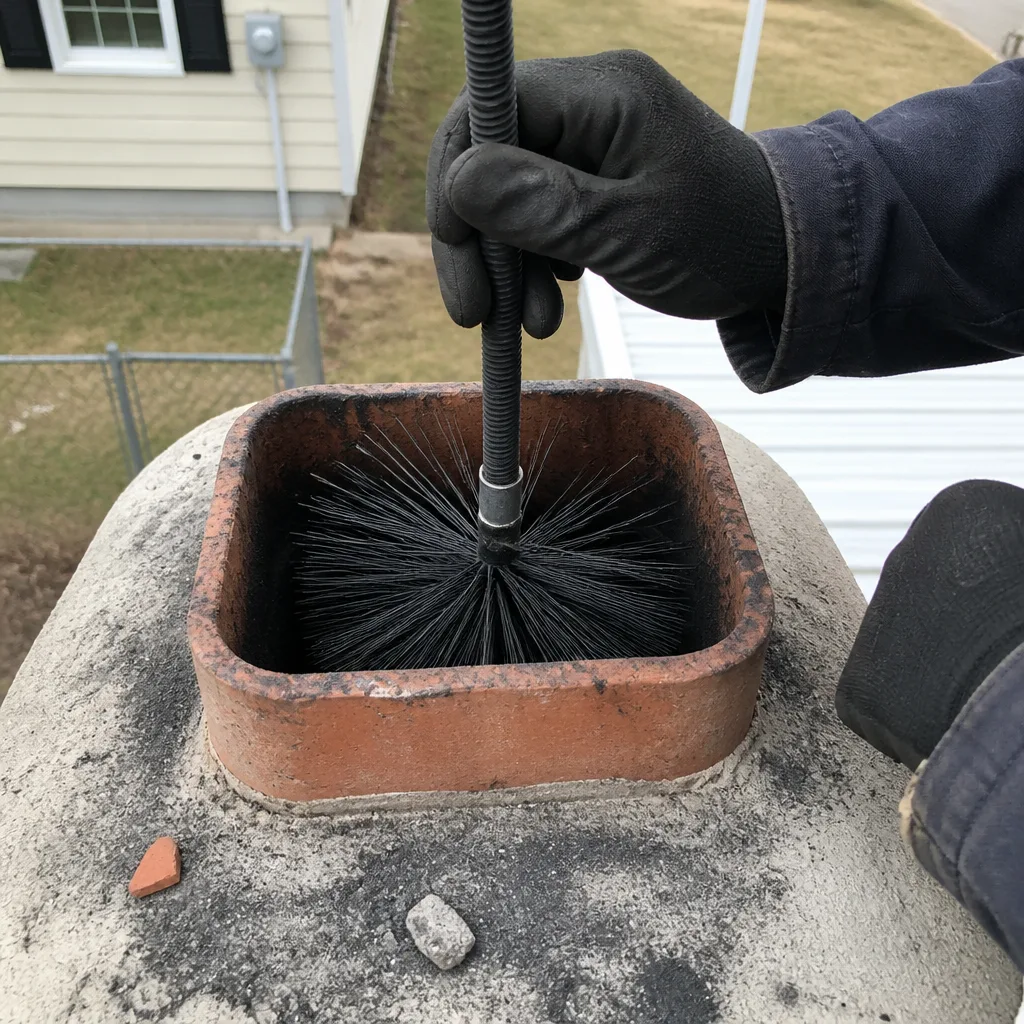
 Sweep & inspection
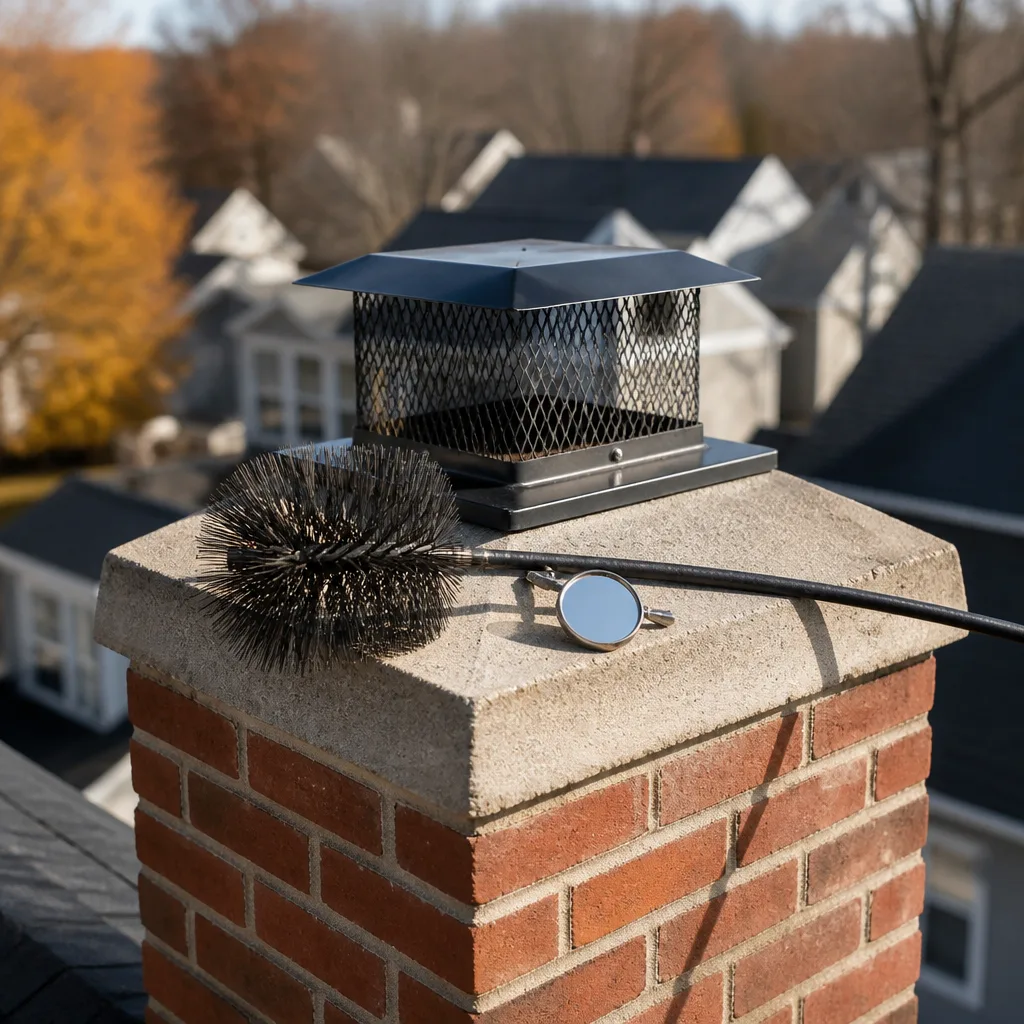
 Caps & crowns
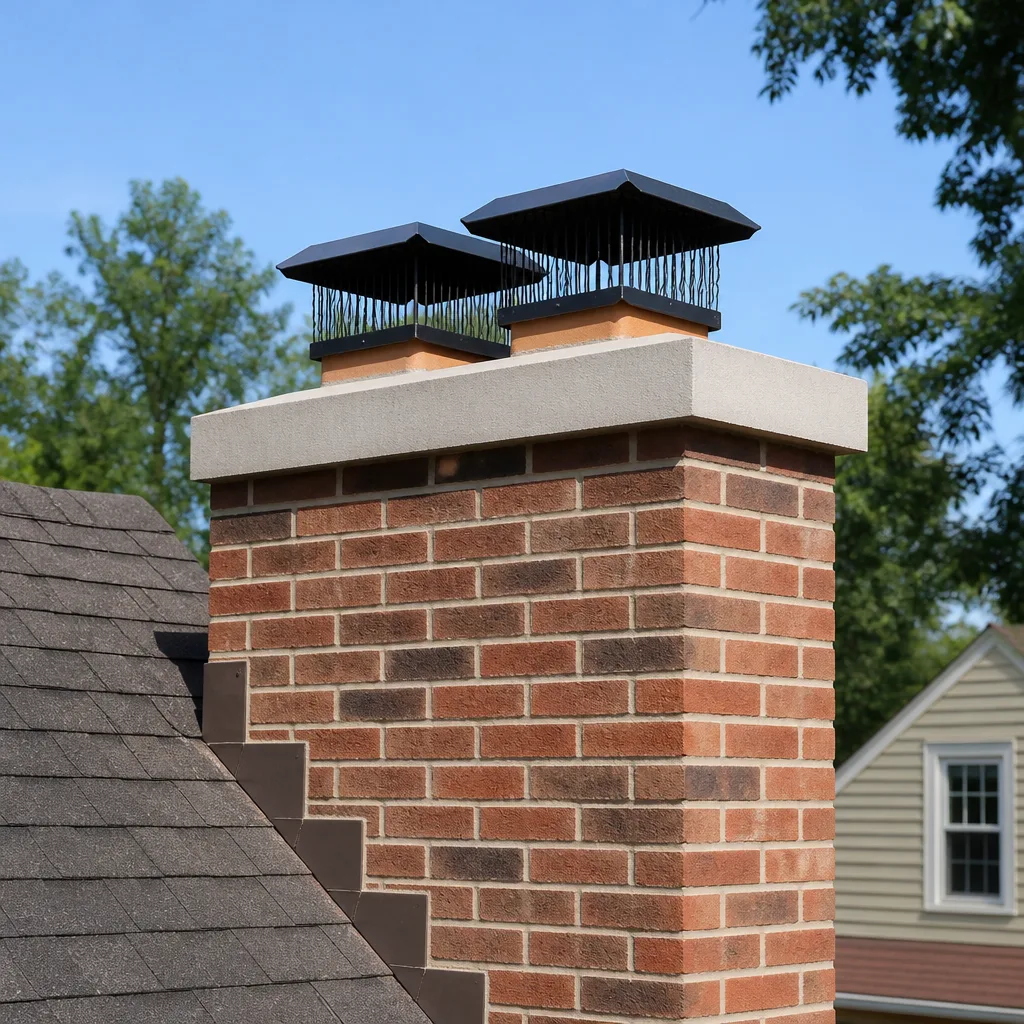
 Flue relining
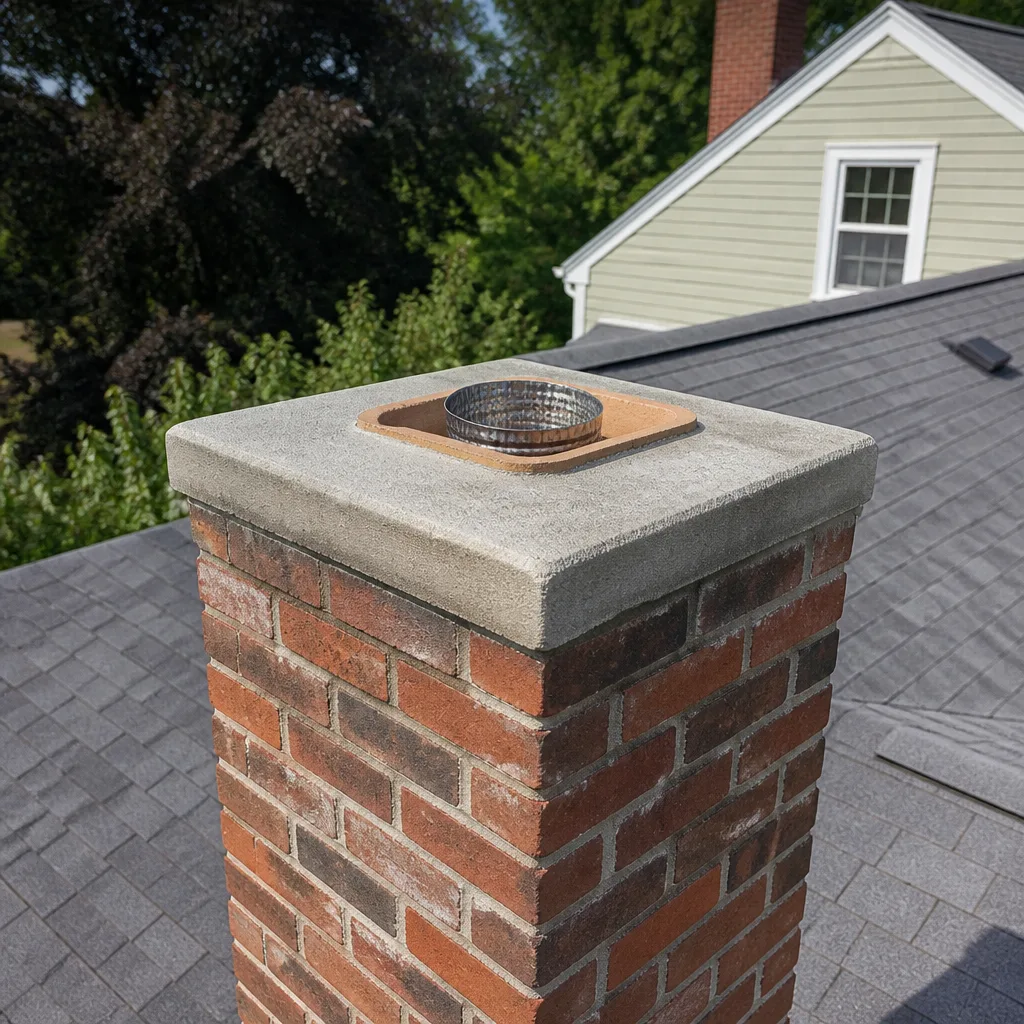
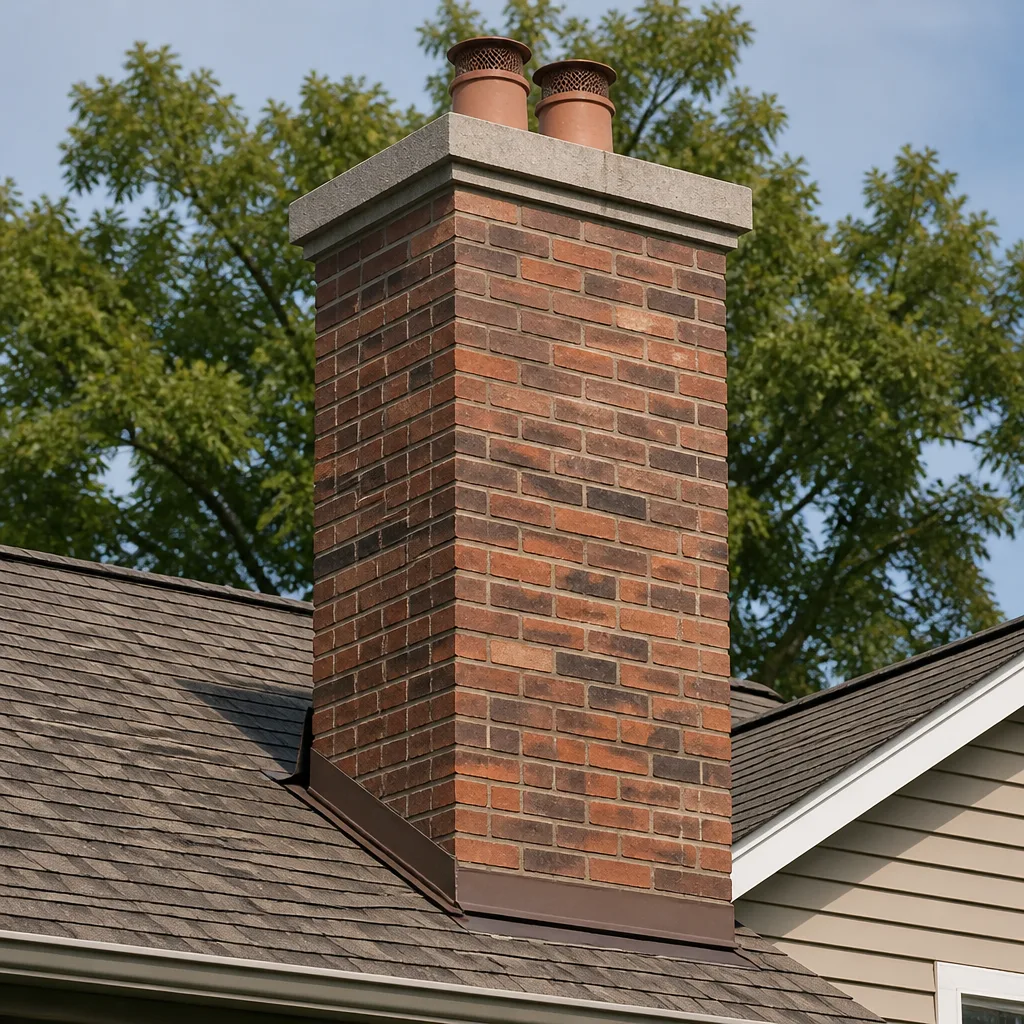 Masonry repair
 Gas fireplace service
Level 1 sweep and inspection to the NFPA 211 annual standard - flue, crown, cap, and flashing checked and photographed
Chimney sweep logs do not sweep chimneys. They loosen some creosote - which then falls where a brush and vacuum still have to collect it.
Chimney Cleaning Cost Breakdown: The West Valley City Homeowner’s Reference for 2026
Most West Valley City homeowners budget for a chimney sweep the way they budget for a car wash: one flat, predictable fee, paid and done. The reality is closer to a car inspection, where the base service is fixed but the findings drive the final number. That gap between the coupon price and the invoice is where the confusion lives, and it’s rarely a bait-and-switch. It’s the difference between a surface sweep and a full system inspection with documented results. In this reference we’ll walk through every cost line a West Valley City homeowner actually sees, what legitimately moves the price up or down, and how to read a quote so nothing on it surprises you.
Quick Answer
A standard chimney sweep in West Valley City typically runs roughly $150 to $350, and a sweep bundled with a Level 1 or Level 2 inspection is usually the better value, landing somewhere around $250 to $500 depending on flue count and creosote level. Heavier jobs – glazed stage-3 creosote, offset flues, or repairs found during inspection – push the total higher, and every price is set by a written estimate before any work begins. The written estimate is the final number.
Styles & brands we work with
- Sweep & inspection
- Caps & crowns
- Flue relining
- Masonry repair
- Gas fireplace service
Table of Contents
- What does a standard chimney sweep cost in West Valley City?
- The four real cost drivers of any chimney cleaning
- What legitimately adds cost to a chimney job
- How to read a chimney quote line by line
- The real cost of deferring service
- What a $99 flat-rate sweep actually delivers
- Why West Valley City’s climate shapes chimney service
- How to prepare for a sweep and what happens during the visit
What does a standard chimney sweep cost in West Valley City?
Here’s the direct answer: a basic chimney sweep in West Valley City typically falls in the $150 to $350 range, with most homes settling near the middle. A sweep plus a full inspection usually runs $250 to $500. Those ranges assume a single-flue, wood-burning fireplace with light to moderate creosote and reasonable access. Anything outside those assumptions moves the estimate, which is exactly why a homeowner should treat any quote given over the phone as a starting point rather than a final figure.
West Valley City covers a lot of ground, from older brick homes near the historic downtown grid to newer builds out toward the west bench, and the housing stock drives cost as much as the chimney itself. Older homes often have flues that were built before modern liner standards, which means a sweep takes longer and the inspection is more involved. Newer construction tends to have cleaner flues but may include gas inserts or factory-built fireplaces that need a different approach.
For a realistic ballpark, use this table as a planning tool:
| Job | Typical estimated range |
|---|---|
| Standard single-flue sweep, light creosote | $150 – $250 |
| Sweep plus Level 1 inspection | $250 – $400 |
| Sweep plus Level 2 camera inspection | $350 – $500 |
| Two-flue sweep | $250 – $450 |
| Stage-2 creosote removal | $300 – $550 |
| Stage-3 glazed creosote, rotary cleaning | $500 – $1,200+ |
Every one of those numbers is an estimate, not a promise. The written estimate you receive after the technician assesses the flue sets the final price, and it should be agreed before any work starts. A free estimate means exactly that.
The four real cost drivers of any chimney cleaning
Four factors move a chimney cleaning quote more than anything else: flue height, flue type, creosote level, and access. Understand these four and you can predict where your quote will land before the technician arrives. Overlook them and every quote feels random.
- Flue height. A taller chimney means more rod time, more ladder work, and more labor. Standard residential heights are routine; unusually tall or hard-to-access chimneys cost more because the sweep takes longer and may require equipment beyond the basics.
- Flue type. A single-flue masonry chimney is the simplest job. A two-flue chimney (often one for the fireplace, one for a furnace or water heater) doubles the work. Factory-built fireplaces and offset flues add complexity because the brush path isn’t straight.
- Creosote level. This is the big one. Stage 1 is a light, dusty soot that sweeps away quickly. Stage 2 is a flaky, crusty buildup that takes more work. Stage 3 is glazed, hardened creosote that can require rotary cleaning tools and a lot more time.
- Access. A chimney on a straightforward roofline is easy to reach. One tucked behind a steep pitch, a skylight, or landscaping takes longer, and that labor is reflected honestly in the estimate.
None of these are hidden fees. They’re the actual variables of the trade, and any competent specialist will explain which ones apply to your chimney before the work begins. If a quote doesn’t mention these variables, ask about them.
What legitimately adds cost to a chimney job
A sweep is a starting point. A full inspection tells you what the sweep can’t, and sometimes that means additional work. The key is separating additions that are genuinely necessary from ones that are simply upsells. In our experience, most West Valley City homeowners benefit from knowing these are the common, legitimate add-ons:
- Camera inspection fees. A camera inspection (in line with NFPA 211 Level 2 standards) examines the interior of the flue for cracks, gaps, and offset joints that a sweep brush can’t detect. This is sometimes included and sometimes a separate line item, usually $100 to $250.
- Smoke chamber resurfacing. The smoke chamber is the transitional space above the firebox, and rough, deteriorating surfaces trap creosote. Resurfacing with a product like HeatShield smooths the surface and restores the flue without a full liner replacement.
- Damper repair. A stuck or rusted damper affects how the fireplace draws and seals. Repair is often modest in cost compared to what a non-functioning damper does to draft.
- Crown sealing. The crown is the concrete cap on top of the chimney. Cracks let water in, and sealing them is far cheaper than repairing the masonry that water damage eventually causes. Purpose-built products from Gelco and Famco are made for exactly this job.
- Waterproofing treatment. A breathable waterproofing coating applied to the exterior masonry slows water absorption and freeze-thaw damage, which matters in a climate with cold winters.
For a deeper look at these repairs, our page on fireplace repair covers what each one involves. Cap and crown work is covered on our chimney cap & crown page if you want to see the full scope.
How to read a chimney quote line by line
The words on a chimney quote carry specific weight, and most homeowners don’t know the difference until they’re comparing two quotes side by side. “Cleaning,” “inspection,” and “diagnostic” are not interchangeable. Here’s what each usually means in dollar terms, and how to spot a bundled service that’s actually better value than separate line items.
Cleaning
Cleaning means the physical removal of soot and creosote from the flue and firebox. It’s the measurable labor of the sweep. A quote listing only “cleaning” at a very low price is telling you it’s a surface job with no findings documented.
Inspection
Inspection is the assessment of the chimney’s condition, and it’s graded. A Level 1 inspection is visual, done with the basic tools and a flashlight. A Level 2 inspection includes a camera and examines accessible portions of the flue, often after a sweep so the interior is visible. That’s why inspection fees and cleaning fees are often separate lines, and why a bundled “sweep + Level 2 inspection” is usually more valuable than a cheap sweep alone.
Diagnostic
Diagnostic work goes further, using camera footage and sometimes a smoke or draft test to explain a specific problem, like poor draft or a persistent smell. If a quote includes a diagnostic line, ask what it covers and whether you’ll see the footage. You should always be able to see the evidence.
When comparing quotes, put them side by side and ask one question: does this quote document what it finds? A quote that includes inspection and shows you photos is worth more than a cheaper one that just cleans and leaves.
The real cost of deferring service
The most expensive chimney job is almost always the one that was put off. That’s not a sales line; it’s the arithmetic of creosote. A light stage-1 flue is a straightforward sweep. Let it accumulate a season, and stage-2 crusty creosote takes longer to remove. Let it harden into stage-3 glazed creosote, and the job needs rotary cleaning tools and significantly more time. In our experience, a stage-2 job that slides into a stage-3 rotary cleaning tends to cost several times more than the annual sweep that would have prevented it.
The same logic applies to water damage. A small crown crack is a modest sealing job. Left alone through freeze-thaw cycles, that crack lets water into the masonry, and what was a sealing job becomes a masonry repair. West Valley City winters are cold enough to make freeze-thaw a real factor in how fast small cracks grow.
There’s also the safety side, which no cost table can capture. Creosote is flammable, and a heavy buildup raises the risk of a chimney fire. A blocked or damaged flue can also let carbon monoxide back into the living space. Those are the two reasons annual service matters, and they have nothing to do with selling you a repair. A sweep is how you find out whether anything needs attention before it becomes expensive or dangerous.
If you haven’t had the flue checked in a while, the sensible first step is a scheduled sweep and inspection. Our chimney sweep service explains exactly what’s included.
What a $99 flat-rate sweep actually delivers
A $99 chimney sweep exists, and it isn’t automatically a scam. But it’s important to understand what it can deliver versus what a full-service specialist provides. The flat rate typically covers a basic brush-and-vacuum of a single, easily accessible flue with light creosote. It rarely includes an inspection, camera work, documentation, or any assessment of the liner, crown, or smoke chamber. In practical terms, it cleans and leaves.
That’s fine if your only goal is a quick surface clean and you know your chimney is in good shape. It’s not fine if you want to know the actual condition of your system. When a “$99 sweep” turns into a larger invoice, the additional charges are usually for findings the sweep wasn’t priced to address, and sometimes for work that was necessary all along. The right question isn’t whether the $99 price is real. It’s whether it covers the work your chimney actually needs.
Here’s a simple way to decide which you need:
- Choose a basic sweep if the fireplace is used lightly, the flue was inspected recently, and you have no draft or smell symptoms.
- Choose a sweep plus inspection if it’s been more than a year, if you’ve never had the flue looked at, or if anything about the fireplace feels off.
- Choose a full-system assessment if there’s a known issue, a recent chimney fire, visible cracking, or a persistent odor with the fireplace off.
One more thing worth knowing: a company that handles the sweep, the inspection, and any repair that comes up means you aren’t coordinating between a cleaner and a repair contractor who each see only half the picture. That’s why we keep the whole system under one roof, so to speak, and why we work with professional-grade product lines like HeatShield, Gelco, Olympia Chimney, and Famco.
Why West Valley City’s climate shapes chimney service
West Valley City sits in the Salt Lake Valley, where winters are cold, the air is often dry, and burning season runs through the coldest months. That pattern has specific chimney consequences that homeowners elsewhere in milder climates may not face. Cold, dry air means masonry goes through repeated freeze-thaw cycles, and any water that gets into a crack expands as it freezes. Small crown cracks that would stay stable in a mild climate can widen over a single winter here.
The valley also holds temperature inversions during the winter, which is a reason many households burn more frequently and for longer stretches. More burning means more creosote deposition, and creosote buildup is what determines whether your next sweep is a light job or a heavier one. Homes near the bench edge and older neighborhoods closer to the historic downtown grid often have taller brick chimneys with exterior masonry that takes the full brunt of the weather.
Newer homes, including those in the developing west-side subdivisions, tend to have factory-built fireplaces or gas inserts. Those systems have different service needs. Gas appliances produce less creosote but still get inspected for venting integrity and carbon monoxide risk. A sweep on a gas insert is a different job than a sweep on a wood flue, and a quote should reflect which one you have.
How to prepare for a sweep and what happens during the visit
Preparation is simple, and it makes the visit faster, which keeps labor time – and your cost – down. Here’s the sequence a homeowner can expect, from booking to the written report.
- Book the sweep. Tell us the type of fireplace or appliance, and how many flues the chimney has. Those two facts set the baseline estimate.
- Clear the firebox and the hearth. Remove logs, grates, and décor, and put down a drop cloth if you like. Move furniture back a few feet from the hearth for access.
- Provide access to the roof or cleanout. Let the technician know how to reach the flue, whether that’s through the living space or a cleanout door.
- The sweep. The technician runs the brush and vacuum system from the firebox or the roof, depending on your setup, and keeps the workspace contained.
- The inspection. The flue is examined visually, and if your estimate includes a Level 2 inspection, with a camera. Findings are documented.
- The written report and estimate. Anything that needs attention is explained and priced in writing. Nothing gets added without your approval.
The one part a homeowner should never handle themselves is the actual interior work on a flue or firebox that’s shown signs of a chimney fire or major creosote. Glazed creosote is dangerous, and the tools used to remove it are specialized. Same for anything above the roofline. The interior of a chimney is a confined, hot-work environment, and a trained professional with the right equipment is the safe and economical choice. We’d rather tell you that plainly than see anyone get hurt.
Common Mistakes to Avoid
- Assuming a phone quote is final. Any price quoted without seeing the flue is an estimate. The written estimate after assessment is the real number, and that’s normal.
- Booking the cheapest sweep and never getting an inspection. A $99 clean with no inspection tells you almost nothing about your system’s condition. If you own the home, you want the findings.
- Putting off the sweep past autumn. West Valley City’s burning season starts when the weather turns cold. Booking before the cold settles in gives you time to address any findings.
- Confusing a Level 1 inspection with a Level 2. A visual check from the firebox won’t catch a cracked liner deep in the flue. If it’s been years since a camera inspection, ask for one.
- Ignoring a crusty flue as “just soot.” Stage-2 and stage-3 creosote behave differently than soot. Treating it like a light dusting costs more later.
- Assuming a clean cap means a clean crown. The crown is the concrete on top. A clean cap over a cracked crown still lets water in.
- Believing a repair is necessary without seeing evidence. You should always be able to see what the technician sees. If a repair is recommended, ask to see the camera footage or the photo of the crack.
See the difference
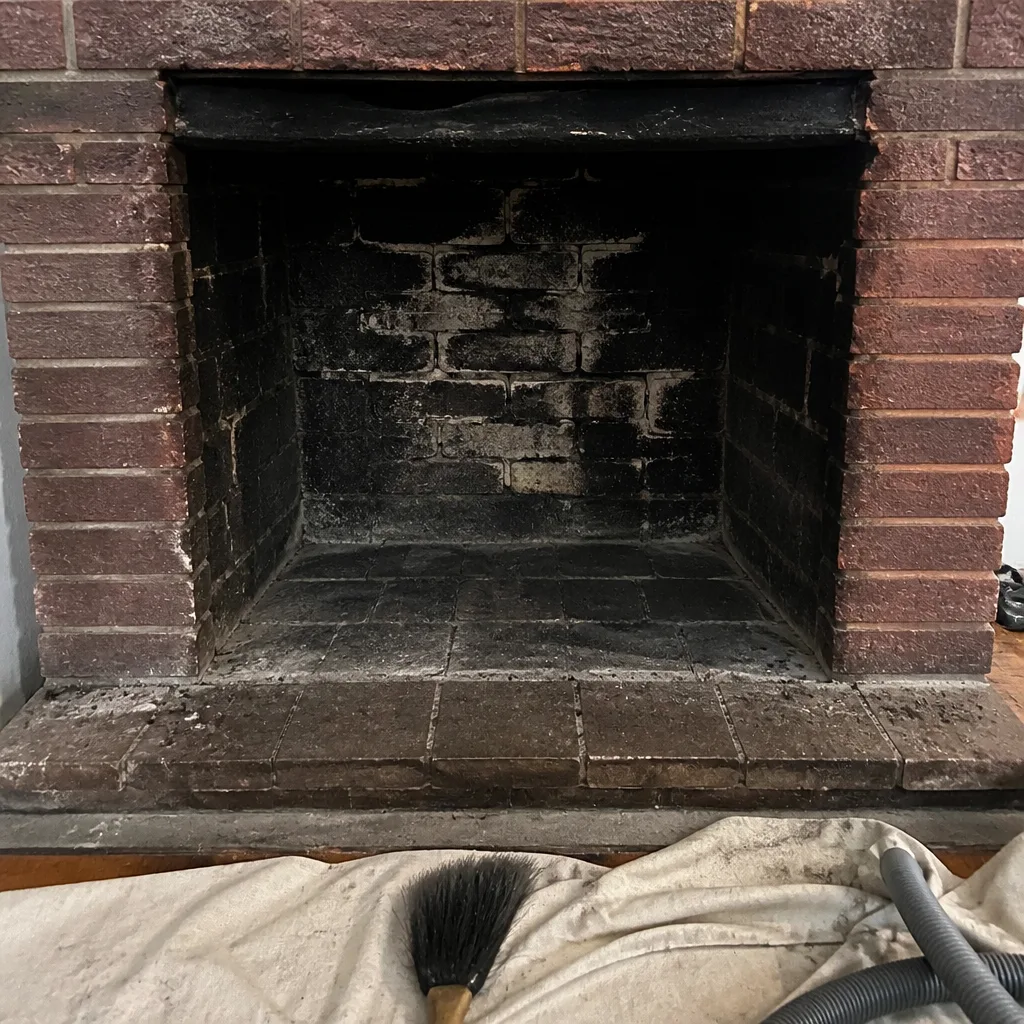 Before
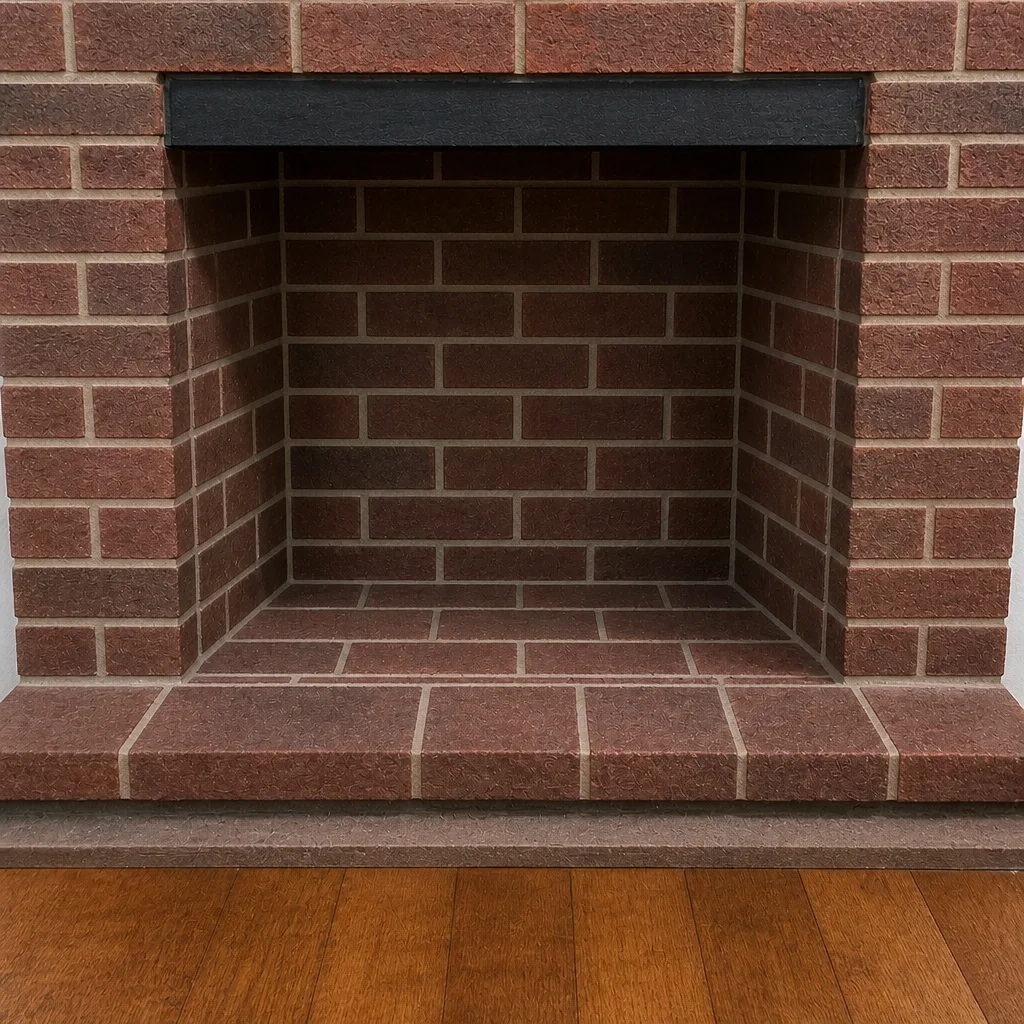 After
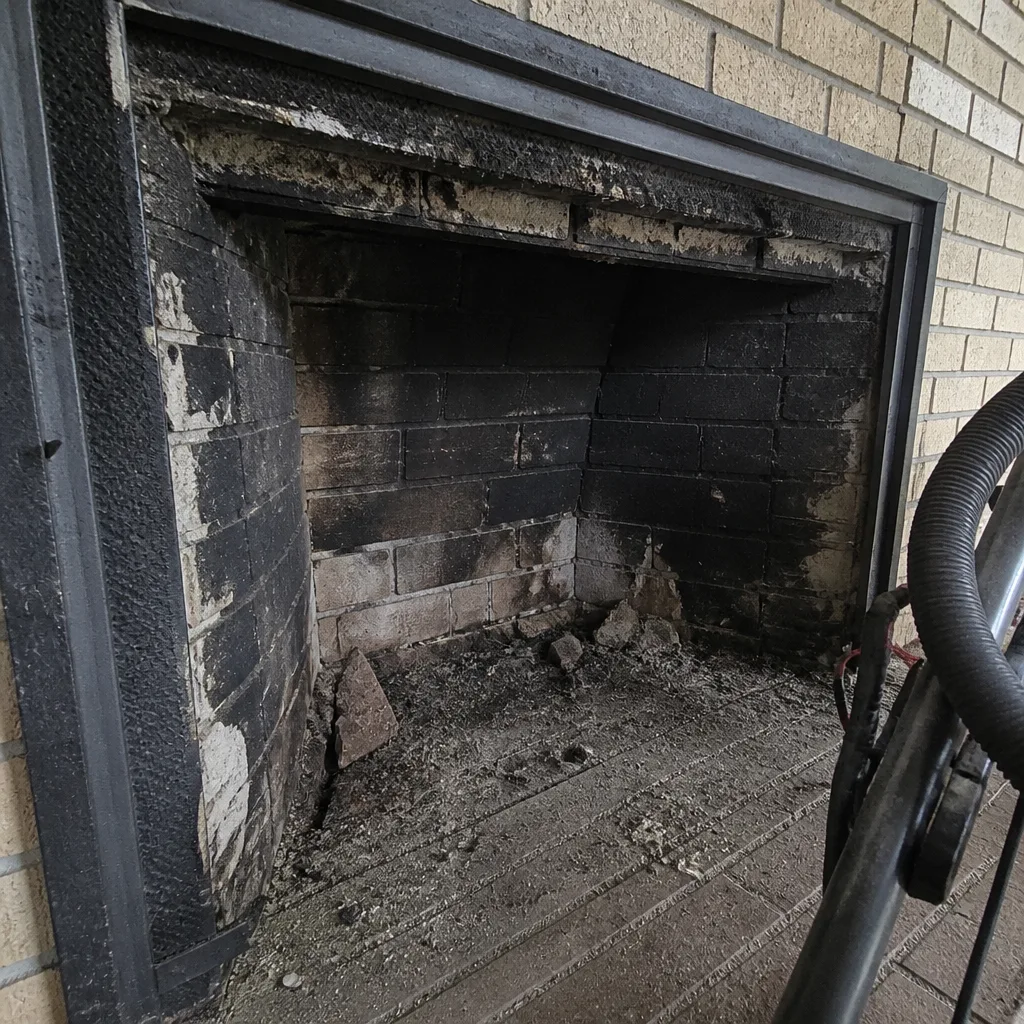 Before
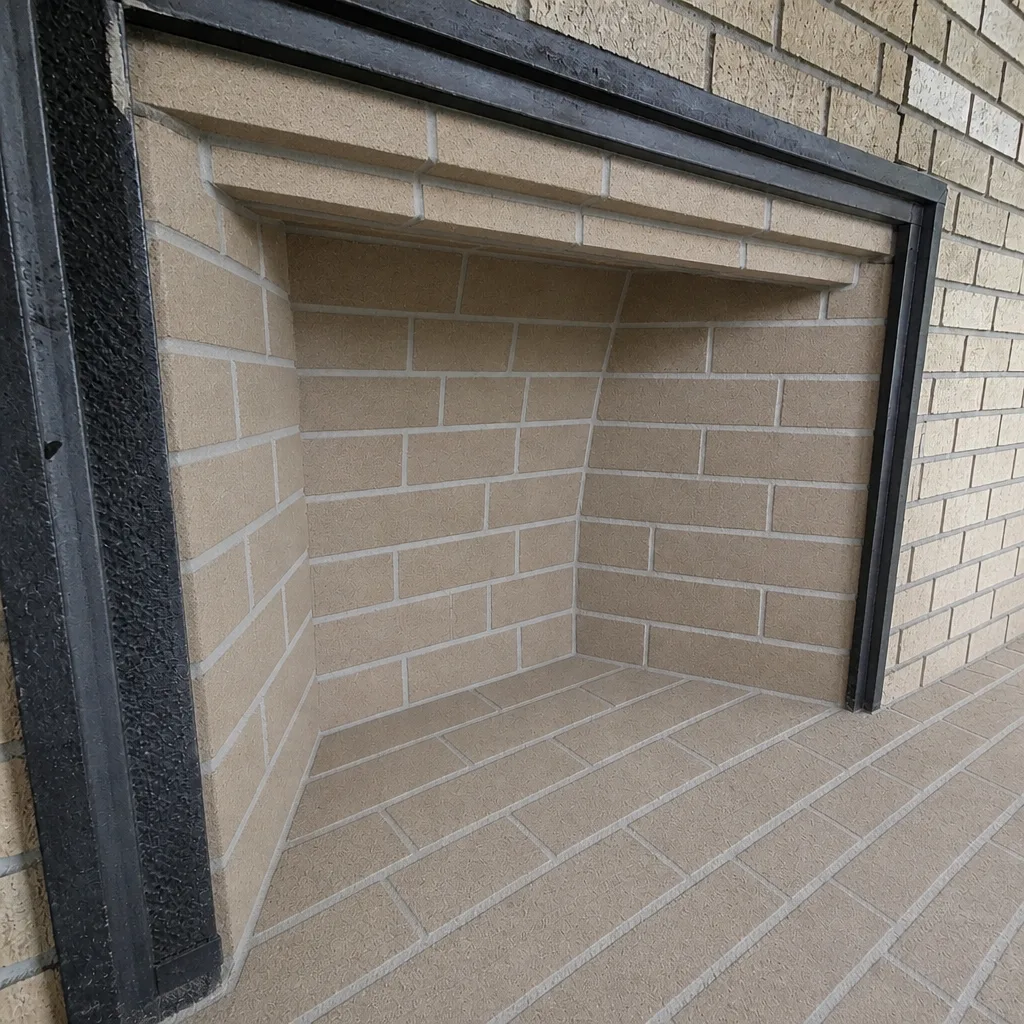 After
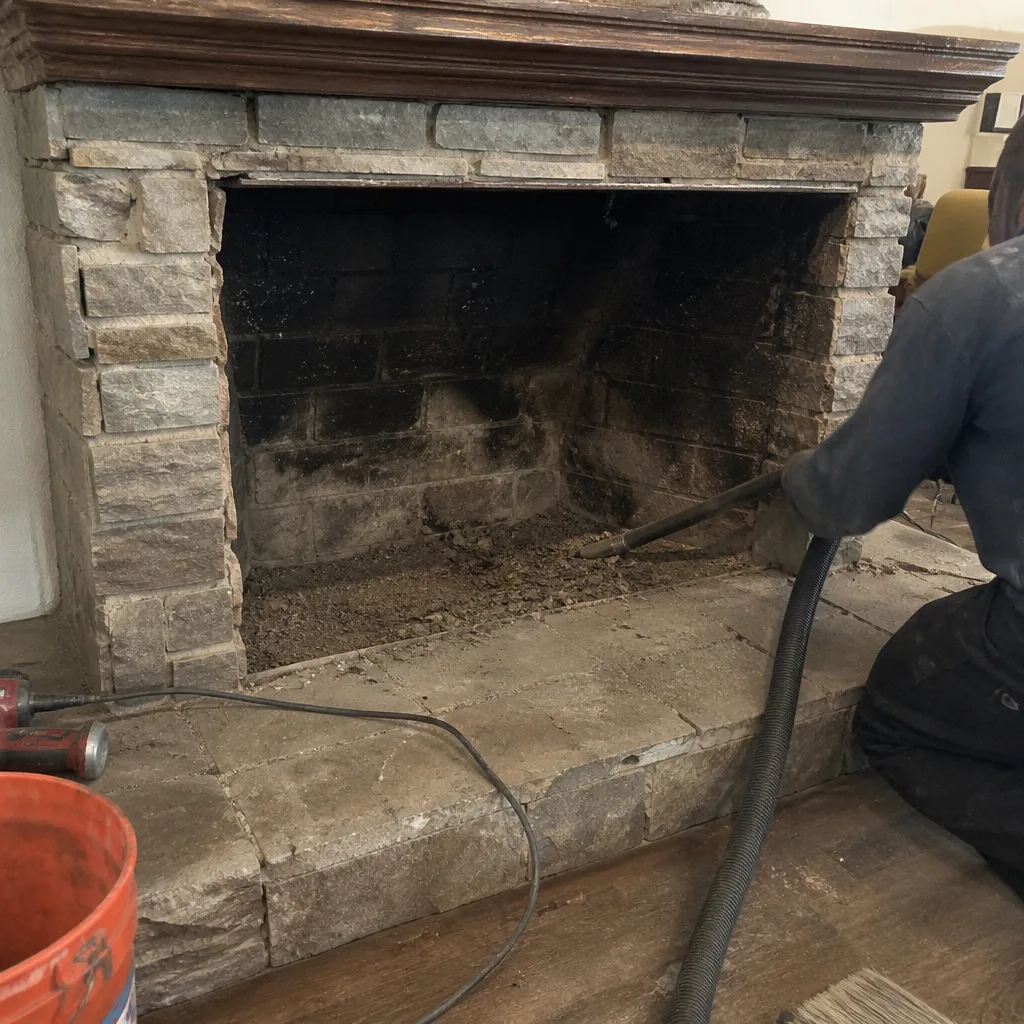 Before
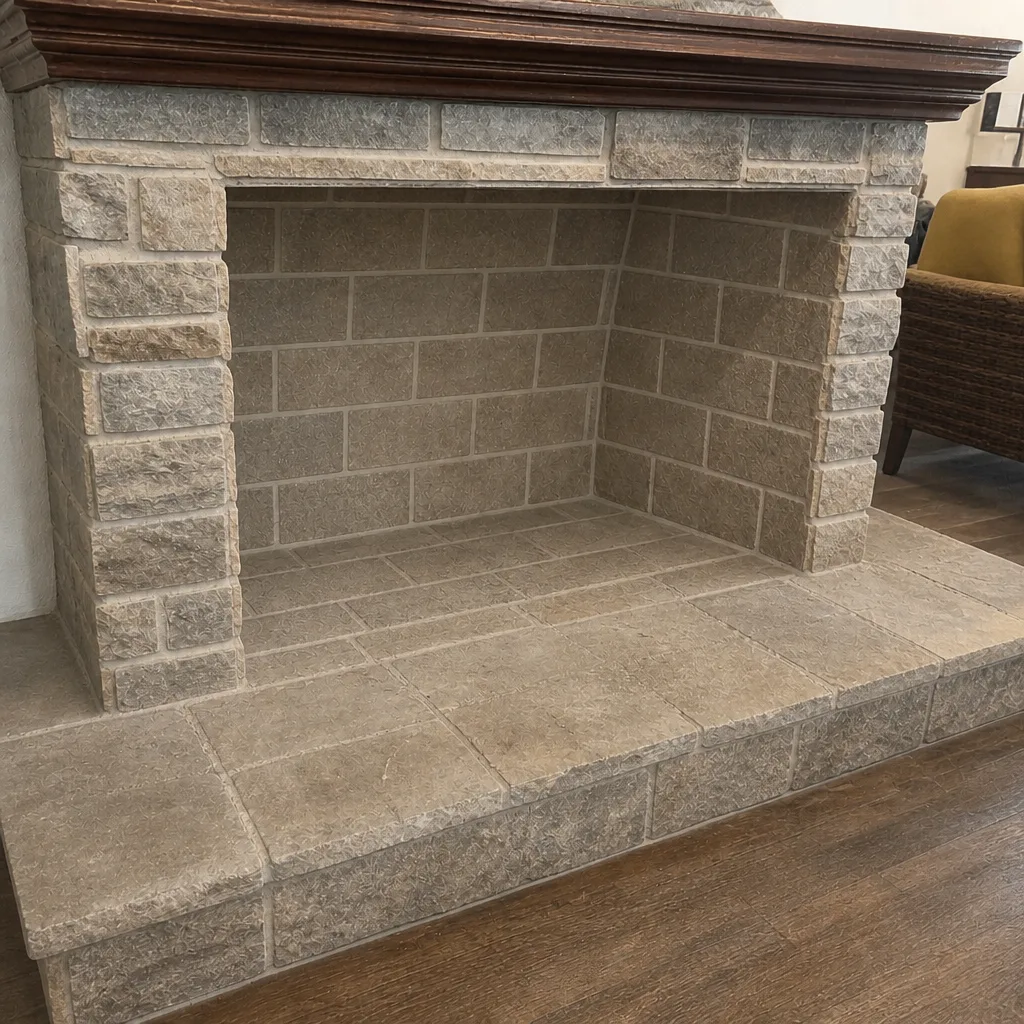 After
When to Call a Professional
There are a few clear scenarios where a chimney call is the right move rather than a wait-and-see. Call if it’s been more than a year since the last sweep, if you’ve noticed a strong creosote smell when the fireplace is off, if smoke rolls back into the room, or if you see cracked masonry or a damaged crown. Call after any chimney fire, even a small one. Call if the damper won’t move. And call before the burning season starts if you’ve just moved into a new home and don’t know the service history.
Chimney Sweep West Valley City offers free estimates in West Valley City. Call (844) 625-7149. We answer 24/7. Fast dispatch from 7am to 7pm, Sunday through Friday. The technician assesses the flue, documents the findings, and gives you a written estimate before any work begins. Our technicians have up to 14 years of experience, and we work with the professional-grade brands the industry relies on. You don’t need to know whether you need a sweep or a repair. You just need an appointment and an honest assessment.
Frequently Asked Questions
A standard chimney sweep in West Valley City typically costs about $150 to $350, and a sweep with a full inspection runs roughly $250 to $500. The written estimate sets the final price. Call (844) 625-7149 for an exact quote, where estimates are free.
A sweep is enough only if the flue was inspected recently and you have no symptoms. If it’s been more than a year or you’ve never had the flue looked at, a Level 1 or Level 2 inspection tells you what the sweep can’t, including cracks, gaps, and liner condition. Call (844) 625-7149 and we’ll tell you which inspection fits your situation.
Most wood-burning chimneys should be swept once a year, and the NFPA 211 standard is the benchmark we inspect against. Heavy users may need more frequent service, and gas appliances follow a different schedule. When in doubt, a scheduled inspection is the honest answer. Call (844) 625-7149 to book one.
Creosote accumulates, water finds its way into small cracks, and a routine sweep becomes a heavier rotary cleaning or a repair. The risk of a chimney fire and carbon monoxide intrusion also rises with heavy buildup. None of this happens overnight, but none of it stays small. Call (844) 625-7149 before the fuel of a missed sweep has time to build.
You should never be told anything you can’t see for yourself. We document findings on camera and show you the footage, and we say plainly when a repair can wait. If you’re unsure, get a second opinion; that’s a healthy instinct. To see the evidence first, call (844) 625-7149.
Yes. Cold winters with repeated freeze-thaw cycles stress exterior masonry and crowns, and the valley’s winter inversions tend to keep households burning more, which builds creosote faster. Annual service is the practical response to both. Call (844) 625-7149 to get on the schedule before burning season.
The Bottom Line
A chimney cleaning isn’t a flat car-wash fee. It’s a system inspection where findings drive the final number, and the written estimate is the price you actually pay. In West Valley City, a standard sweep usually lands in the $150 to $350 range, with a sweep-plus-inspection set at roughly $250 to $500. Creosote level, flue type, and flue height are the variables that move those numbers. The cheapest way to stay ahead of the cost is annual service that catches problems while they’re small. The most expensive way is waiting until a sweep becomes a rotary cleaning or a masonry repair. If you want the flue assessed, documented, and priced in writing, call (844) 625-7149. We answer 24/7, with fast dispatch from 7am to 7pm, Sunday through Friday. You’ll get a free estimate and a clear explanation of what your chimney needs, which is the whole point of a cost breakdown. For more on what’s included in a standard service, see Chimney Sweep West Valley City.
Written by the team at Chimney Sweep West Valley City.